LIFESTYLE
Excessive bleeding even when you're not having your period? Women with these conditions experience serious symptoms
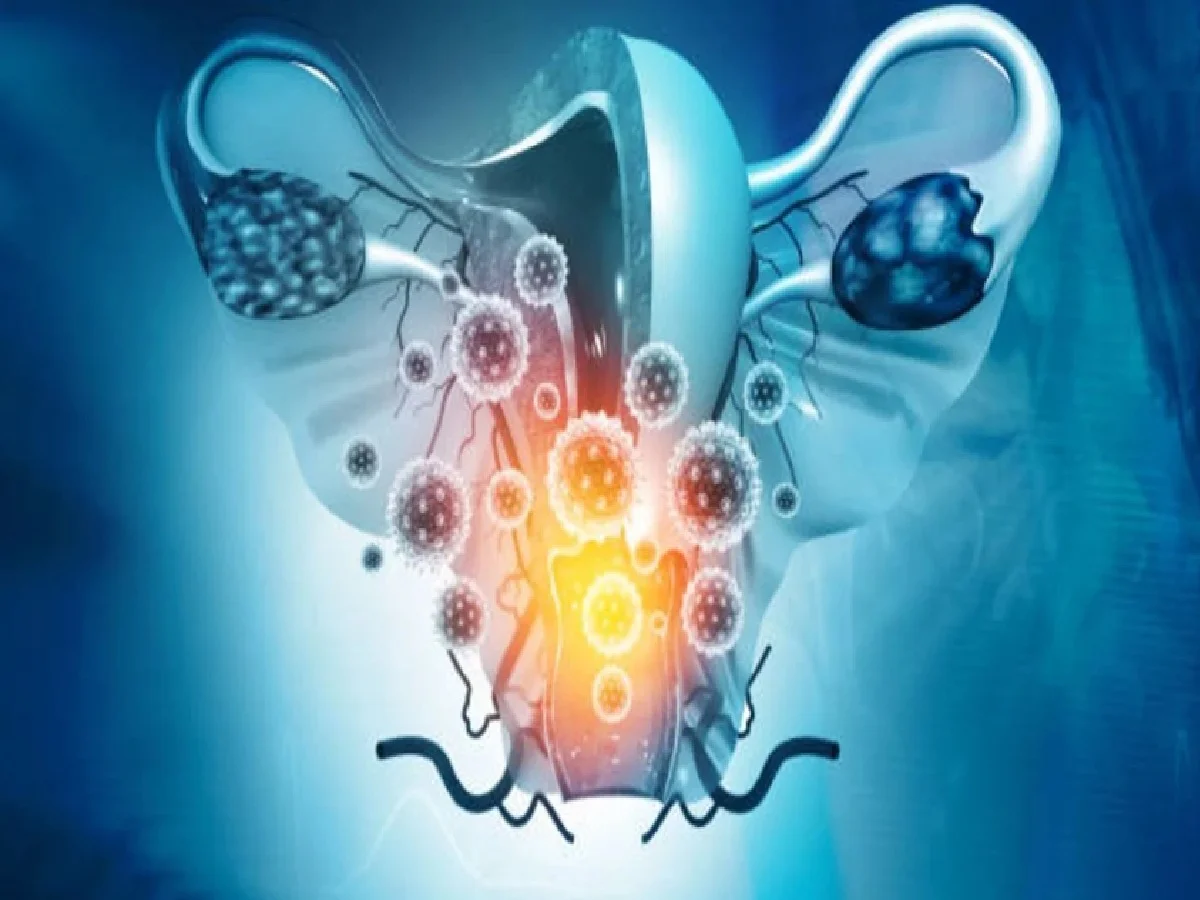
It's crucial for all women to take care of their health. Family responsibilities, increased work stress, childcare, and physical and mental stress can often lead to women neglecting their health. As we age, the body needs rest, but household chores don't allow for rest. Otherwise, it's crucial to take care of the body. All women experience bleeding during their periods, but sometimes, bleeding outside of their periods is overlooked. However, these symptoms should never be ignored. Repeatedly ignoring serious symptoms can be fatal. After the age of 40, the body can become infected with any disease.
As we age, it's crucial to get accurate blood tests done periodically. Women often neglect their health. This can lead to serious illnesses, and if not treated promptly, it can even lead to death. Today, we'll tell you about other causes of excessive bleeding beyond periods. Let's explore them in detail. Excessive bleeding can lead to iron deficiency and extreme fatigue. The fatigue that results from anemia doesn't subside quickly. Therefore, it's crucial to take care of your body.
What is abnormal bleeding?
Bleeding between periods, excessive bleeding after sex, heavy bleeding during periods, or bleeding after menopause are considered abnormal bleeding. Sometimes, more or less bleeding occurs during pregnancy. However, this discharge can sometimes be light spotting and sometimes more severe. Therefore, if you experience frequent bleeding, you should get a checkup done promptly and take care of your body.
How hormonal changes affect periods:
With age, the menstrual cycle undergoes many changes. These changes are sometimes minor and sometimes very serious. The hormones estrogen and progesterone in the body control periods. Hormonal imbalances affect the lining of the uterus, leading to bleeding. Due to hormonal imbalances, there is a greater chance of intermittent bleeding. Excessive use of contraceptive pills can have serious effects on women's health.
Fibroids, which are non-cancerous growths that form in the uterus, are more likely to cause excessive bleeding when they grow. This can cause abdominal pain and bleeding. Polyps are small growths in the uterus or cervix. These growths can sometimes cause bleeding. Polycystic ovary syndrome is a hormonal problem that causes several changes in the menstrual cycle. As a result, there is a higher risk of health problems.
PC: Navarashtra