India's small-car market could be heading for a major change as more manufacturers prepare to introduce affordable hybrid technology. Over the next 18–24 months, brands such as Maruti Suzuki, Hyundai, Toyota and Renault are expected to explore smaller hybrid models, including cars and SUVs measuring under four metres.
For buyers who want better fuel efficiency without worrying about charging infrastructure or long-distance range, these upcoming hybrids could offer an interesting middle ground between traditional petrol cars and fully electric vehicles.
Maruti Suzuki Could Bring Hybrid Technology to Small Cars
Maruti Suzuki is reportedly developing a more affordable hybrid system that could eventually be used across its smaller models.
Cars such as the Fronx, Baleno, Swift and Brezza could potentially receive hybrid powertrains. The first Maruti model equipped with this technology could arrive as early as 2027.
If the technology is introduced at a competitive price, it could make hybrid cars accessible to a much wider section of Indian buyers.
Hyundai Is Also Working on a Small Hybrid
Hyundai is reportedly developing a compact hybrid model specifically with the Indian market in mind.
The model is expected to arrive around the middle of 2027. While detailed specifications and the exact model name are yet to be confirmed, the focus is expected to be on combining compact dimensions with improved fuel efficiency.
If launched at an attractive price, Hyundai could directly compete with other upcoming small hybrid offerings.
Toyota Could Electrify the Urban Cruiser Taisor
Toyota is also expected to expand its hybrid line-up into the smaller SUV segment.
A hybrid version of the Urban Cruiser Taisor is reportedly under consideration and could arrive after the introduction of the hybrid version of the Maruti Fronx.
Considering the close relationship between Maruti Suzuki and Toyota in India, the two brands could potentially offer related hybrid technology in different models.
Renault Could Join the Race
Renault is another manufacturer reportedly preparing a compact hybrid SUV for the Indian market.
The company is believed to be working on a new sub-4-metre urban SUV, which has been linked to the Bridger concept. The upcoming model is expected to use hybrid technology and could make its debut by the end of 2027.
If that happens, Renault would enter an increasingly competitive small-SUV market where fuel efficiency and affordable ownership are becoming major selling points.
Why Are Hybrid Cars Still Expensive?
Hybrid cars currently available in India are generally positioned at the premium end of the market. Models from manufacturers such as Maruti Suzuki, Honda, Kia and Toyota can cost significantly more than their conventional petrol counterparts.
Another factor is vehicle length. Many existing strong-hybrid models are longer than four metres, placing them in a different tax category.
Smaller hybrid cars could potentially change the equation. The revised GST structure introduced in September 2025 has reduced the GST rate applicable to certain small hybrid cars to 18%, improving the possibility of more affordable hybrid models.
Why Hybrid Cars Could Appeal to Indian Buyers
The biggest advantage of a hybrid powertrain is that it combines an internal-combustion engine with electric assistance.
Unlike a fully electric car, a hybrid doesn't depend entirely on charging infrastructure. The petrol engine can continue to provide power when the battery needs to be recharged, making long-distance travel easier for buyers who don't have convenient access to charging facilities.
At the same time, the electric motor can help reduce fuel consumption, particularly in stop-and-go city traffic.
This combination could make hybrids an attractive option for buyers who want improved efficiency but aren't yet ready to switch completely to an EV.
CAFE Regulations Could Accelerate Hybrid Adoption
Another factor driving interest in hybrid technology is India's Corporate Average Fuel Efficiency (CAFE) regulations.
The third phase of the CAFE regulations is scheduled to come into effect from April 1, 2027. Automakers will need to improve the overall fuel efficiency of their vehicle fleets, increasing the importance of technologies that can reduce fuel consumption and emissions.
As manufacturers work towards these targets, hybrid powertrains could become an increasingly important part of their future product strategies.
The Next Big Battle Could Be Between Petrol, Hybrid and EVs
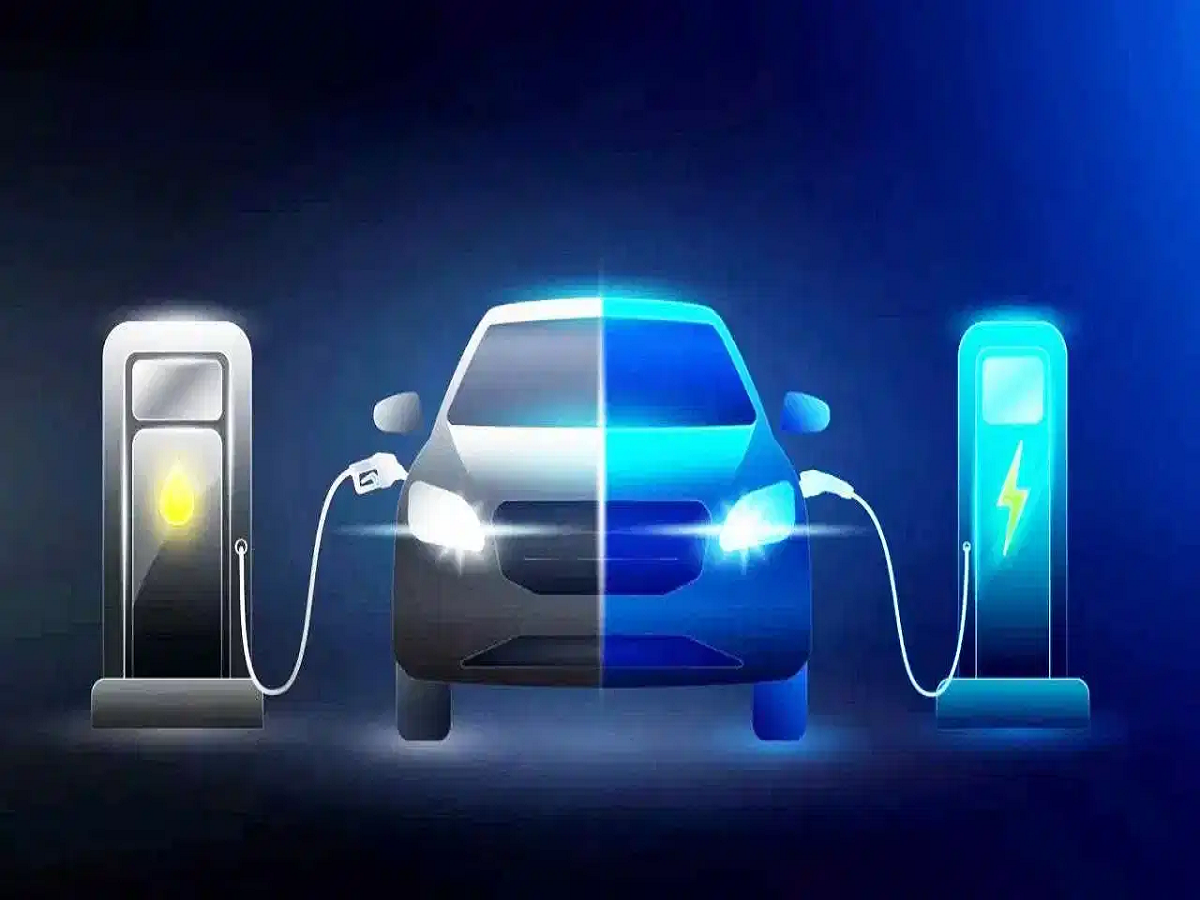
India's small-car market could soon offer buyers more choices than ever before. Petrol cars remain familiar and convenient, EVs offer zero tailpipe emissions and potentially low running costs, while hybrids aim to combine the strengths of electric and petrol power.
If manufacturers manage to bring hybrid technology to smaller cars without a major price premium, the next few years could see hybrids become a much more common sight on Indian roads.