The small plastic SIM card that has been a part of mobile phones for decades is gradually becoming less important. New smartphones, including several premium models, now support eSIM technology, allowing users to activate a mobile connection without inserting a physical SIM card.
But what exactly is an eSIM, how does it work and is it actually better than a traditional SIM card?
What is an eSIM?
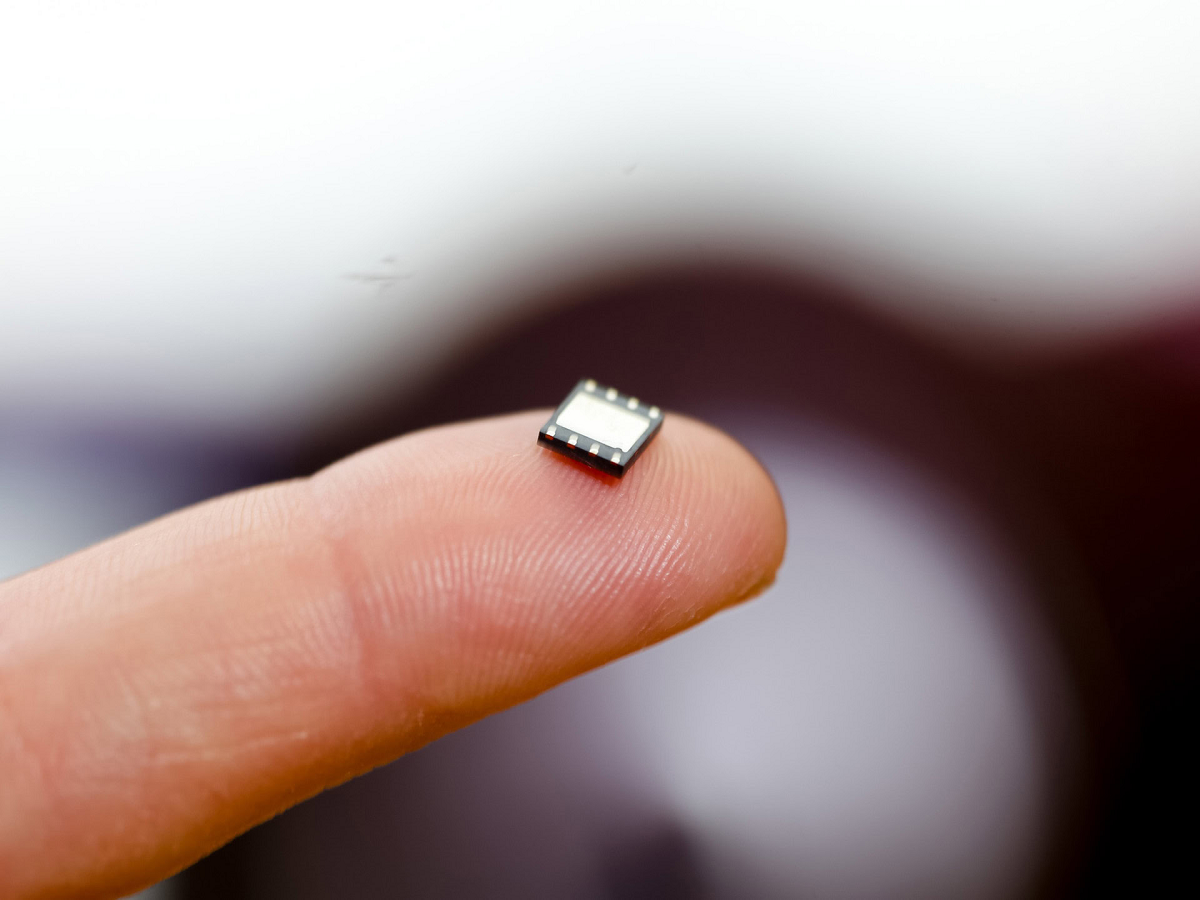
eSIM stands for embedded Subscriber Identity Module.
Unlike a traditional SIM card, an eSIM is built directly into the smartphone. There is no physical card that needs to be inserted or removed.
The mobile operator's network profile is downloaded digitally onto the device. Once activated, the eSIM works much like a conventional SIM for calls, SMS and mobile data.
How do you activate an eSIM?
The activation process depends on your telecom operator and smartphone.
Generally, the operator provides an eSIM activation process, which may involve scanning a QR code or following instructions through the operator's app or website.
Once the profile is downloaded and activated, the phone connects to the mobile network without requiring a physical SIM card.
eSIM vs physical SIM: What is the difference?
The biggest difference is physical.
A conventional SIM can be removed from one phone and inserted into another compatible device.
An eSIM, on the other hand, is digitally programmed into the device and needs to be transferred or reactivated when you change phones.
Both technologies can provide the same basic mobile services once connected to the network.
Advantage 1: No tiny SIM card to handle
One obvious benefit of an eSIM is convenience.
There is no tiny plastic card that can be lost, damaged or accidentally inserted incorrectly.
This can be particularly useful for people who frequently change devices or travel internationally.
Advantage 2: Useful for international travel
eSIM technology can make international travel more convenient.
On compatible phones, travellers can purchase an eSIM plan from a supported provider and activate it without physically replacing their existing SIM.
Some smartphones also allow multiple cellular plans to be stored on the device, although the number of active lines and available features depends on the phone.
This means you may be able to keep your primary number while using another plan for mobile data when travelling.
Advantage 3: More flexibility with multiple numbers
Many modern smartphones support dual-SIM functionality using a combination of physical SIM and eSIM, or multiple eSIM profiles depending on the model.
This can be useful if you want to maintain separate personal and work numbers.
Instead of carrying two physical SIM cards, you may be able to manage both connections directly through the phone.
Is eSIM more secure?
An eSIM cannot simply be physically removed from a stolen phone.
With a traditional SIM, someone who has physical access to the device can remove the SIM card and potentially place it in another phone.
An eSIM does not work that way because the cellular profile is embedded in the device.
However, eSIM technology does not make a smartphone completely theft-proof. Your device account, screen lock and mobile operator's security measures remain important.
What happens if you lose your phone?
If your phone is lost or stolen, you should immediately contact your mobile operator and follow its process for suspending or transferring the number.
You should also use your phone's built-in device-finding and remote-lock features.
Having an eSIM does not eliminate the need to secure your mobile account after losing a phone.
Is eSIM available in India?
Yes. Major Indian telecom operators support eSIM on compatible devices.
However, availability depends on the operator, smartphone model and applicable plan or activation process.
Before switching, check your telecom provider's current eSIM activation requirements.
Can every phone use an eSIM?
No.
The smartphone must contain the required eSIM hardware and software support.
Many newer premium smartphones support eSIM, but compatibility varies significantly between models and regions.
Some phones sold in particular markets may have different SIM configurations from the same model sold elsewhere.
What happens when you change phones?
This is one area where physical SIM cards can feel simpler.
With a physical SIM, you can often remove the card from your old phone and insert it into the new one.
With eSIM, you generally need to transfer or reactivate the cellular plan on the new device according to your operator's procedure.
The exact process varies between telecom operators and smartphone manufacturers.
Should you switch to eSIM?
There is no universal answer.
eSIM can be particularly convenient if you:
-
Travel internationally
-
Use two mobile numbers
-
Frequently switch between cellular plans
-
Prefer not to handle physical SIM cards
-
Have a compatible smartphone
A physical SIM may still be more convenient if you frequently move your number between different phones or use older devices that do not support eSIM.
The future of SIM cards is becoming digital
The shift from physical SIM cards to eSIM is part of a broader move toward digital connectivity.
As smartphones become thinner and manufacturers look for ways to save internal space, embedded connectivity can become increasingly attractive.
For consumers, the most important thing is not whether one technology is universally better, but whether eSIM fits the way they use their phone.
If your smartphone and telecom operator support it, eSIM can offer a convenient way to manage mobile connectivity without ever inserting a physical SIM card.