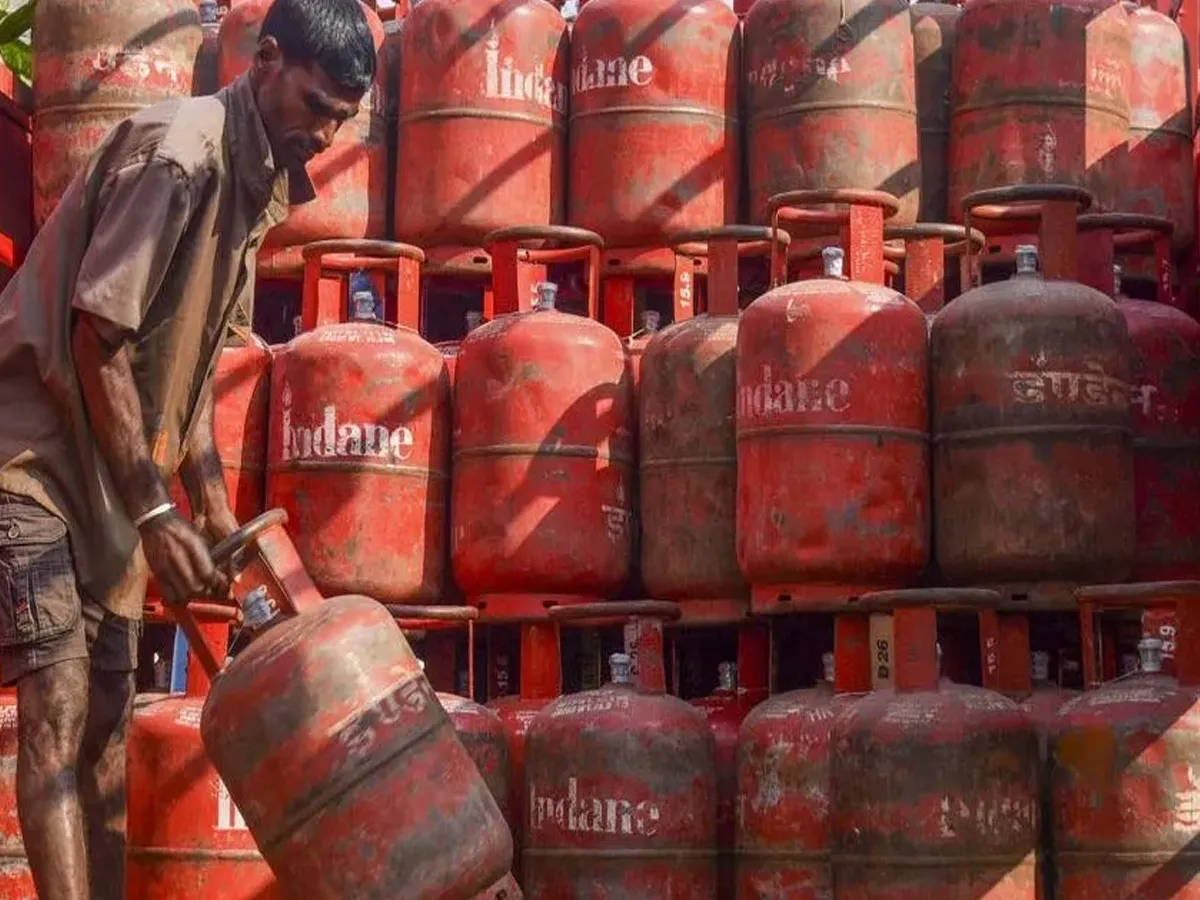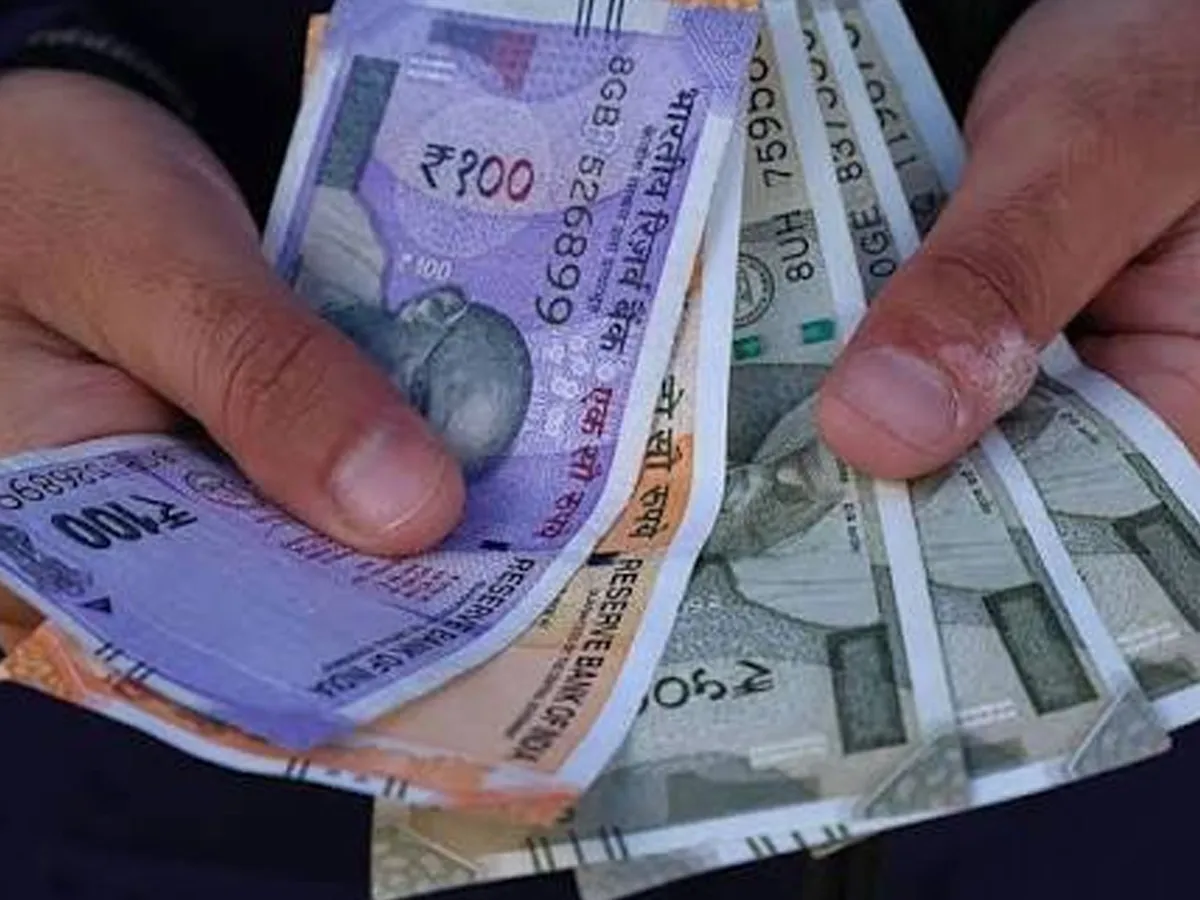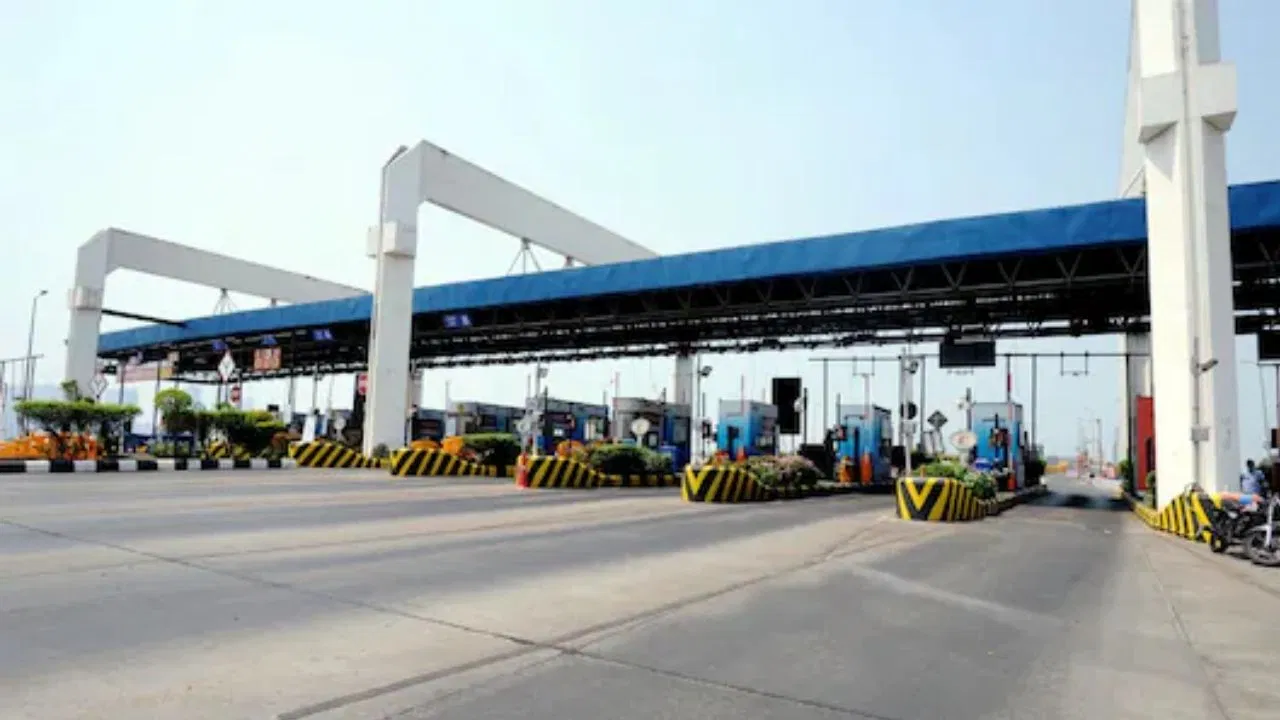
Many people believe that big infrastructure projects like highways, toll plazas, power lines, and gas pipelines only benefit the government or large companies. Earlier, it was almost impossible for a common investor to earn from toll collection or infrastructure assets. But today, this has changed. With just ₹100, you can invest in infrastructure projects and earn regular income—without leaving your home. This opportunity is available through a financial instrument called InvITs (Infrastructure Investment Trusts).
What are InvITs and how do they work?
An InvIT works in a way similar to a mutual fund, but instead of investing in company shares, it invests directly in infrastructure assets. These include highways, toll roads, power transmission lines, gas pipelines, and other operational infrastructure projects.
The trust collects money from investors and invests it in these assets. The income generated—such as toll fees or transmission charges—is received by the trust. As per SEBI rules, InvITs must distribute at least 90 percent of their earnings to investors in the form of dividends or interest. This is why InvITs are known for providing regular income.
Start investing with as little as ₹100
Many InvITs are listed on stock exchanges like NSE and BSE. Their units trade just like shares, and some are available for less than ₹100 per unit. To invest, you only need a demat and trading account, which can be easily opened through platforms like Zerodha, Groww, or Upstox.
Once your account is active, you can search for listed InvITs and buy at least one unit. By doing so, you become a unit holder and start earning a share of the income generated by the infrastructure assets. Popular InvIT options in India include IRB InvIT, IndiGrid InvIT, PowerGrid InvIT, and National Highways Infra Trust (NHIT).
How do investors earn money from InvITs?
The biggest advantage of InvITs is steady income. Since most infrastructure assets under InvITs are already operational, they generate predictable cash flow. This makes InvITs relatively more stable compared to equity stocks. They also offer some protection against inflation, as toll charges and infrastructure fees generally increase over time.
What risks should you be aware of?
Like any investment, InvITs are not completely risk-free. Their prices can be affected by changes in interest rates—when rates rise, InvIT unit prices may fall. If traffic on a toll road decreases or revenue projections are not met, earnings may be impacted. Since InvITs are traded on stock exchanges, market fluctuations can also affect their value.