BIZARRE
Dr. Sarvapalli Radhakrishnan: Why did Dr. Radhakrishnan oppose Christian missionaries even after studying in a Christian school?
Dr Sarvapalli Radhakrishnan: Every year on 5th September, Dr. Radhakrishnan's birthday is celebrated as Teacher's Day. That Dr. Radhakrishnan who studied in a missionary school. Got a degree from Christian College, Madras. Memorized the Bible and also got a scholarship, but opposed Christian missionaries. Know why.
Dr Sarvapalli Radhakrishnan: Dr. S. Radhakrishnan has the distinction of having strongly proven the concept of Western thinkers that Indian civilization and culture is dead. During his job in Calcutta, he realized that the aim of life should not be mere sustenance. Till that time, Indian philosophy was not taught as a subject in any educational institution. He considered it futile that the wealth of Indian thought was limited to only books.
He said that when Indians themselves are unaware of their great thoughts and traditions, then how will the rest of the world know about them? Due to this lack of information, Western thinkers considered Indian civilization dead and limited to rituals. A positive counter to their delusion and false notion was necessary.
For the next six years, Radhakrishnan studied the nuances of Indian philosophy in depth. In 1923, the first volume of his research was published under the name "Indian Philosophy". The second volume was published in 1927. Radhakrishnan said that the Indian tradition of thought is a complete system of thought that guides the entire human race. If the world adopts it, then the solution to every problem of mankind and freedom from bloodshed is possible.
Opposition to the thinking of Christian missionaries
Radhakrishnan received his early education at the Lutheran Missionary School in Tirupati. After this, he studied at Belur and then at Christian College in Madras. Meanwhile, he memorized the Bible. Due to this, he also received a scholarship at the missionary school. These educational institutions left their mark on him. But he felt that those people looked down upon Hinduism and its thoughts and traditions.
Radhakrishnan took this as a challenge and deeply studied Hindu scriptures, mythological texts, Upanishads etc. He found Indian civilization and culture to be very rich and conscious. This is a culture which is based on the high ideals of religion, great traditions and lofty human values and teaches every living being to make good use of life by walking on the path of truth.
Dr. Sarvepalli Radhakrishnan Photo: Getty Images
Speeches on Hindu way of life fascinated the western world
Despite his extraordinary abilities, Radhakrishnan had to struggle to get a job in his early years. The excellence of his teaching in the colleges of Madras, Bangalore and Calcutta impressed not only the students but also the teachers and other learned people. 1926 was the year when his fame spread abroad. He got the opportunity to deliver four speeches on the Hindu way of life in a conference held at Oxford University of the countries under the British Empire. The audience was mesmerized by each of his speeches.
In these speeches, Radhakrishnan said that Hinduism believes in the principle of karma. This religion tells that one will get results according to one's karma. As a result, man avoids bad deeds. Hinduism considers the world as Maya, that is, it gives the message of mortality. It says that the soul is immortal and Vedanta says that the soul is a part of God.
Dividing life into four ashrams, he determined the way of life. He determined the intertwined roles of men and women in such a way that both of them feel proud while working. These speeches gave Radhakrishnan immense popularity. Mr. Jaken, the principal of Manchester College, even started calling himself a Hindu. Gordon Selfridge, a British businessman, started putting these ideas into practice.
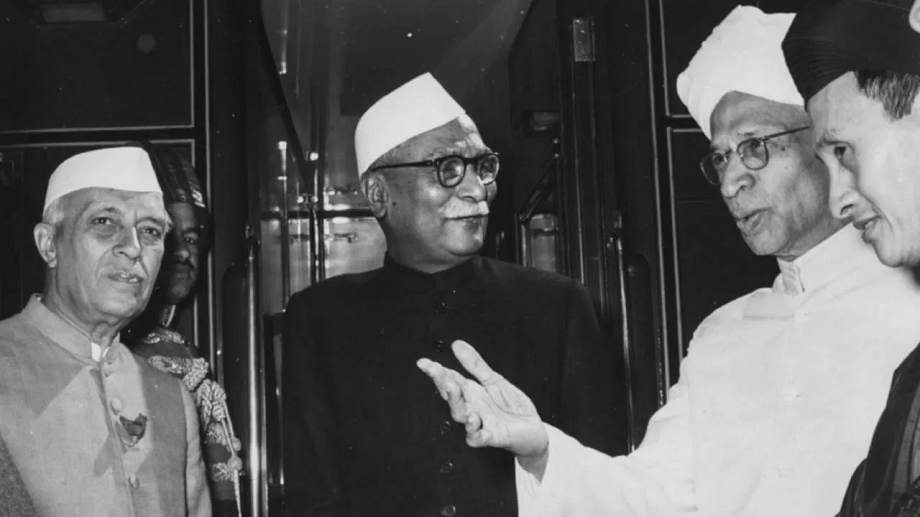
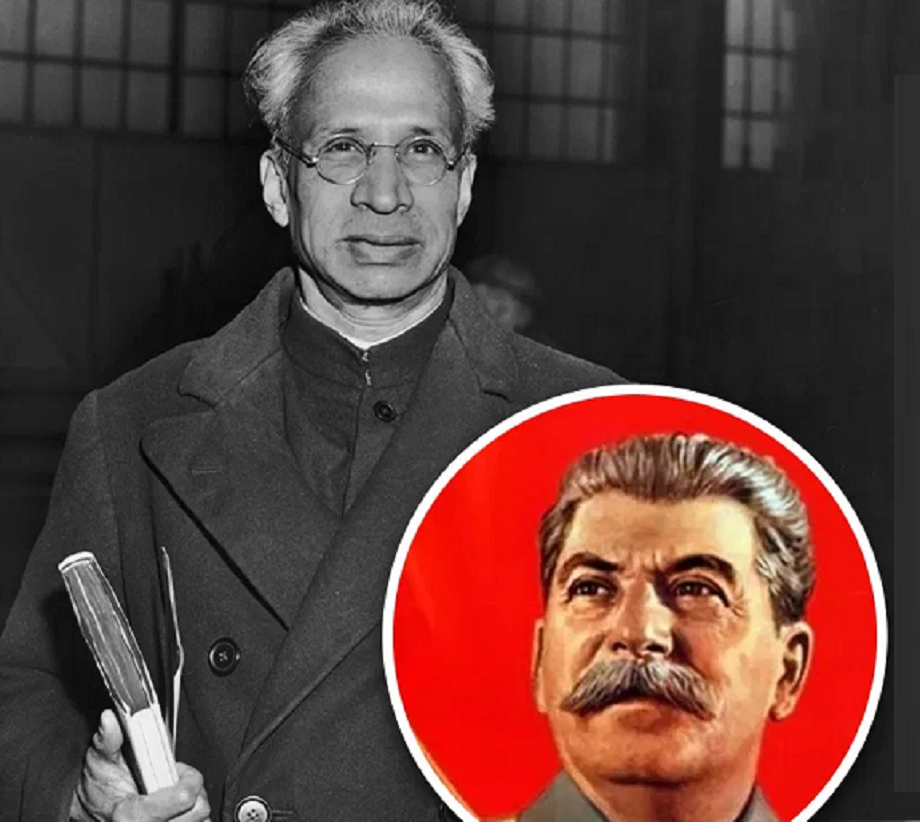
Impressed by the capabilities of Dr. Sarvepalli Radhakrishnan, Pandit Nehru appointed him as ambassador to the Soviet Union. Photo: Getty Images
Stalin became a fan
After the London trip, Radhakrishnan's fame grew. His presence, teaching and lectures in universities not only in India but also in other countries were considered a big achievement. A major turning point in the life of a teacher and philosopher came while he was the Vice Chancellor of Banaras Hindu University, when he came in contact with Pandit Nehru. Impressed by his talent, Nehru included him in the Constituent Assembly. Then he was appointed ambassador to the Soviet Union.
Nehru was confident that Radhakrishnan was the right person to change Stalin's thinking about India and initiate relations between the two countries. Radhakrishnan was reluctant to take up this responsibility. But he put a condition that along with the ambassadorship, he would continue his professorship of comparative religion at Oxford. His condition was accepted.
Radhakrishnan's tenure as ambassador to the Soviet Union was excellent. He charmed Stalin with his talent and communication style. He succeeded in removing all the misconceptions and misconceptions of Stalin about India. In fact, the foundation that he laid for India-Soviet Union relations played a major role in the closeness and mutual trust between the two countries in the coming days.
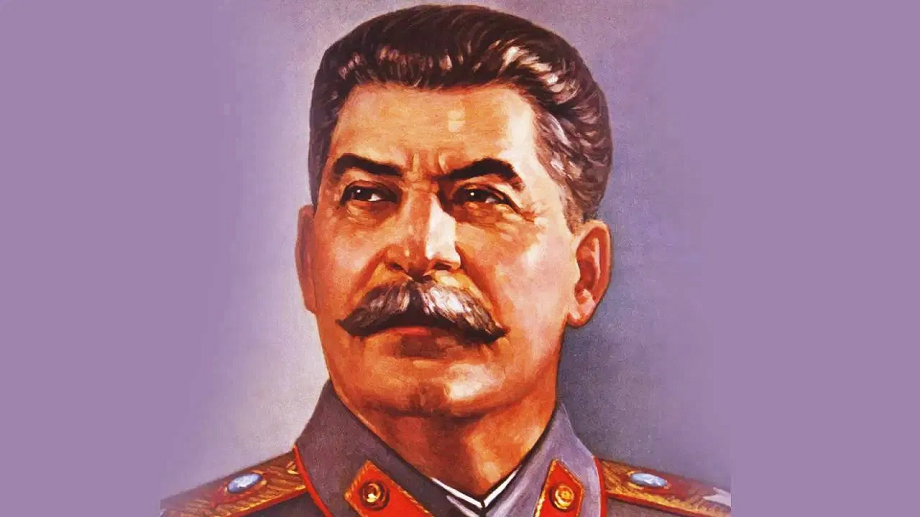
Soviet Union politician Joseph Stalin.
Successful in every role
His life journey, which began as a teacher, went through various stages. In 1952, he was elected unopposed as Vice President. He reluctantly accepted a second term as Vice President. In 1962, he assumed the presidency. Not just India, but other countries were also surprised and excited at the appointment to the highest office of a person who was not a product of politics and who had the reputation of being an excellent teacher and philosopher.
Whatever post Radhakrishnan held, his loyalty in discharging the responsibilities of that post was unquestionable. His wisdom and dignity increased the respect of those posts. During his visits to various countries as President, India's prestige increased and new dimensions were added to relations.
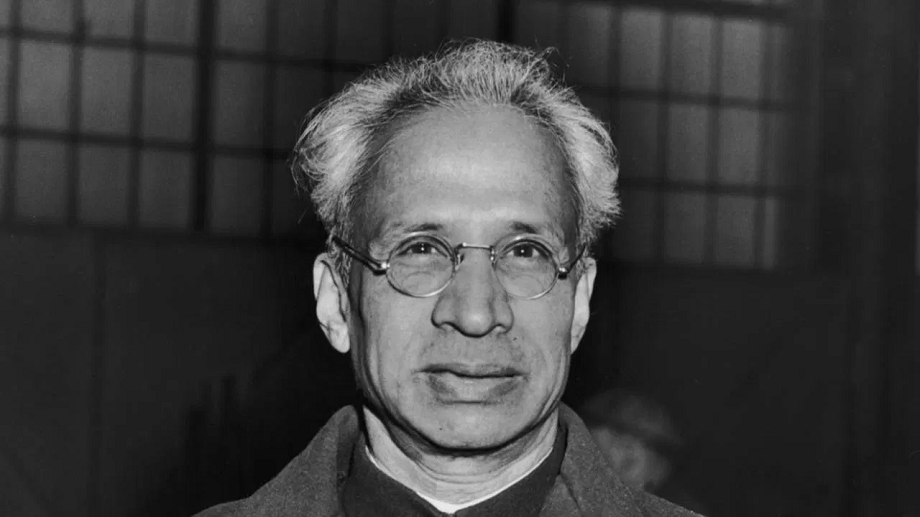
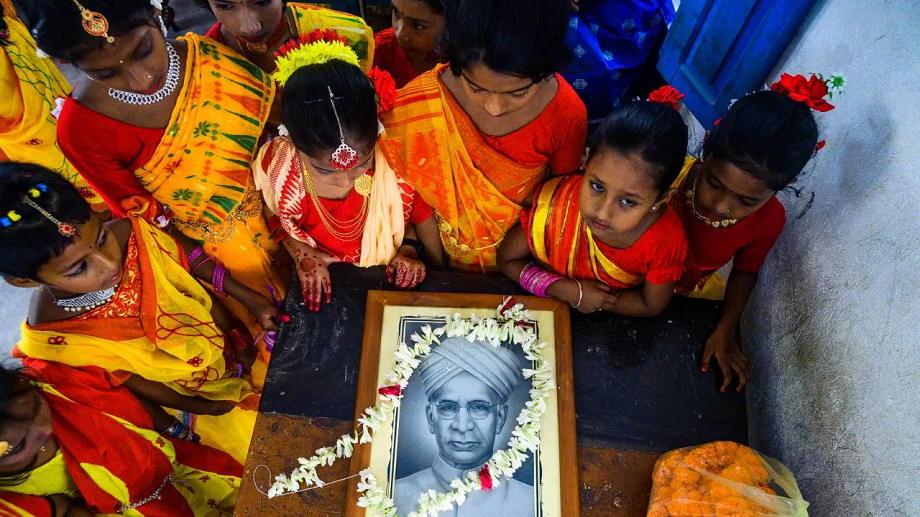
Dr. Sarvapalli Radhakrishnan's birthday (5 September) is celebrated as Teachers' Day. Photo: Getty Images
Recognition as a teacher is most dear
Whatever post Dr. Radhakrishnan held, he loved his identity as a teacher very much. From 1962, the tradition of celebrating his birthday, 5 September, as Teachers' Day was started. This was the first year of his tenure as President.
He said that as a teacher throughout his life, he welcomed good ideas and taught the same to the students. Therefore, he wished that he should be remembered as a teacher only. He wanted that teachers who educate and inspire the society should be honored on this occasion. This will inspire teachers to spread education with more energy and enthusiasm, which will benefit the country and society.
His term as President ended in 1967. He died on 17 April 1975. But the education world and people associated with it never forget his birthday, 5 September. The tradition of Teachers' Day, which began in 1962, is unbroken. He had no connection with voting or party politics. There was no politician in his family to carry forward his legacy. Still, the country remembers him even today, from this one can easily understand his contribution and the respect that the countrymen have for him.
PC:TV9Bharatvarsh