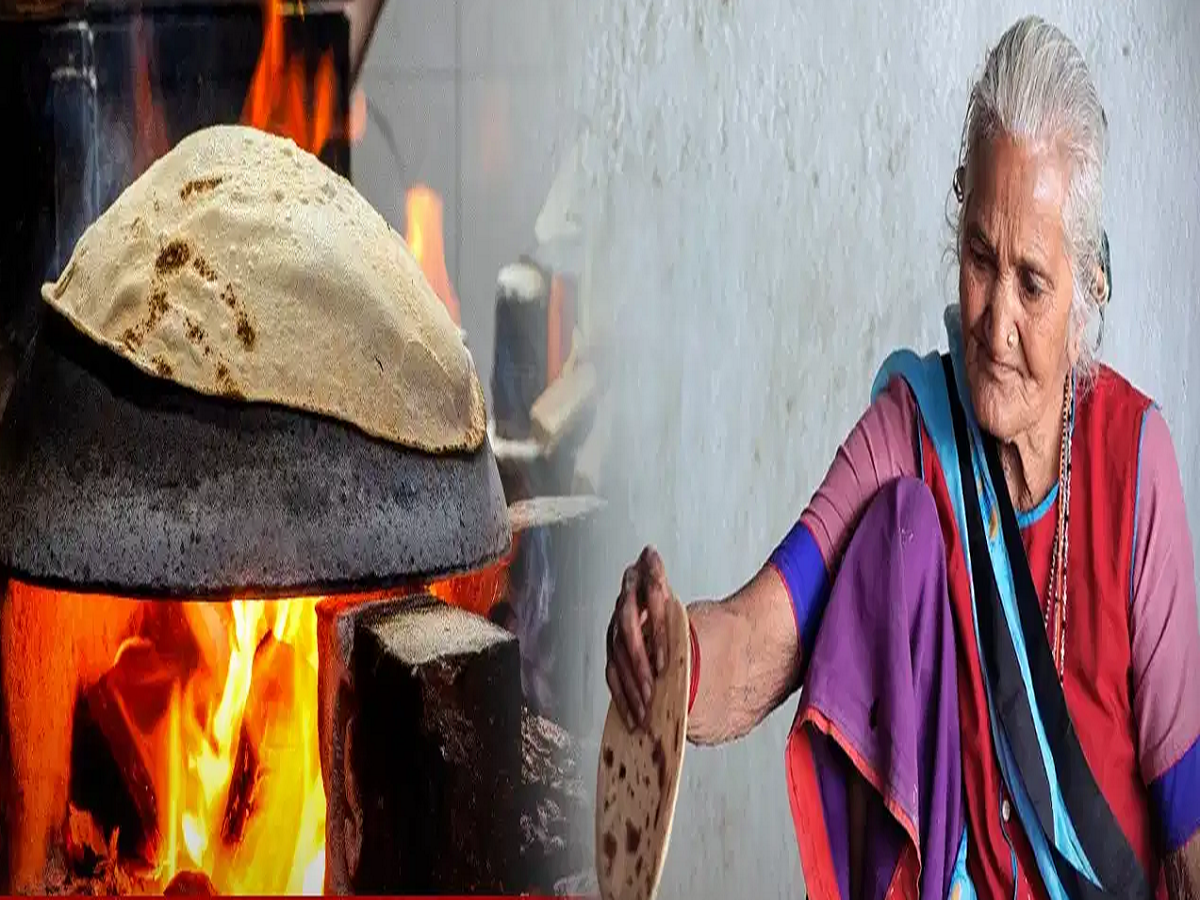
Roti and bread are staples in many Indian households, featuring regularly in breakfast, lunch and dinner. However, when these foods are cooked for too long, they can develop dark brown or black patches. While a slightly roasted roti may add flavour, regularly eating heavily burnt food is not considered a healthy habit.
But why does roti or bread turn black when overcooked? Can consuming burnt food increase the risk of cancer? Understanding the science behind the cooking process can help you make safer choices in the kitchen.
1. Why Does Roti or Bread Turn Black When Overcooked?
Roti and bread contain carbohydrates, and when they are exposed to high temperatures for too long, chemical reactions occur that change their colour, flavour and texture.
One important compound associated with high-temperature cooking is acrylamide. It can form in carbohydrate-rich foods when certain naturally occurring sugars react with the amino acid asparagine at high temperatures. This process is particularly common during frying, roasting, baking and toasting.
As the surface of a roti or slice of bread becomes increasingly browned, acrylamide may form. If the food becomes severely burnt, additional chemical changes occur. However, black colour alone cannot tell you exactly how much acrylamide is present.
2. Can Eating Burnt Roti or Bread Cause Cancer?
Acrylamide has raised health concerns because studies in laboratory animals have linked high exposure to an increased risk of cancer. The International Agency for Research on Cancer classifies acrylamide as probably carcinogenic to humans.
However, the evidence from human studies on cancer caused by dietary acrylamide remains inconclusive. Eating a burnt roti occasionally does not mean you will develop cancer, and there is no established amount of burnt roti that directly causes the disease.
Nevertheless, reducing regular exposure to heavily browned or burnt foods is a sensible precaution, particularly when simple cooking changes can help lower acrylamide formation.
3. What Are the Potential Risks of Frequently Eating Overcooked Food?
Repeatedly consuming heavily browned or burnt foods can increase exposure to compounds formed during high-temperature cooking. The amount varies depending on the food, cooking temperature, duration and preparation method.
The concern is not limited to roti or bread. Acrylamide can also form in foods such as potato chips, French fries, biscuits and heavily toasted snacks.
Maintaining a balanced diet and avoiding excessive browning can help reduce unnecessary exposure to these compounds.
4. Is Cooking Roti Directly Over a Gas Flame Dangerous?
Many Indian households cook rotis on a tawa and then place them directly over a gas flame to make them puff up. This practice does not automatically make a roti unsafe to eat.
However, prolonged exposure to very high temperatures can cause excessive charring. Gas combustion can also produce pollutants if the appliance is poorly maintained or the kitchen is inadequately ventilated.
To reduce unnecessary exposure, cook rotis until they are properly done, avoid prolonged charring and ensure good ventilation while cooking. Using a tawa is a practical option for controlling the amount of browning.
5. How Can You Make Roti and Bread Safer to Eat?
You do not need to stop eating roti or bread to reduce your exposure to cooking-related compounds. A few simple habits can help:
-
Cook rotis until they are done, but avoid leaving them on the flame until large black patches develop.
-
Toast bread to a light golden colour rather than a dark brown or burnt finish.
-
Remove heavily charred portions instead of making burnt food a regular part of your diet.
-
Avoid overcooking potato chips, French fries and other carbohydrate-rich snacks.
-
Maintain a varied, balanced diet with vegetables, fruits, whole grains and suitable protein sources.
-
Keep your kitchen well ventilated, particularly when using a gas stove.
The Bottom Line
Roti and bread can form acrylamide when cooked at high temperatures, especially when they become heavily browned. Although dietary acrylamide has raised concerns about cancer risk, current human evidence does not establish that eating burnt roti directly causes cancer.
The practical approach is simple: cook your food thoroughly without unnecessarily burning it. Choosing lightly browned rotis and golden toast is an easy way to reduce avoidable exposure while continuing to enjoy everyday foods.