NATIONAL
Brain-Eating Amoeba: Panic in Kerala due to brain-eating amoeba. What is this disease? Prevention and treatment; death occurs within a week
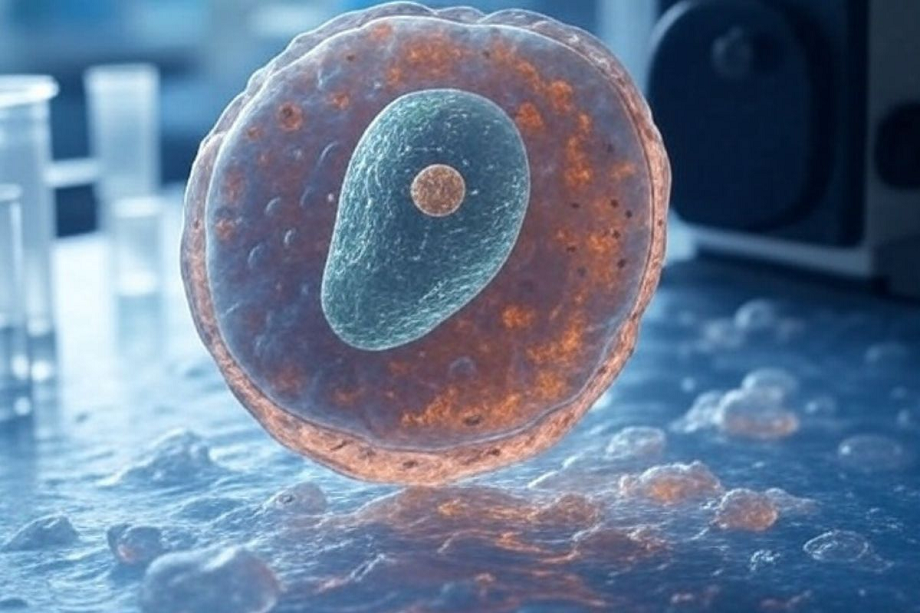
Brain Eating Amoeba: Brain-eating amoeba has spread panic in Kerala. 19 people have died in the state in the last one month due to this disease. A 9-year-old girl died after being infected with the brain-eating disease. After which the entire family is in a bad state, crying. The girl's mother says that she is still unable to accept her daughter's death. The crying mother said, "I cannot believe that my daughter is gone." The horror of this disease can be understood from this. In this story, we will tell you what brain-eating disease is and what the measures to prevent it are.
Brain-Eating Amoeba: Kerala is grappling with a rare but deadly disease. The disease has claimed 19 lives in recent months, with more than 70 cases reported in the state this year. It is caused by a microscopic parasite known as Naegleria fowleri (brain-eating amoeba). Also known as the "brain-eating amoeba," it causes a condition called primary amoebic meningoencephalitis, or PAM.
What causes brain eating disease?
Brain-eating disease is a rare but near-fatal brain infection caused by Naegleria fowleri (the brain-eating amoeba). The infection is usually fatal, with over 98 percent of those infected dying.
Where is the amoeba causing brain eating disease found?
The amoeba is found in warm freshwater bodies such as ponds, lakes, rivers, and poorly maintained swimming pools. According to health officials, it doesn't cause illness if swallowed, but if water gets into the nose, the parasite can enter the brain through the nose. This causes brain swelling and tissue destruction. The disease progresses very rapidly.
Brain-eating disease leads to death within one to two weeks
According to a health official, "What begins with fever, headache, nausea, and a stiff neck quickly progresses to seizures and coma. Death usually occurs within one to two weeks." Doctors say it's often mistaken for bacterial meningitis, and by the time the actual cause is discovered, it's often too late to save the patient.
There is no medicine that can treat PAM
Health officials say it is extremely difficult to treat. There is no single drug that can cure PAM, and survivors worldwide are very few. Patients who have recovered have been treated with a combination of powerful drugs such as amphotericin B, miltefosine, and rifampicin, along with treatments to reduce the dangerous brain swelling that accompanies the disease.
Prevention is the key to disease prevention; keep children away from hoses or sprinklers.
Although the disease is extremely rare, its high mortality rate has raised concerns. Experts emphasize that prevention is the best defense. People are advised not to swim or dive in stagnant or poorly maintained freshwater sources during the summer. If swimming is necessary, wear nose clips to reduce the risk of water entering the nose. Doctors advise children not to play with hoses or sprinklers, as this poses a risk of water entering the nose. Garden hoses should be thoroughly rinsed before use. Daily cleaning of paddling pools, proper chlorination of swimming pools, and using only boiled or filtered water for nasal rinsing are also recommended.
Amoeba thrives in warm water; climate change could increase the risk of PAM
Scientists have warned that climate change could increase the risk of PAM. The amoeba thrives in warm water and depends on bacteria that thrive at higher temperatures. Warmer temperatures could increase the parasite's range and lead more people to seek relief in lakes and rivers, increasing the risk of contracting the disease.
PC:Prabhat Khabar