BUSINESS
Ayushman Bharat Health Cover May Double to ₹10 Lakh: Proposal Explained, Eligibility and Latest Updates
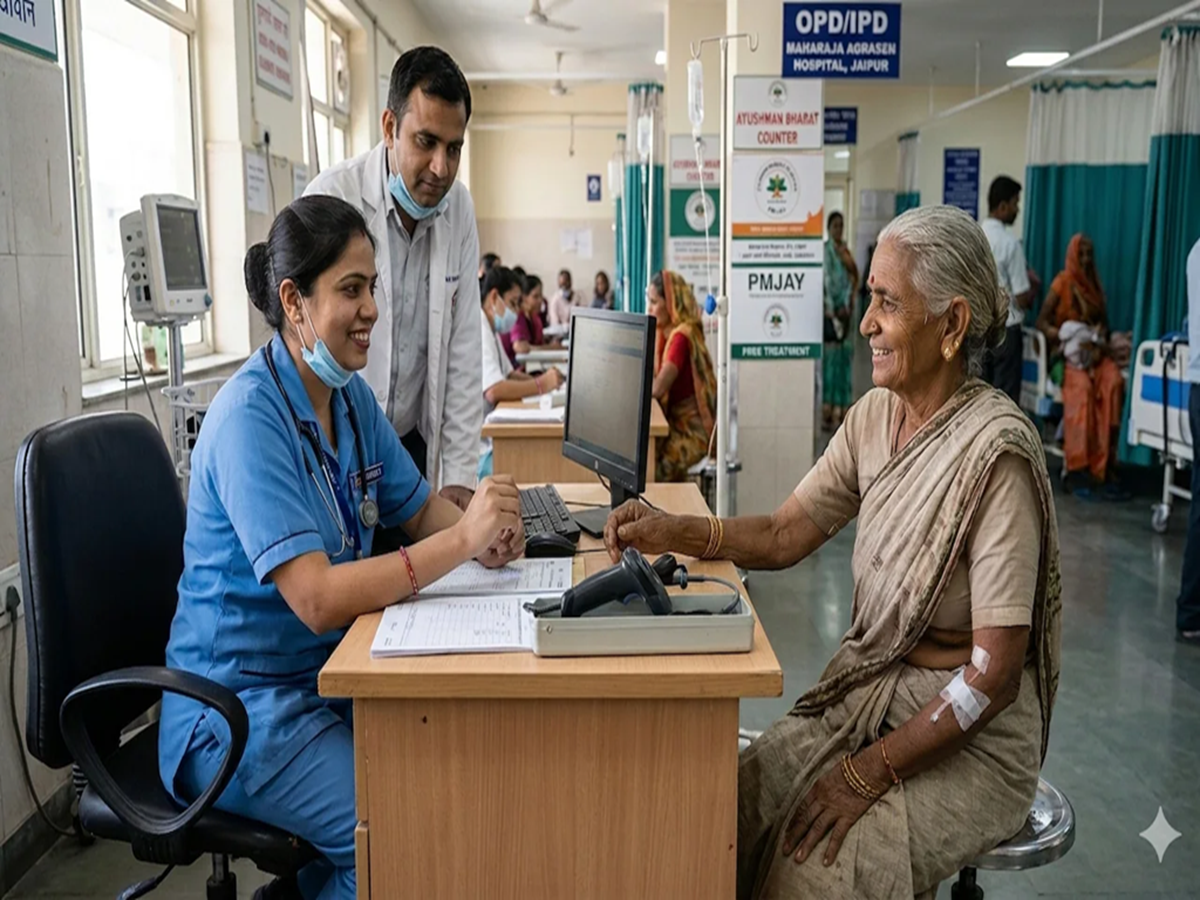
India’s biggest government health insurance scheme, Ayushman Bharat Pradhan Mantri Jan Arogya Yojana (AB-PMJAY), is in focus once again after a proposal to increase the health cover from ₹5 lakh to ₹10 lakh per family per year.
The proposal has not been implemented yet. It has been recommended by a Parliamentary Standing Committee on Health and Family Welfare. If approved by the central government and the Union Cabinet, the move could provide major financial support to millions of families, especially those requiring expensive medical treatment.
What Is the ₹10 Lakh Health Cover Proposal?
The Parliamentary Standing Committee, in its 172nd report, recommended increasing the annual health insurance limit under Ayushman Bharat from ₹5 lakh to ₹10 lakh per family.
The committee noted that while the current cover helps with many healthcare expenses, it may not be enough for several advanced and costly treatments.
Which Treatments Could Benefit From Higher Coverage?
Medical expenses for several serious conditions can exceed ₹5 lakh. These include:
-
Liver transplant
-
Kidney transplant
-
Complex heart surgeries
-
Advanced cancer treatments such as immunotherapy
-
Other specialised medical procedures
An increased cover of ₹10 lakh could reduce the financial pressure on families undergoing such treatments.
Has the ₹10 Lakh Cover Started?
No. The proposal is currently only a recommendation.
For it to become a reality:
-
The central government must accept the proposal.
-
The Union Cabinet must approve it.
-
An official notification must be issued.
Until then, the existing ₹5 lakh annual health cover under Ayushman Bharat will continue.
Current Benefits Under Ayushman Bharat
| Benefit | Details |
|---|---|
| Annual health cover | ₹5 lakh per family |
| Treatment | Cashless and paperless |
| Hospitals | Government and empanelled private hospitals |
| Pre-existing diseases | Covered from day one |
| Pre-hospitalisation expenses | Up to 3 days |
| Post-hospitalisation expenses | Up to 15 days |
| Family members | No limit on family size |
Who Is Eligible for Ayushman Bharat?
Eligibility is mainly based on criteria from the Socio-Economic Caste Census (SECC) and other government guidelines.
In Rural Areas
Priority is given to families such as:
-
Those living in kutcha houses
-
Landless labourers
-
Scheduled Caste and Scheduled Tribe families
-
Families without an earning member
In Urban Areas
Eligible categories may include:
-
Domestic workers
-
Sanitation workers
-
Street vendors
-
Rickshaw drivers
-
Construction workers
-
Security guards
-
Other unorganised sector workers
Rules for Senior Citizens Above 70 Years
Under recent changes:
-
Senior citizens aged 70 years and above can get Ayushman Bharat benefits.
-
There is no income-based eligibility requirement for this category.
-
Eligible senior citizens receive an Ayushman Vay Vandana Card.
-
They can receive health coverage of up to ₹5 lakh separately.
Who May Not Be Eligible?
Certain groups are generally excluded, including:
-
Government employees
-
Income taxpayers
-
Some families owning vehicles
-
High-income households
-
Other categories specified under scheme rules
Who Will Benefit Most If Coverage Becomes ₹10 Lakh?
If the proposal is approved, the biggest beneficiaries could include:
-
Patients with serious illnesses
-
Cancer patients
-
Organ transplant patients
-
Economically weaker families
-
Rural beneficiaries
-
Patients requiring long-term hospitalisation
Challenges Before the Government
Increasing the health cover will also create several challenges, including:
-
Requirement of additional government funding
-
Cost-sharing arrangements with states
-
Expansion of hospital networks
-
Stronger monitoring to prevent fraudulent claims
-
Development of packages for expensive treatments
The proposed increase in Ayushman Bharat coverage could become a major healthcare reform if approved, but the final decision rests with the government.