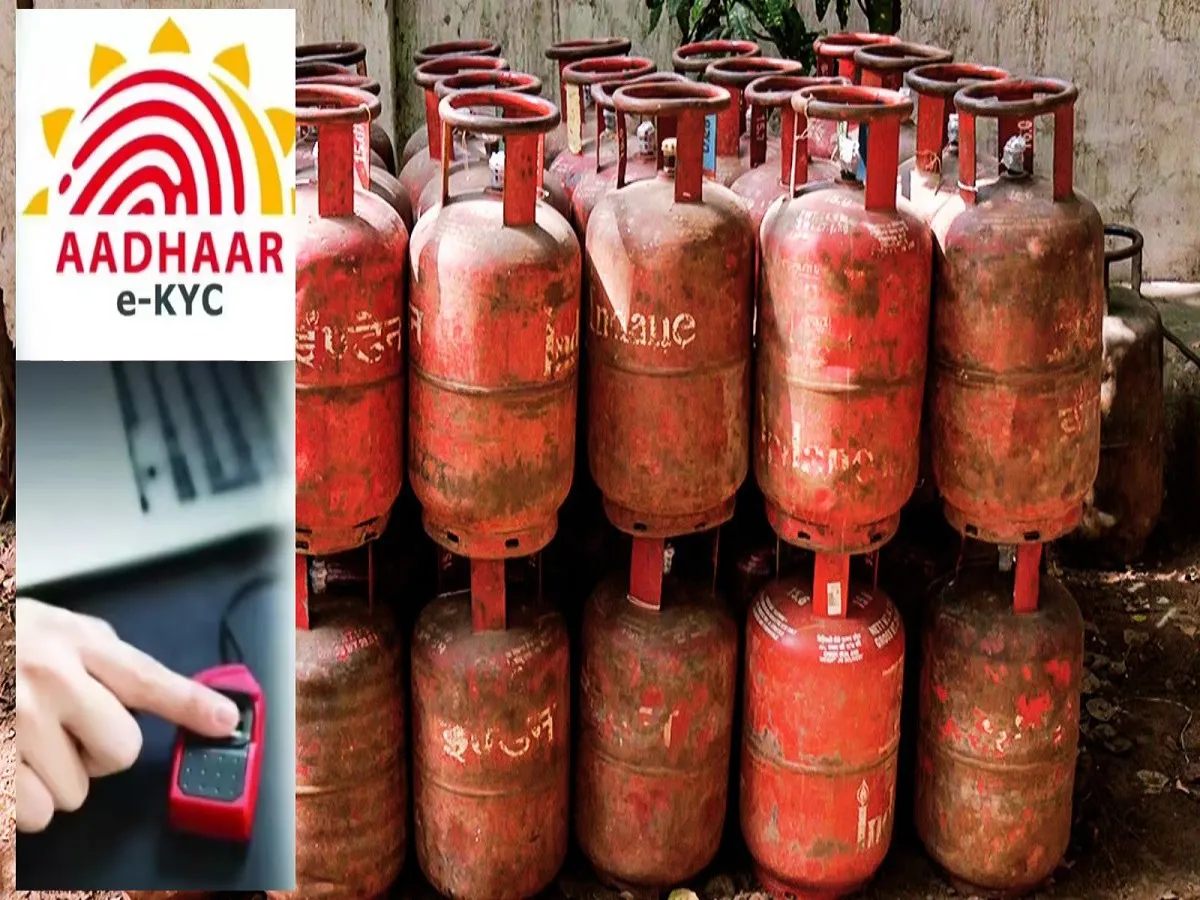
In a major policy shift aimed at curbing misuse by undocumented immigrants, the Unique Identification Authority of India (UIDAI) is all set to tighten rules for adult Aadhaar enrolment. The new framework will make it significantly more difficult for illegal immigrants to obtain Aadhaar cards, which are often used as critical identity documents.
🔒 Why the Rules Are Changing
Concerns have been mounting over fake documentation being used by illegal migrants to secure Aadhaar numbers. These Aadhaar cards are then misused for various purposes, including availing government benefits, obtaining SIM cards, and even voter registration.
To plug these gaps, UIDAI plans to leverage digital databases of critical documents such as:
-
Passports
-
Ration Cards
-
Birth Certificates
-
Matriculation Certificates
These will be cross-verified online to prevent fraudulent enrolments.
📜 Tougher Norms for Adults
An official from UIDAI confirmed that in future, adults applying for Aadhaar—or even trying to update existing records—will face stricter documentation and verification protocols.
Key highlights of the proposed changes:
-
Only digitally verifiable documents will be accepted.
-
Verification will include cross-checking national and state-level databases.
-
Greater emphasis will be placed on ensuring authenticity and traceability of submitted proof.
🧾 Aadhaar Is Not Proof of Citizenship
This comes amid an ongoing political debate in Bihar, where voter list updates ahead of state elections have led to tensions between the ruling government and the opposition. The Election Commission, during a recent Supreme Court hearing, reiterated that Aadhaar is only a proof of identity, not citizenship.
Despite this legal clarification, the UIDAI’s stricter norms are intended to prevent Aadhaar misuse by non-citizens.
🍼 Newborns vs. Adults
Interestingly, newborns and infants can still get Aadhaar relatively easily, which is why the focus is now shifting toward tightening adult registration. UIDAI sees this as a necessary move to protect the integrity of the Aadhaar ecosystem.
In the last 15 years, over 1.4 billion Aadhaar numbers have been issued across India.
🚫 Illegal Immigrants and Fake Documents
One of the major drivers of the new policy is the increasing number of cases where undocumented immigrants have secured Aadhaar cards using forged documents. Until now, the responsibility of document verification largely rested with state governments.
Under the proposed system:
-
Aadhaar enrolments will be issued only after digital verification.
-
Manual document checks will be minimized, and centralized audits will be strengthened.
🧩 A National Security Concern
The move is also being seen as a national security measure to prevent foreign nationals from misusing India’s identification infrastructure.
With Aadhaar being a gateway to bank accounts, government subsidies, mobile numbers, and more, UIDAI's stricter enrolment rules are aimed at ensuring that only genuine residents get access.
📌 Summary of Key Changes
| Change | Details |
|---|---|
| Target Group | Adult Aadhaar applicants |
| Major Documents | Passport, Ration Card, Birth & Matriculation Certificates |
| Verification | Online cross-check with official databases |
| Purpose | Block fake Aadhaar generation by illegal immigrants |
| Impact | Enrolment and updates for adults will now be much stricter |
| Aadhaar Status | Not proof of citizenship, only identity |
Final Takeaway
UIDAI’s upcoming reforms mark a critical shift in how Aadhaar enrolment will be handled for adults in India. While it's still accessible for infants and children, adults will soon need strong, verifiable documentation to prove their legitimacy. This change is not just about documentation—it’s about reinforcing the Aadhaar system’s credibility in a world of rising digital identity threats.