BUSINESS
8th Pay Commission: A major update for government employees, this is related to annual increment
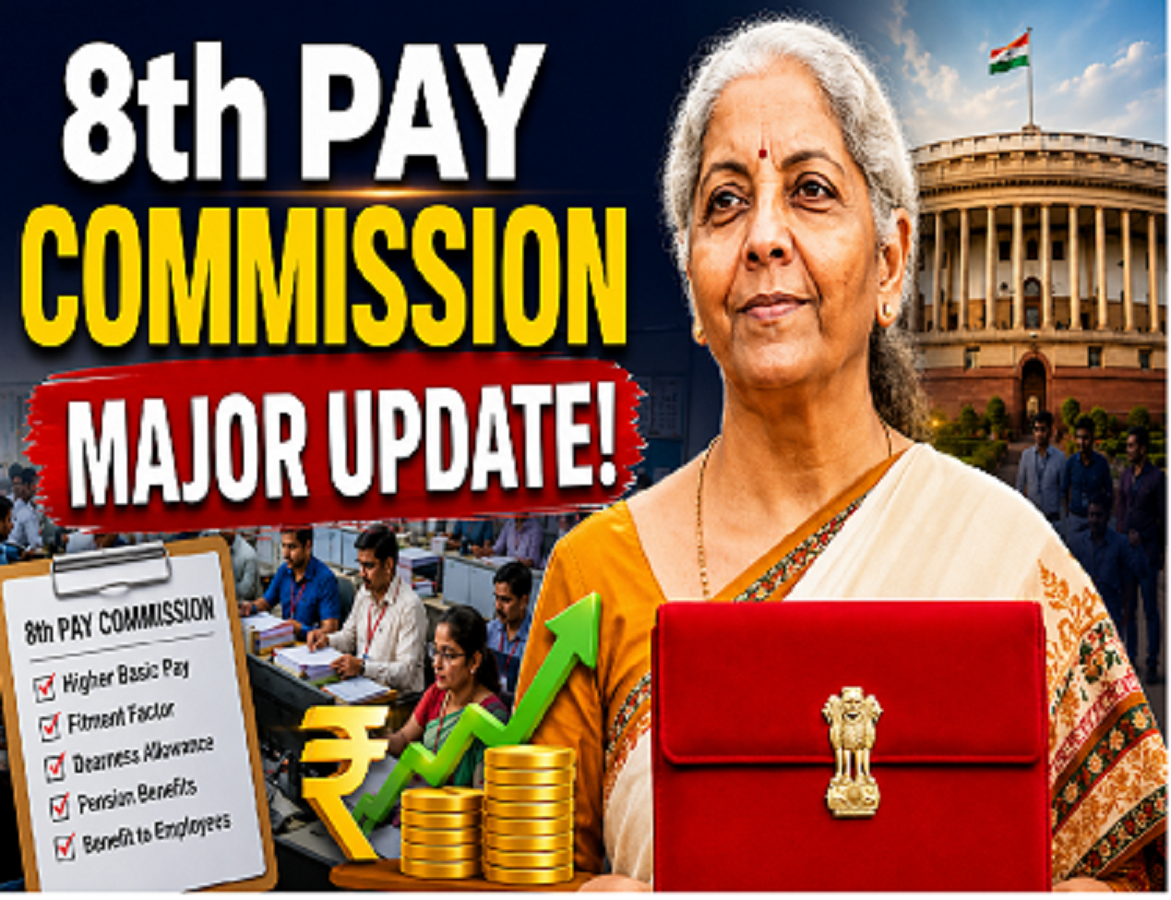
Will the Eighth Pay Commission increase the minimum salary of central government employees to Rs 69,000? In their memorandum of demands to the Eighth Pay Commission (8th CPC), employee unions (NC-JCM) have made significant demands to increase annual increments from 3% to 6% and to review salaries every five years. Employees argue that a better pay structure, amid rising inflation, is essential to attract talented individuals to government service.
There's some good news for central government employees. The government is currently in discussions with various organizations regarding the 8th Central Pay Commission and seeking their opinions. Meanwhile, central government employees' organizations, the staff side, have placed some special demands before the government. If the government accepts these demands, the annual salary increase for government employees will double, and the minimum wage will also increase several times.
Employees' organizations have sent a memorandum of demands to the Eighth Pay Commission through the National Council of Joint Consultative Machinery. The most important point of this memorandum is that there should no longer be a 10-year wait for employee salaries to be reviewed. Salaries should be revised every five years, taking into account inflation and changing economic conditions. Furthermore, the organizations have demanded that the annual increment rate be increased from the current 3% to 6%. Employees believe that such an increment is essential for a decent life in this era of inflation.
What should be the minimum salary?
The organizations have also suggested that the various pay scales under the Eighth Pay Commission should be merged. Furthermore, the minimum starting salary for a Level 1 employee, the lowest level, should be approximately ₹69,000 per month. The organizations argue that a fair and equitable pay structure is crucial for the country. This will attract the best and most talented young people to government jobs, retain older and more experienced employees, and expedite government performance.
Increasing salaries is not an expense, but an investment in the country's progress.
TCS has shown mercy to its employees, offering up to 80% bonus. Who benefited?PM Modi's appeal will also impact the 8th Pay Commission! Employees' concerns grow.8th Pay Commission: Basic salary to increase from ₹18,000 to ₹68,940, arrears ₹16 lakh?If the government accepts this, your basic pay will increase from ₹18,000 to ₹69,000.
It is generally believed that the implementation of a pay commission increases the financial burden on the government. Currently, the government spends approximately 13% of its total revenue on employee salaries, allowances, and pensions. This expenditure will increase further with the introduction of the new pay commission. However, employee organizations have a different perspective. They argue that this salary expenditure should be viewed not as a burden, but as an investment. When employees' salaries increase, their purchasing power in the market will increase. People will buy more goods, increasing demand, and this increased demand will bring more money back to the government in the form of taxes. This entire cycle will contribute to the country's economic progress. It is worth noting that the Eighth Pay Commission is expected to take approximately 18 months to submit its full report and recommendations to the government.
PC:Hindi News18