TECH
Your Smartwatch Could Soon Detect Health Problems Before You Notice Symptoms! Here Is How AI Is Transforming Wearable Technology
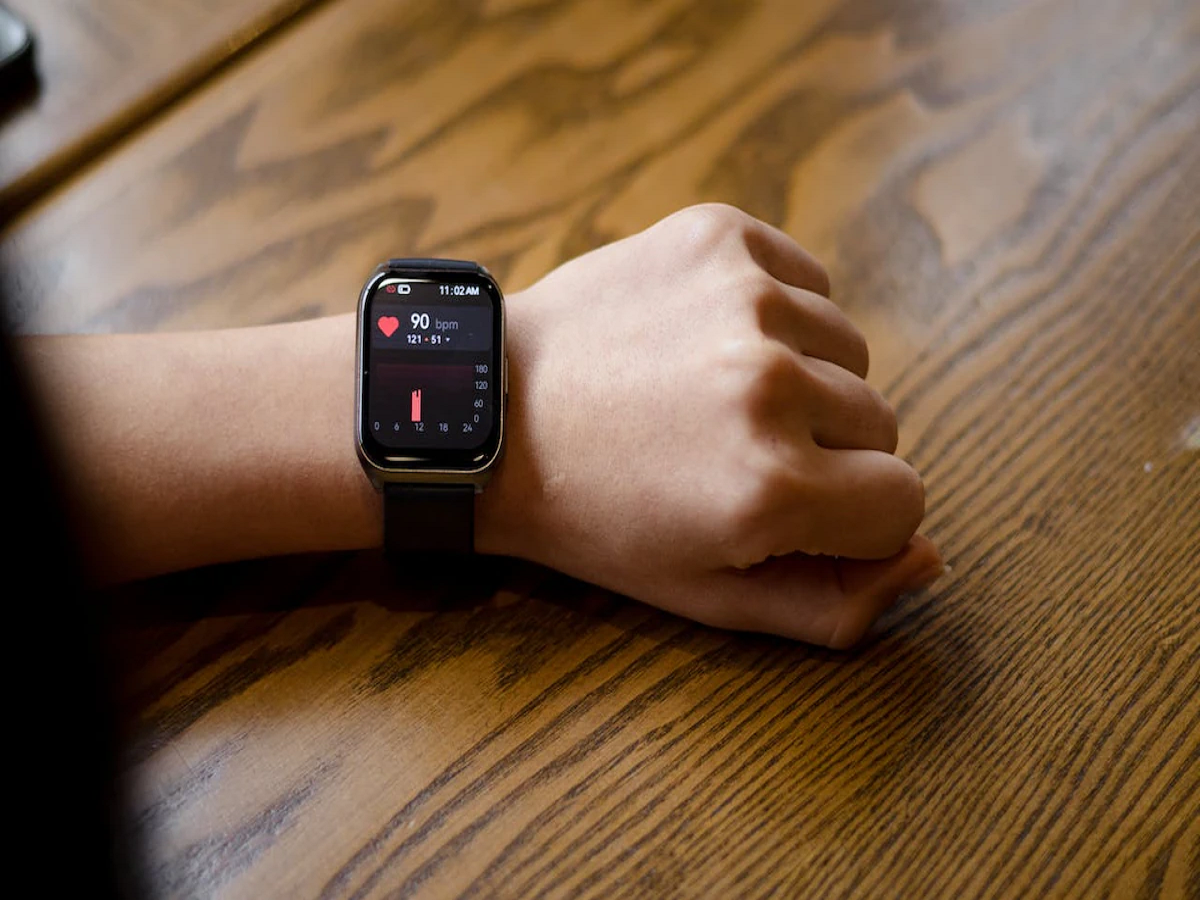
Smartwatches were once primarily used to check the time, count steps and track workouts. Today, they can monitor heart rate, estimate blood oxygen levels on supported models, analyse sleep patterns and record physical activity. With artificial intelligence becoming more advanced, wearable devices are evolving into increasingly sophisticated tools for understanding everyday health patterns.
The next stage of this technology could help users recognise unusual changes in their bodies earlier, potentially encouraging them to seek medical advice before a problem becomes more serious.
However, there is an important distinction between identifying a pattern that deserves attention and diagnosing a medical condition.
How Is AI Making Smartwatches Smarter?
Traditional fitness trackers collect information such as heart rate, movement and sleep duration. AI-powered systems can analyse patterns across these measurements and compare them with a user's previous readings.
For example, a device might identify that a person's resting heart rate has remained unusually elevated compared with their typical baseline. Depending on the device and its approved features, it may provide a notification suggesting that the user review the change.
Some wearable devices already offer specific health-related features, such as notifications for irregular heart rhythms, while researchers continue to investigate other possible applications.
The capabilities differ considerably between devices, and not every smartwatch includes AI-based health analysis.
Four Ways Wearable Technology Could Help Monitor Health
1. Identifying Unusual Heart Patterns
Certain smartwatches can detect signs of an irregular heart rhythm, including possible atrial fibrillation, using supported sensors and algorithms.
These notifications can prompt users to seek professional evaluation. However, they are not a definitive diagnosis, and a normal smartwatch reading cannot rule out a heart problem.
2. Understanding Sleep Patterns
Wearables can estimate sleep duration, movement and different sleep stages. Over time, this information may help users recognise habits associated with poor sleep, such as irregular bedtimes or insufficient rest.
Sleep-stage estimates are not as precise as measurements obtained through a clinical sleep study, so they should be interpreted as useful approximations rather than exact measurements.
3. Monitoring Recovery After Exercise
Athletes and fitness enthusiasts can use wearable data to track resting heart rate, training intensity and activity levels.
When combined with information about sleep and perceived fatigue, these measurements may help users understand how their bodies respond to exercise. However, no single wearable metric can determine whether someone is fully recovered or ready for intense training.
4. Detecting Changes in Everyday Activity
A noticeable change in movement, sleep or other measurements may sometimes indicate that something has changed in a person's routine or well-being.
Researchers are exploring whether combinations of wearable signals can help identify certain health-related patterns earlier. Many of these applications still require further validation before they can be relied upon in routine medical care.
Can a Smartwatch Predict a Disease Before Symptoms Appear?
This is one of the most interesting areas of wearable technology research, but it also requires caution.
Some devices can identify specific signals associated with particular conditions. Researchers are investigating whether continuous measurements could help recognise other patterns before a person notices symptoms.
Nevertheless, an unusual reading does not automatically mean that someone has a disease. Factors such as stress, caffeine, exercise, dehydration, poor sleep and sensor errors can influence measurements.
AI systems can also produce false alarms or miss genuine problems. Their performance depends on the condition being assessed, the quality of the data and the population in which the system has been tested.
The Privacy Question: Who Owns Your Health Data?
As wearable devices collect more personal information, protecting that data becomes increasingly important.
Health measurements can reveal details about sleep routines, physical activity and potentially sensitive health patterns. Users should understand what information their device collects, whether it is uploaded to cloud services and which third parties may receive access.
Before enabling health-monitoring features, review the manufacturer's privacy settings, app permissions and data-sharing policies. Use strong account security and keep device software updated.
Will Smartwatches Replace Doctors?
No. Wearable technology can provide useful information between medical appointments, but it cannot replace a clinical examination, appropriate diagnostic tests or professional judgement.
A smartwatch should be treated as a supporting tool rather than the final authority on your health. Persistent symptoms or concerning changes should be assessed by a qualified healthcare professional, even if your device reports normal readings.
What Does the Future Hold?
The combination of wearable sensors, AI and personalised data analysis could make health monitoring more continuous and accessible. Future devices may provide better insights into individual patterns and help clinicians use information collected outside hospitals.
The biggest challenge will be ensuring that these tools are accurate, secure and clinically useful.
Smartwatches are becoming more than simple fitness accessories, but their greatest value may lie not in replacing medical care, but in helping people notice changes, ask better questions and make more informed decisions about their health.