TECH
Forget Passwords! Passkeys Are Changing How You Log In, and Your Fingerprint Could Become Your New Key
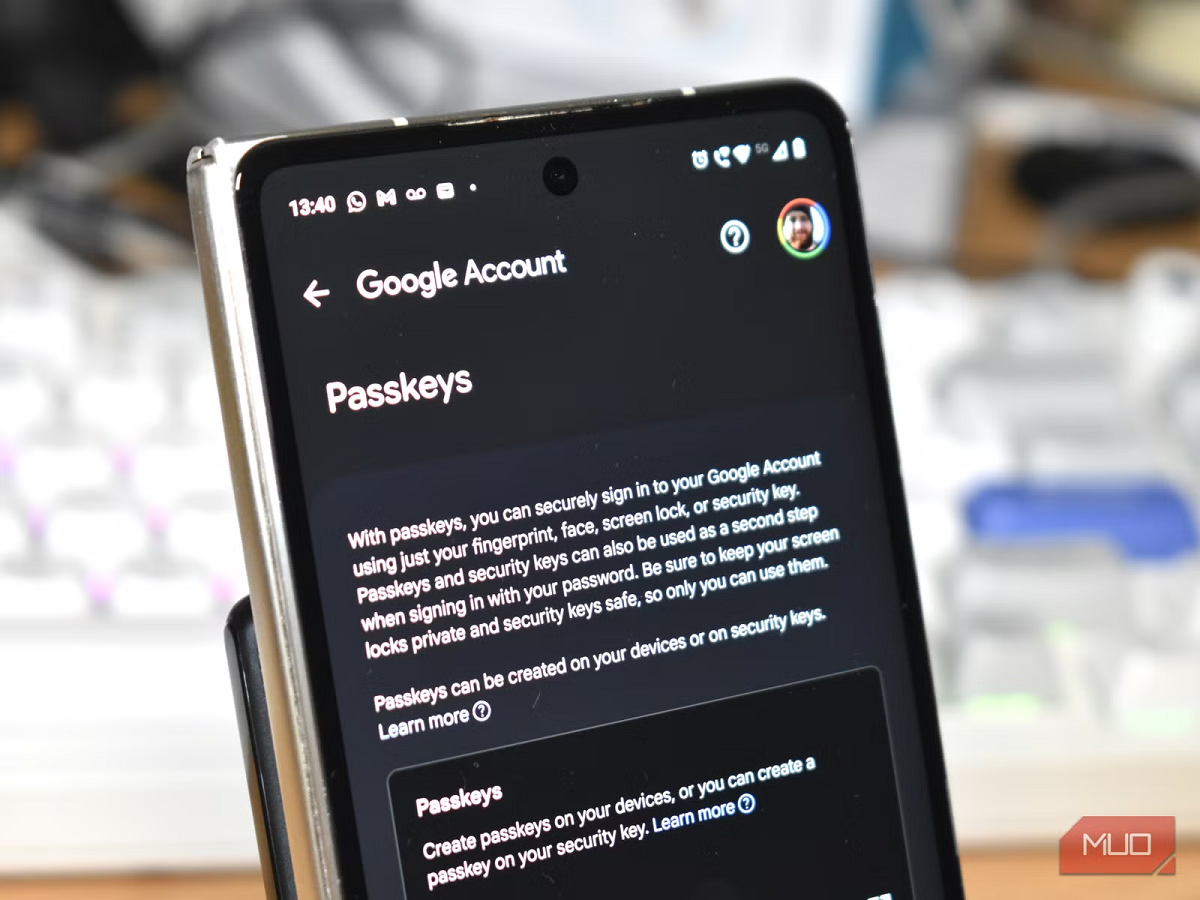
Imagine logging into your bank, email or shopping account without remembering a complicated password or waiting for a one-time password (OTP). Instead, you simply use your fingerprint, scan your face or unlock your phone. This is the idea behind passkeys, a modern authentication technology designed to make online accounts easier and safer to access.
As cybercrime, phishing attacks and password leaks continue to pose challenges for internet users, passkeys are gaining attention as an alternative to traditional passwords.
What Exactly Is a Passkey?
A passkey is a digital credential that allows you to sign in to a website or application without entering a conventional password.
It uses a pair of cryptographic keys. One key is stored securely on your device, while the other is held by the service you are logging into. When you attempt to sign in, the device proves that it holds the correct credential without sending a reusable password over the internet.
Your fingerprint, face recognition or device PIN may be used to authorise the sign-in. Importantly, your fingerprint or facial data generally stays on your device rather than being sent to the website as your login credential.
Passkeys are built on standards developed by the FIDO Alliance and the World Wide Web Consortium (W3C), helping compatible services and devices work together.
Why Are Passkeys Considered Safer Than Passwords?
Traditional passwords can be guessed, reused across multiple accounts, stolen in data breaches or captured through fraudulent websites.
Passkeys address several of these weaknesses.
1. Strong Protection Against Phishing
Passkeys are associated with the legitimate website or service for which they were created. This makes it much harder for a fake website to trick a user into handing over a reusable credential.
2. No Password to Remember
Users do not need to create and remember a different complex password for every compatible service. Authentication can be completed using the security features already available on their devices.
3. No Reusable Password to Steal
Because passkey authentication relies on cryptographic proof rather than transmitting a conventional password, attackers cannot simply collect a passkey in the same way they might steal a password through a fake login page.
However, account recovery procedures, compromised devices and poorly secured services can still create risks.
How Can You Start Using Passkeys?
Getting started is relatively straightforward, although the exact steps depend on the website and device.
-
Check whether the website or application supports passkeys.
-
Open its account settings and look for the security or sign-in options.
-
Select the option to create or add a passkey.
-
Follow the instructions to authenticate using your device.
-
If offered, configure secure synchronisation or another supported recovery method.
Many modern smartphones, computers and password managers support passkeys, but availability varies by operating system, application and service.
What Happens If You Lose Your Phone?
This is one of the most important questions to consider before switching.
Depending on how your passkey is stored, it may be synchronised securely across your devices or remain associated with a particular device. If you lose access to the device containing your passkey, recovery options will depend on the service and the storage method you chose.
It is sensible to configure account recovery options, keep your devices updated and secure your primary account with strong authentication. Never share verification codes or approve unexpected sign-in requests from unknown sources.
Will Passkeys Completely Replace Passwords?
Not immediately. Some websites still rely on passwords, and certain services may require alternative authentication or recovery methods. Adoption also depends on compatibility and how easily people can move between devices and platforms.
Nevertheless, passkeys represent a significant shift towards authentication that is less dependent on secrets people must remember and more reliant on secure devices and cryptographic technology.
The Future of Online Security
Passwords have been central to internet security for decades, but they were never perfect. Passkeys offer a practical way to reduce common problems such as password reuse, phishing and credential theft.
As more services adopt the technology, logging in could become both simpler and more secure. Your fingerprint or face will not literally replace every password everywhere, but your device may increasingly become the key that proves who you are online.