TECH
Scientists Are Turning Ordinary Windows Into Solar Panels! The Technology That Could Transform Future Buildings
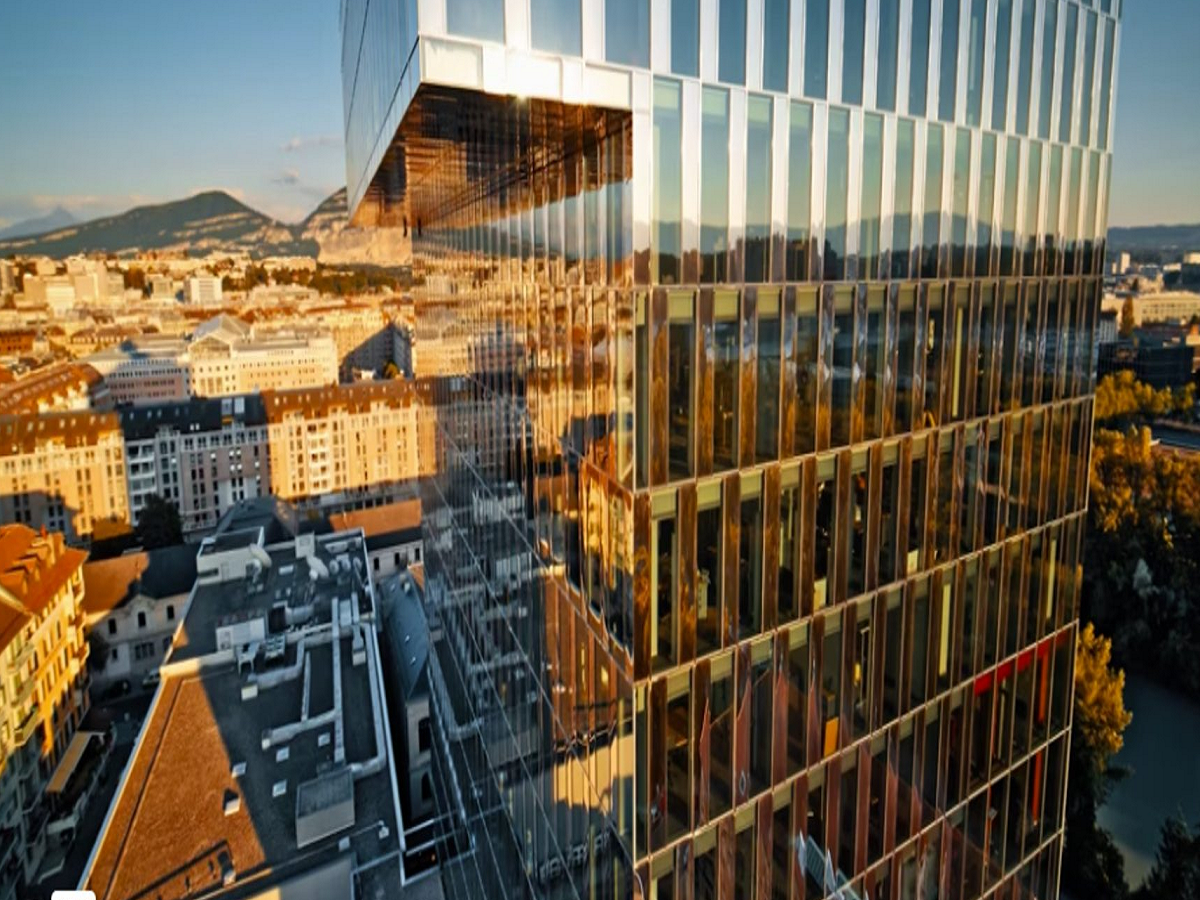
Imagine living in a home where the windows generate electricity while allowing sunlight to enter the rooms. Instead of covering every available rooftop with solar panels, buildings could potentially produce power through specially designed glass installed in windows, office towers and other transparent surfaces.
This is the idea behind transparent solar technology, an emerging field that aims to turn windows into electricity-generating surfaces. If the technology becomes efficient and affordable enough, it could change how buildings use energy and create new opportunities for renewable power.
How Do Solar Windows Work?
Conventional solar panels absorb sunlight and convert some of its energy into electricity. Transparent solar technologies attempt to achieve a similar result while allowing at least part of the visible light to pass through the material.
Researchers are investigating several approaches, including semi-transparent photovoltaic cells, organic solar materials and special coatings that interact with selected wavelengths of light.
Some designs aim to absorb ultraviolet and infrared radiation while allowing more visible light to pass through. Others use thin photovoltaic layers that can be integrated into glass.
The goal is to generate electricity without making windows completely opaque.
Why Could This Technology Be Important?
Modern cities contain enormous amounts of glass. Office buildings, shopping centres, airports and residential towers often have extensive window surfaces that currently generate little or no electricity.
If suitable solar windows could be installed across these structures, they might contribute to a building's energy needs without requiring additional land.
Potential applications include:
-
Office towers that generate some of their own electricity.
-
Residential buildings with energy-producing windows.
-
Greenhouses designed to balance electricity generation with the light required by plants.
-
Public infrastructure that incorporates renewable energy into existing surfaces.
The amount of electricity produced would depend on factors such as window orientation, sunlight exposure, the technology used and the size of the installation.
Could Solar Windows Replace Traditional Solar Panels?
Not necessarily. Conventional photovoltaic panels are generally designed to maximise electricity generation, while transparent solar materials must also meet requirements for visibility, colour, insulation and durability.
This creates a trade-off: allowing more visible light through can limit the amount of sunlight available for electricity generation.
Traditional rooftop panels will therefore likely remain an important option where maximum power production is the priority. Solar windows could instead complement them by using surfaces that are unsuitable for conventional panels.
A building might eventually combine rooftop solar panels, solar windows and battery storage to make better use of available renewable energy.
What Are the Biggest Challenges?
Despite their potential, transparent solar technologies face several hurdles.
1. Electricity Generation
Many transparent designs produce less electricity per unit of area than conventional opaque solar panels. Improving efficiency while maintaining transparency remains a central research challenge.
2. Manufacturing Costs
Specialised materials, coatings and installation requirements can increase costs. The technology must become commercially competitive with ordinary windows and established solar systems.
3. Long-Term Durability
Windows must withstand heat, moisture, weather exposure and years of everyday use. Solar coatings and photovoltaic layers must maintain their performance under these conditions.
4. Building Design
Solar windows must also satisfy requirements related to structural strength, insulation, glare and indoor comfort. Generating electricity is only one part of making them practical.
Will Solar Windows Become Common in India?
India's strong sunlight and expanding urban infrastructure make building-integrated solar technology an interesting possibility. Commercial buildings with large glass façades could be potential candidates, particularly where conventional rooftop space is limited.
However, adoption will depend on local sunlight conditions, building design, electricity prices, installation costs and the availability of proven products.
For now, transparent solar technology should be viewed as a developing complement to conventional solar power rather than a replacement that is ready for every building.
A New Possibility for Renewable Energy
The future of solar power may involve more than panels placed on rooftops and open fields. Walls, windows and other building surfaces could eventually contribute to electricity generation as photovoltaic materials become more efficient and affordable.
Transparent solar windows still face technical and commercial challenges, but the underlying idea is compelling: buildings could become not just places that consume electricity, but structures that help produce it too.