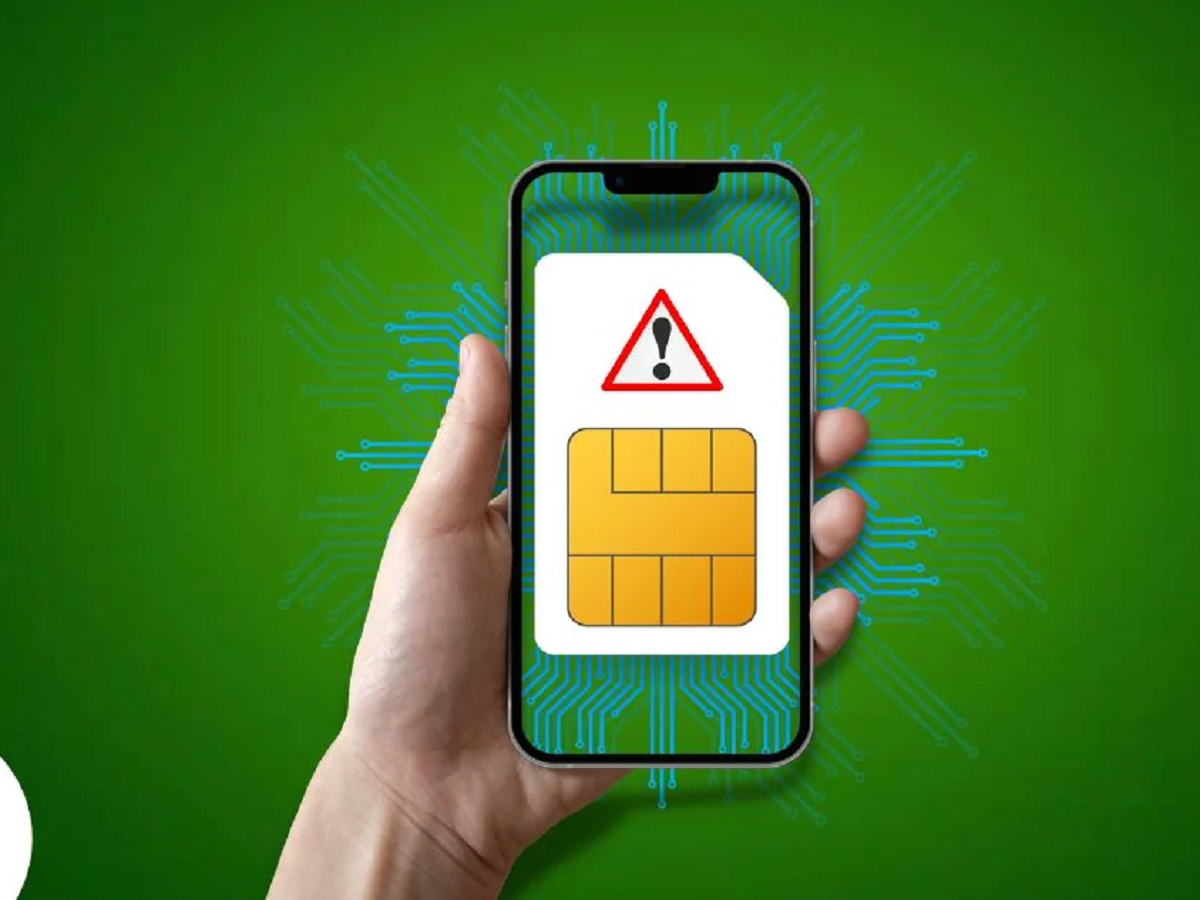
Remember the tiny plastic SIM card that you carefully moved from one phone to another?
That little piece of plastic may eventually become something you rarely think about.
eSIM technology is changing how smartphones connect to mobile networks. Instead of inserting a physical card, compatible phones can use a digital SIM profile that can be activated and managed electronically.
But eSIM is only the beginning. The next stage of mobile connectivity could make switching networks, travelling internationally and even connecting other devices much simpler.
What exactly is an eSIM?
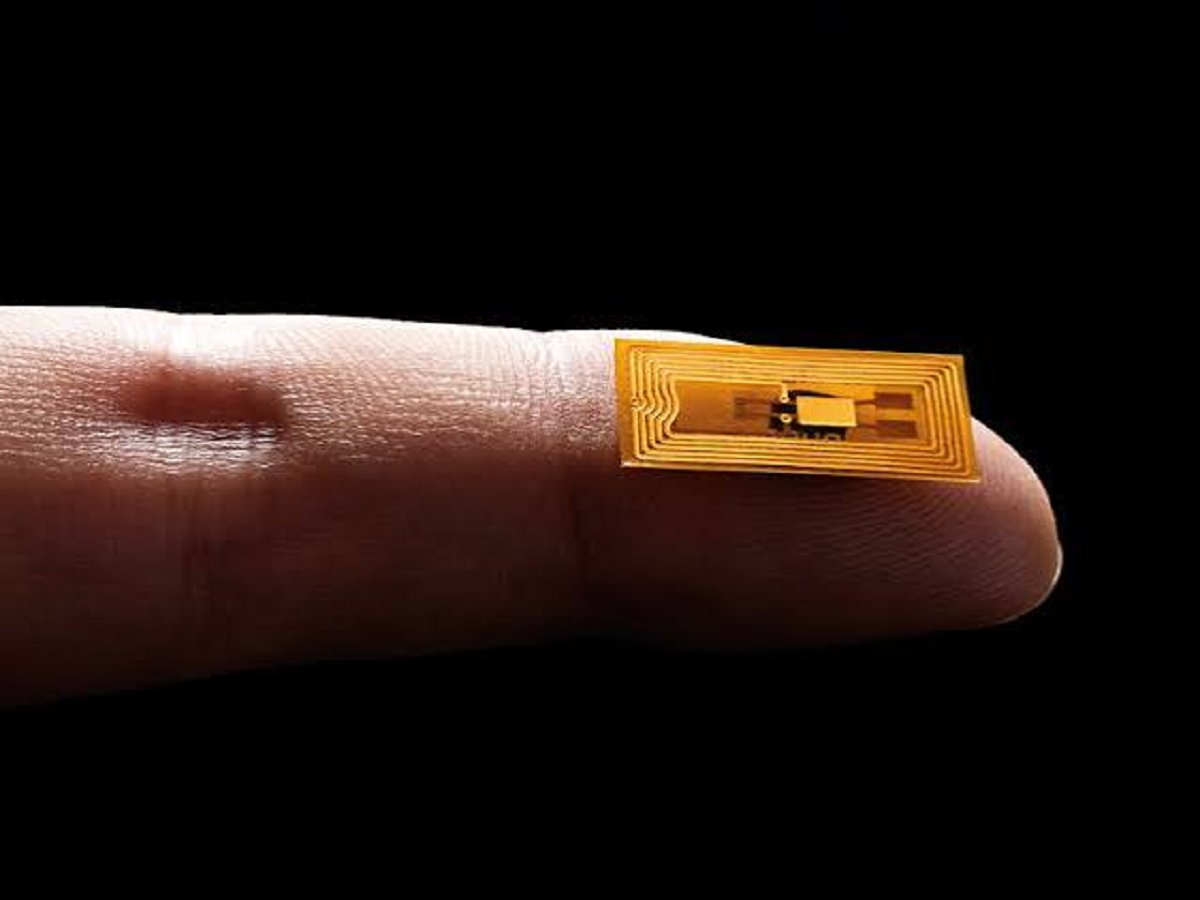
An eSIM, or embedded SIM, is a digital version of the traditional SIM card.
Instead of inserting a removable card, the SIM functionality is built directly into the device.
When you purchase a mobile connection, the network provider can activate a digital profile on the phone.
There is no tiny piece of plastic to insert, remove or accidentally lose.
Why is this useful?
Imagine buying a new phone.
With a traditional SIM, you remove the card from the old device and insert it into the new one.
With an eSIM, the connection can potentially be transferred digitally, depending on the carrier and device.
It can also make it easier to maintain multiple mobile plans on compatible devices.
For people who travel frequently, the technology can be particularly convenient.
Travelling abroad could become easier
International travellers often face the problem of expensive roaming charges.
With an eSIM-compatible smartphone, a traveller can purchase a local or international data plan digitally and activate it without physically buying and inserting another SIM card.
This means you could potentially land in another country, purchase a suitable data plan online and get connected without visiting a mobile shop.
The exact availability and activation process depends on the network provider and country.
One phone can handle multiple connections
Modern smartphones can support multiple SIM profiles, although the exact number of active connections depends on the device.
This opens up interesting possibilities.
For example, someone could keep their primary number active while using another connection specifically for travel data.
A person could also separate personal and professional mobile connections without carrying two phones, provided their device and network support the required configuration.
It could also change smartphone design
Removing the physical SIM tray gives manufacturers another opportunity to redesign the internal structure of a smartphone.
The space saved may be used for other components or simply help manufacturers create more compact internal layouts.
It can also reduce one physical opening in the device, potentially making engineering for water and dust resistance easier.
But eSIM alone does not guarantee that a phone will have better durability.
The bigger story is beyond smartphones
The most interesting part of eSIM technology may not actually be smartphones.
Connected cars, smartwatches, tablets, laptops and other devices can also use embedded connectivity.
This could allow more devices to connect directly to mobile networks without requiring a traditional SIM card.
Imagine buying a connected car and activating its mobile connection digitally rather than visiting a store to obtain a physical SIM.
But there is one major problem
The transition isn't completely frictionless.
Not every phone or network supports eSIM in the same way. Activation procedures vary between operators, and transferring a digital SIM can sometimes involve additional verification.
There is also a practical concern: if your phone stops working completely, moving a physical SIM into another device is often straightforward. With eSIM, you may need to go through a digital activation or carrier-support process.
So the technology is convenient, but it also changes how consumers manage their mobile connections.
The plastic SIM card may eventually feel outdated
The shift from physical SIM cards to digital connectivity is part of a larger trend in technology: removing physical components wherever software can perform the same job.
Just as physical tickets became digital passes and many payment cards moved into smartphones, mobile connectivity is also becoming increasingly software-driven.
The next time you buy a smartphone, the question may no longer be, "Which SIM card should I put in it?"
Instead, it could simply be: "Which network profile do I want to activate?"
And that small change could completely transform the way we think about mobile connections.