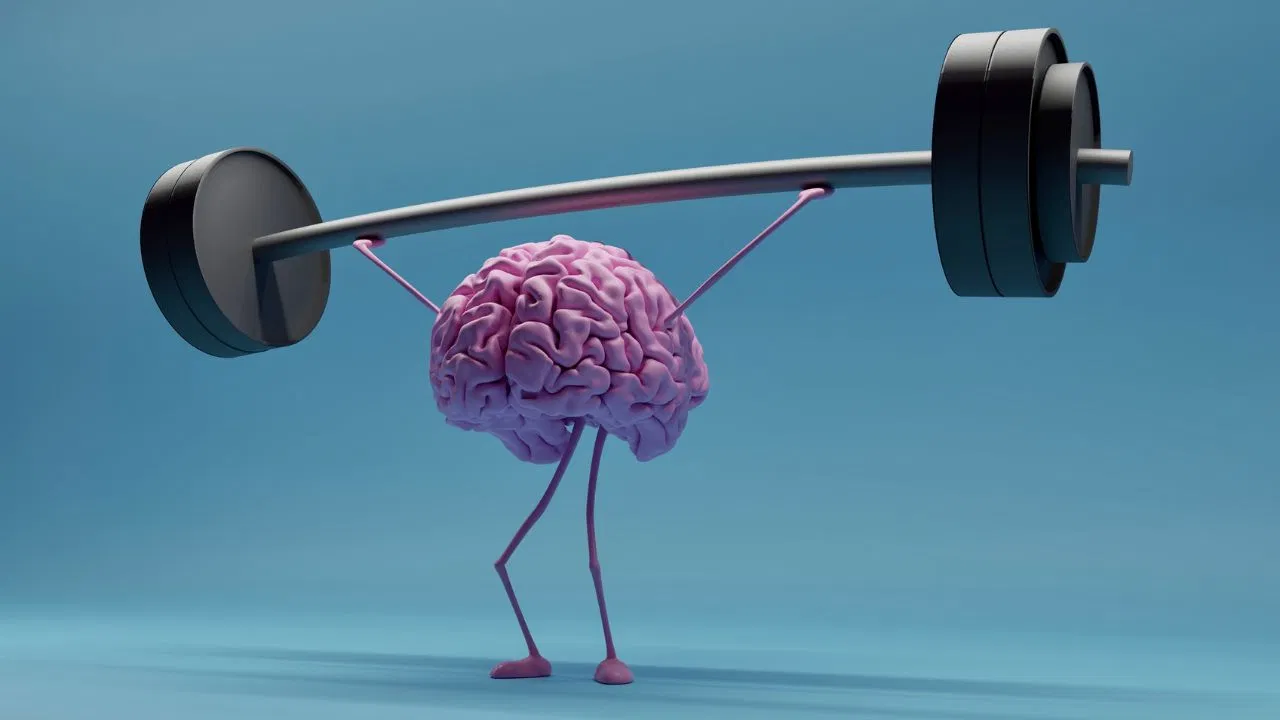
Our brain is the most powerful and complex organ in the human body. It regulates every task we perform—from thinking and emotions to movement and memory. Yet, in today’s fast-paced lifestyle, stress, poor diet, and lack of rest are taking a toll on brain health—often without us realizing it until problems become serious.
What Does the Brain Actually Do?
The brain is composed of millions of nerve cells (neurons) that send and receive rapid signals using electrical and chemical messages. When we see, hear, smell, or touch something, the brain receives this information from our sense organs. It then processes and interprets the input, helping us decide how to react—whether to move, speak, or think a certain way.
Early Signs of Poor Brain Health
According to Neurosurgeon Dr. Praveen Gupta, the brain often gives subtle warning signs when it isn’t functioning at its best. These include:
-
Frequently forgetting small things
-
Difficulty finding the right words
-
Trouble focusing or feeling mentally “foggy”
-
Mood swings or disturbed sleep
-
Confusion in performing simple daily tasks
If such symptoms are occurring repeatedly, it could be due to poor nutrition, excessive stress, or neurological issues like early dementia.
What Harms Brain Function?
Several modern lifestyle factors can lead to a decline in brain health, including:
-
Ageing and head injuries
-
Chronic stress
-
Diets rich in junk food and low in essential nutrients
-
Smoking and alcohol consumption
-
Lack of physical activity
-
Poor sleep quality
-
Underlying illnesses such as diabetes, hypertension, or obesity
Simple Ways to Keep Your Brain Healthy
The good news is that small lifestyle changes can greatly benefit brain health. Here are a few habits you can adopt:
-
Exercise daily: Even 30 minutes of walking improves blood flow to the brain
-
Eat brain-friendly foods: Include green vegetables, fruits, dry fruits, and omega-3-rich fish
-
Sleep well: Ensure 7–8 hours of restful sleep
-
Engage your mind: Read, solve puzzles, play chess, or try learning new skills
-
Practice mindfulness: Yoga, meditation, and outdoor time help reduce stress
-
Avoid harmful substances: Stay away from cigarettes and alcohol
Don’t Ignore Your Brain’s Signals
Your brain is the control center of your life. Ignoring its early signs of stress or fatigue can lead to long-term problems. But by taking simple preventive steps and making brain health a priority, you can maintain your memory, focus, and mental agility well into old age.