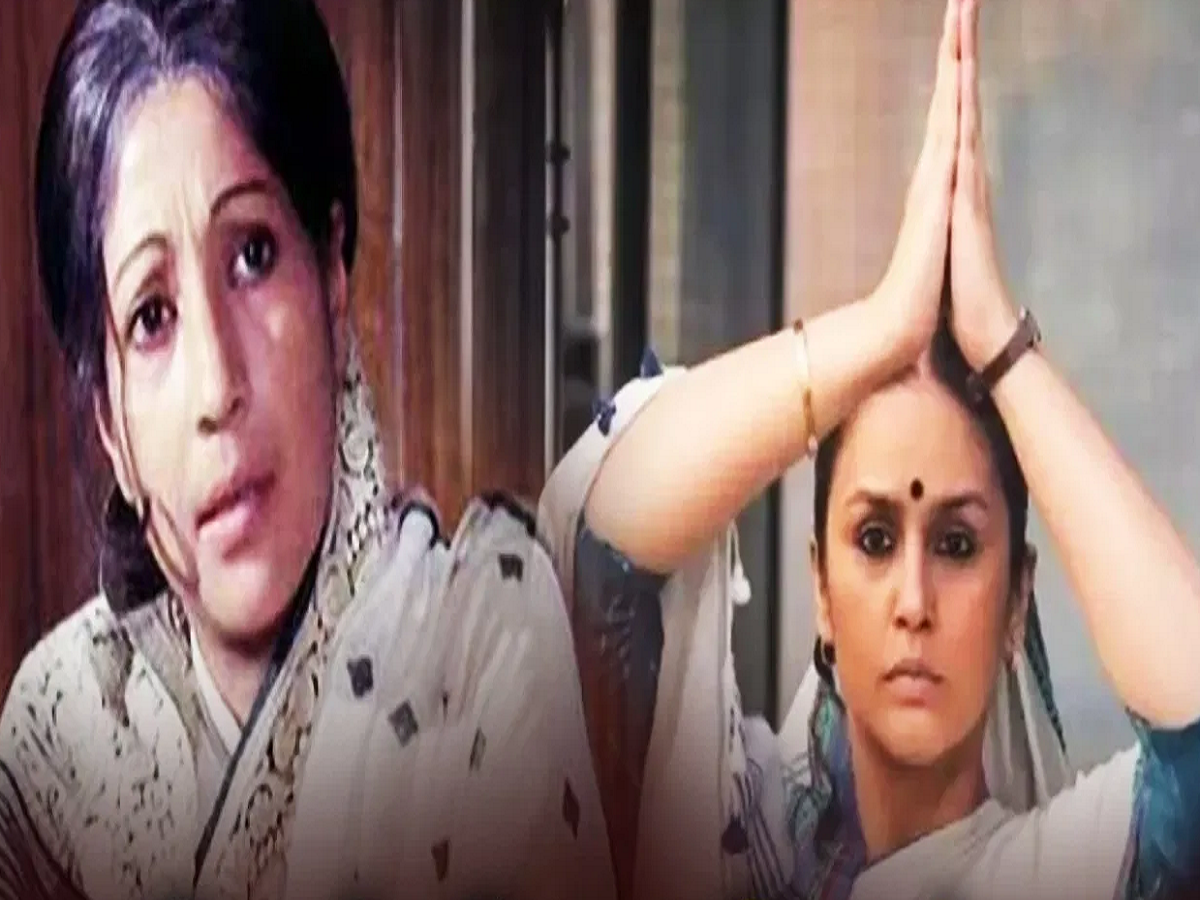
The portrayal of women in politics on the silver screen has undergone a remarkable transformation over the years, reflecting both societal realities and evolving narratives in cinema. One of the most striking modern examples is the web series Maharani, where Huma Qureshi plays Rani Bharti. At the beginning of the story, she finds herself surrounded by men in positions of power and refers to the system as a “mardana sarkar,” highlighting the deeply male-dominated nature of politics. Initially placed in power as a mere figurehead, she struggles to navigate the complexities of governance while balancing personal responsibilities. However, as the narrative unfolds, she evolves into a confident and capable leader, challenging the very system that once tried to control her.
This journey is not purely fictional, as it mirrors the real-life struggles and achievements of influential women leaders like Indira Gandhi, J. Jayalalithaa, Mayawati, and Sushma Swaraj. Their journeys through political resistance and leadership have significantly influenced how female politicians are depicted in films and series. Cinema, in many ways, has drawn from these realities while also shaping public perception.
In earlier decades, the portrayal of women in politics often revolved around the conflict between ambition and personal life. A classic example is Aandhi, directed by Gulzar, where Suchitra Sen played a politically ambitious woman whose journey is influenced by emotional and societal pressures. Such narratives often showed women as strong yet constrained by relationships and expectations. However, this perspective began to change in the late 1980s and 1990s, when films started portraying women as more assertive and independent political figures. In Pratighat, Sujata Mehta played a character who takes a stand against injustice, while Godmother featured Shabana Azmi in a powerful role inspired by real-life crime and politics, showcasing a woman who commands authority rather than being overshadowed by it.
In the modern era, the representation of women in political narratives has become even more layered and dynamic. Films like Raajneeti, where Katrina Kaif transitions into a strong political figure, and Revolver Rani, featuring Kangana Ranaut as an aggressive and unconventional leader, highlight this shift. Similarly, Madhuri Dixit in Gulaab Gang and Richa Chadha in Madam Chief Minister portray women who challenge systemic oppression, while Alia Bhatt in Gangubai Kathiawadi represents the voice of marginalized communities stepping into positions of influence.
Over time, the evolution of these characters reflects a broader societal change. Earlier portrayals often depicted women as symbolic participants in a male-dominated system, but contemporary narratives present them as strategic thinkers, decision-makers, and powerful leaders. The shift from dependency to dominance and now to complexity shows how storytelling has matured alongside changing social realities. Ultimately, these portrayals reinforce an important idea that women are not just participants in politics but are fully capable of leading, transforming, and redefining it on their own terms.