LIFESTYLE
Why do blood clots form during periods? Can repeated clots be fatal? Learn about ways to reduce blood clots
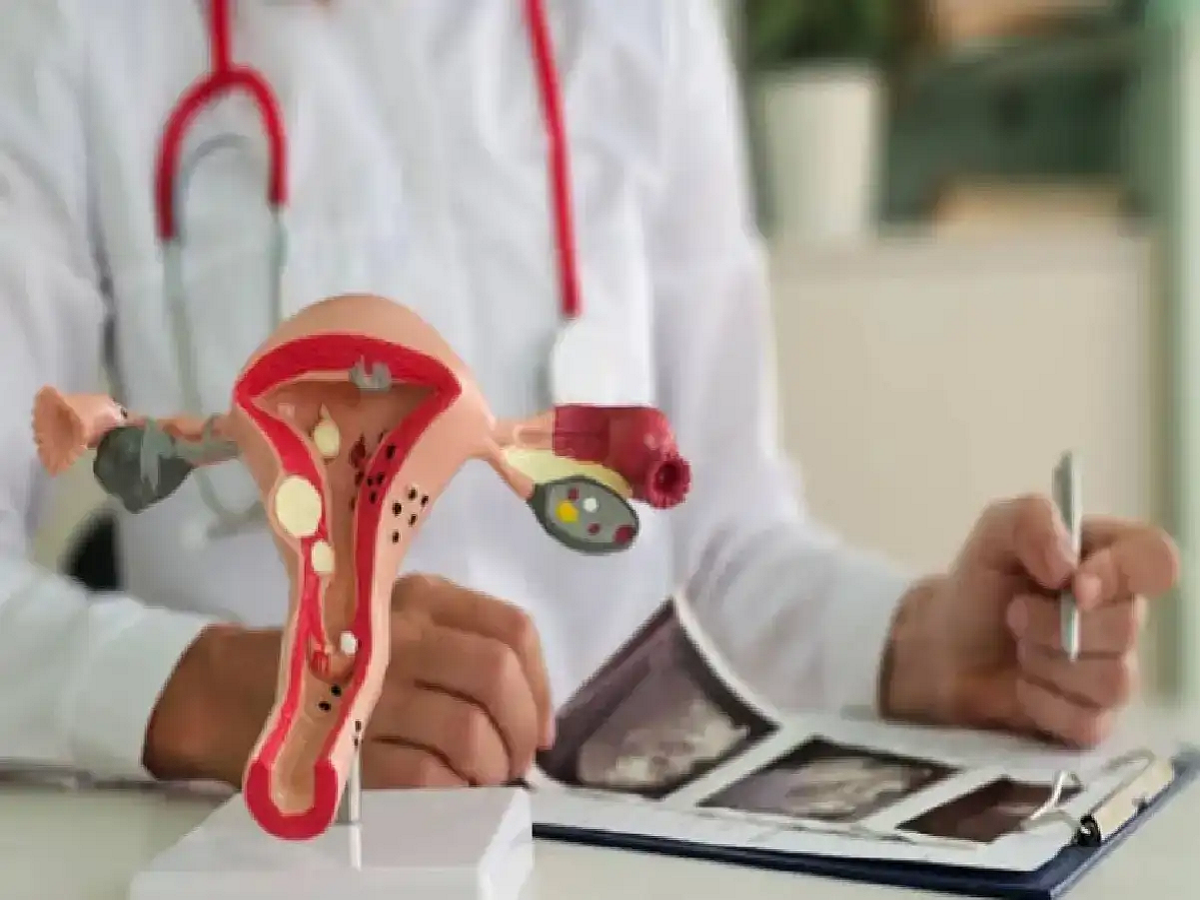
All women face physical and mental problems after their periods. The formation of small blood clots during periods is a very common problem. These clots are formed from blood, tissue, and protein when the lining of the uterus is shed. However, repeated large clots, excessive bleeding, severe pain, or periods lasting more than 7 days require timely treatment without ignoring them. Due to the hectic work schedule, women do not pay proper attention to their bodies. Repeated neglect can lead to serious and serious health problems, which can harm their overall health.
Uterine fibroids, endometriosis, hormonal imbalances, or other diseases can increase the risk of blood clots during menstruation. The inner lining of the uterus sheds during menstruation. However, to prevent excessive bleeding, the body produces a factor called procoagulants, which helps in easy passage of menstrual blood. Today, we will explain why blood clots form during menstruation. What measures should be taken to reduce blood clots? We will explain this in detail. If you adopt these measures, you will not face any problems during your menstruation.
Blood clots during menstruation are a very common problem. However, if you experience blood clots during your period, it's not a symptom. Blood clots are more likely to form if you have uterine fibroids, chronic diseases of the uterine lining, hormonal imbalances, thyroid disorders, bleeding disorders, anemia, or a rare disease. Pregnancy complications pose a risk to women's health.
Lifestyle for a Healthy Period Cycle:
To prevent anemia due to excessive bleeding, include green leafy vegetables, grains, pulses, dry fruits, and protein. Additionally, drink plenty of water to maintain hydration. Also, consume nutrients to maintain weight control. Do light physical exercise or yoga daily. Physical activity helps digest food properly. If you suffer from a serious illness like thyroid, PCOS, or anemia, you should seek proper treatment under the advice of a doctor.
PC: Rochak Khabre