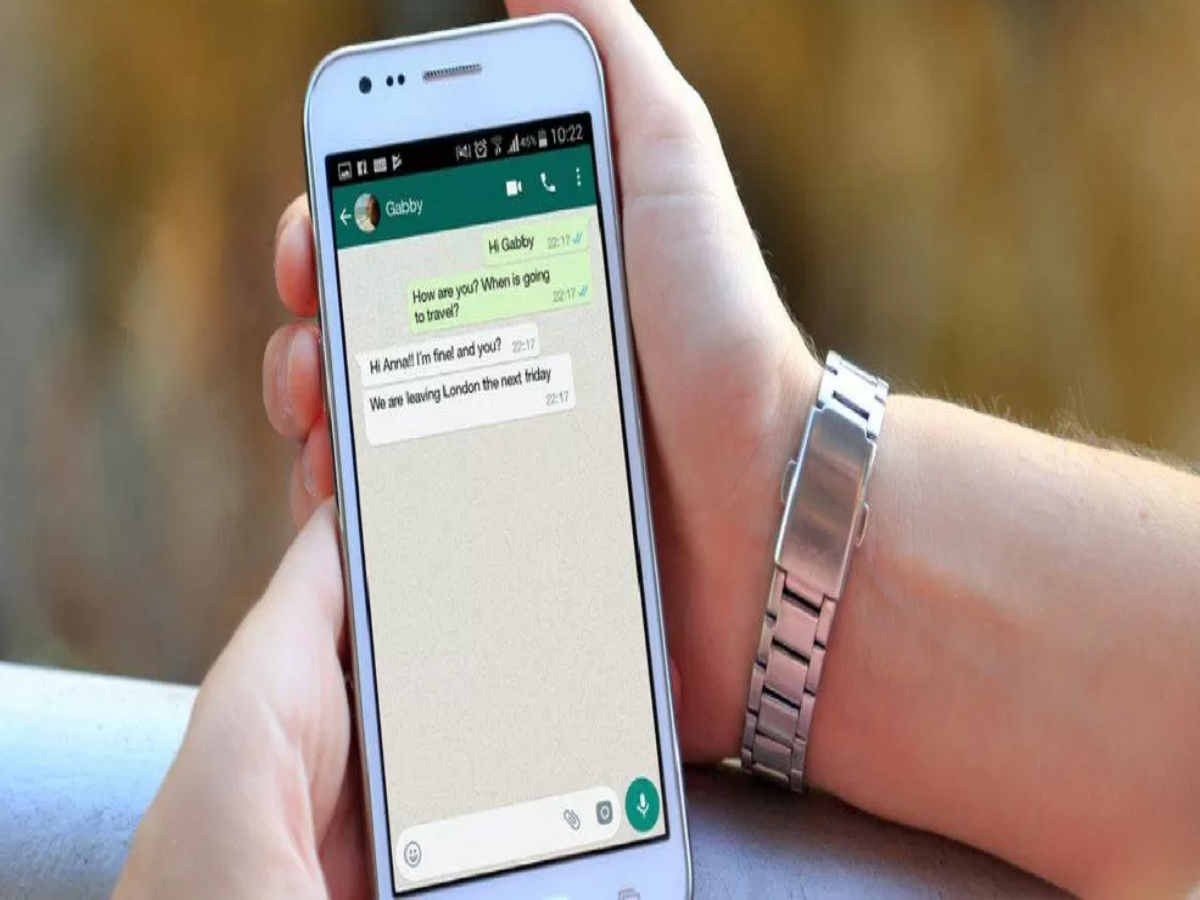
In a significant relief for users, WhatsApp and Telegram will continue to function without an active SIM card for now, as the Government of India has postponed the implementation of SIM-binding guidelines. The Department of Telecommunications (DoT) has extended the deadline for compliance until December 31, delaying a rule that was initially scheduled to come into effect on March 30.
Under the proposed SIM-binding framework, messaging platforms would have been required to ensure that their services remain linked to an active SIM card installed in the user’s device. This would have meant that apps like WhatsApp and Telegram would stop functioning if the SIM was removed. Additionally, web versions of these platforms were expected to automatically log out within six hours in the absence of an active SIM connection.
However, due to technical challenges and concerns raised by major industry players, the government has decided to defer the rollout. Notably, Apple had opposed the implementation of SIM-binding requirements, citing technical limitations and potential user experience issues. As a result, messaging services will continue to operate as they currently do, including uninterrupted access to web versions.
The SIM-binding directive was originally issued by the DoT on November 28, 2025, with the aim of addressing security vulnerabilities. Authorities noted that cybercriminals have been exploiting the ability of messaging apps to function even after a SIM card is removed, enabling large-scale and often cross-border digital fraud.
To curb such misuse, the government had instructed app-based communication platforms to link user accounts strictly to active SIM cards and ensure compliance within a set timeline. While the objective remains to enhance digital security, the postponement indicates that more time is needed for companies to adapt their systems to the new requirements.