With the arrival of summer, watermelons flood the markets, offering a refreshing way to stay hydrated. Known for their high water content and natural sweetness, they are a seasonal favorite. However, not all watermelons available today are safe. Increasing cases of chemically ripened or adulterated fruits have raised concerns about food safety.
The Growing Concern of Adulteration
In the race for higher profits, some sellers use artificial methods to enhance the appearance and sweetness of watermelons. Chemicals like artificial dyes (such as erythrosine), sweeteners like saccharin, and ripening agents are sometimes injected or applied. These substances can pose serious health risks if consumed regularly. Even food authorities like FSSAI have warned against such practices.
How to Identify Chemically Treated Watermelon
Unnaturally Bright Red Color
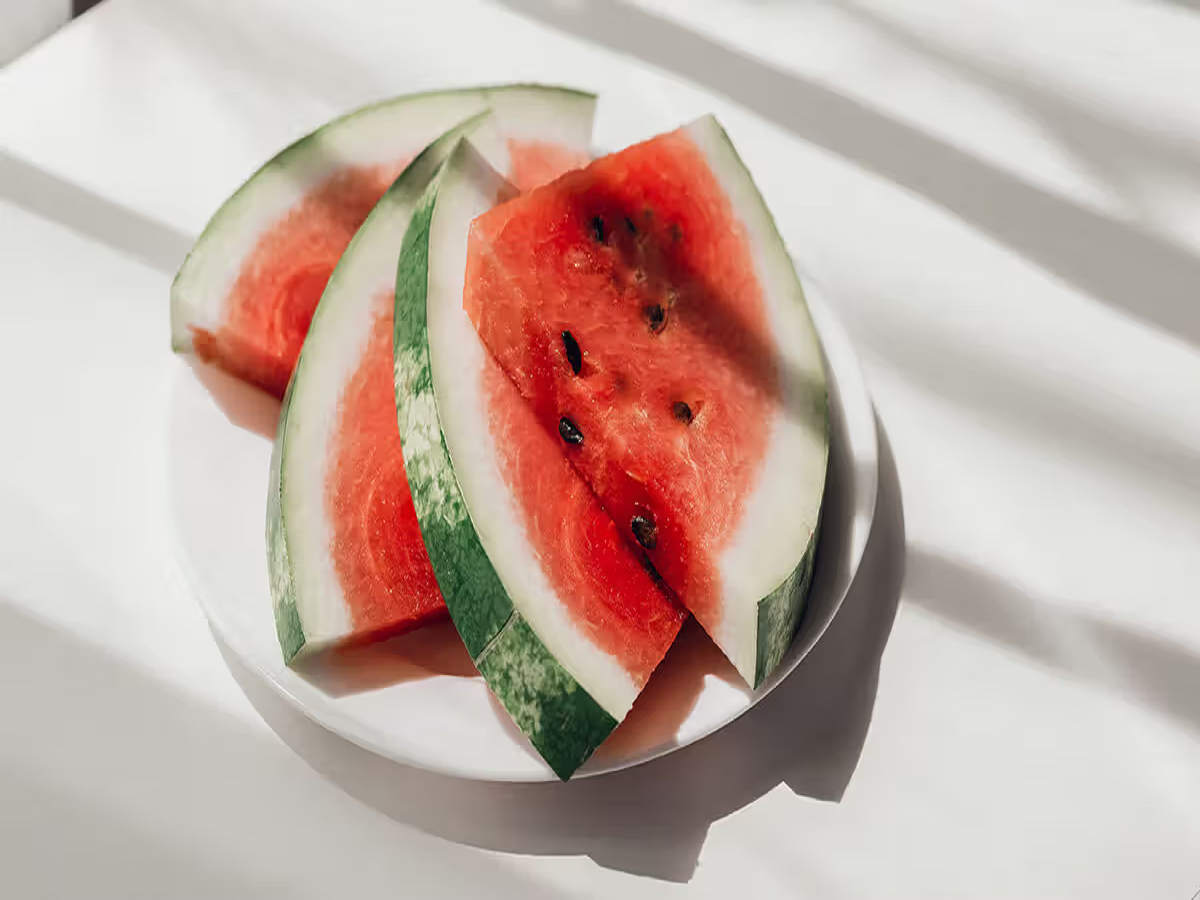
A natural watermelon usually ranges from light pink to deep red. If the flesh appears excessively bright or unnaturally red, it could be a sign of artificial coloring.
Presence of White or Yellow Streaks
After cutting the fruit, look for unusual white or yellow streaks inside the pulp. These streaks may indicate chemical injection or artificial sweetening.
Taste and Texture Differences
Naturally ripened watermelon tastes fresh, juicy, and mildly sweet. Chemically treated ones may taste bland, overly sweet, or even slightly bitter, with an unnatural texture.
Water Test at Home
Place a small piece of watermelon in a bowl of water. If the water turns pink or red, it suggests the presence of artificial color.
Seed and Pulp Pattern
In a natural watermelon, seeds are evenly distributed and the pulp looks consistent. If seeds are sparse or the texture appears uneven, it could be a sign of adulteration.
Health Risks of Chemical Watermelon
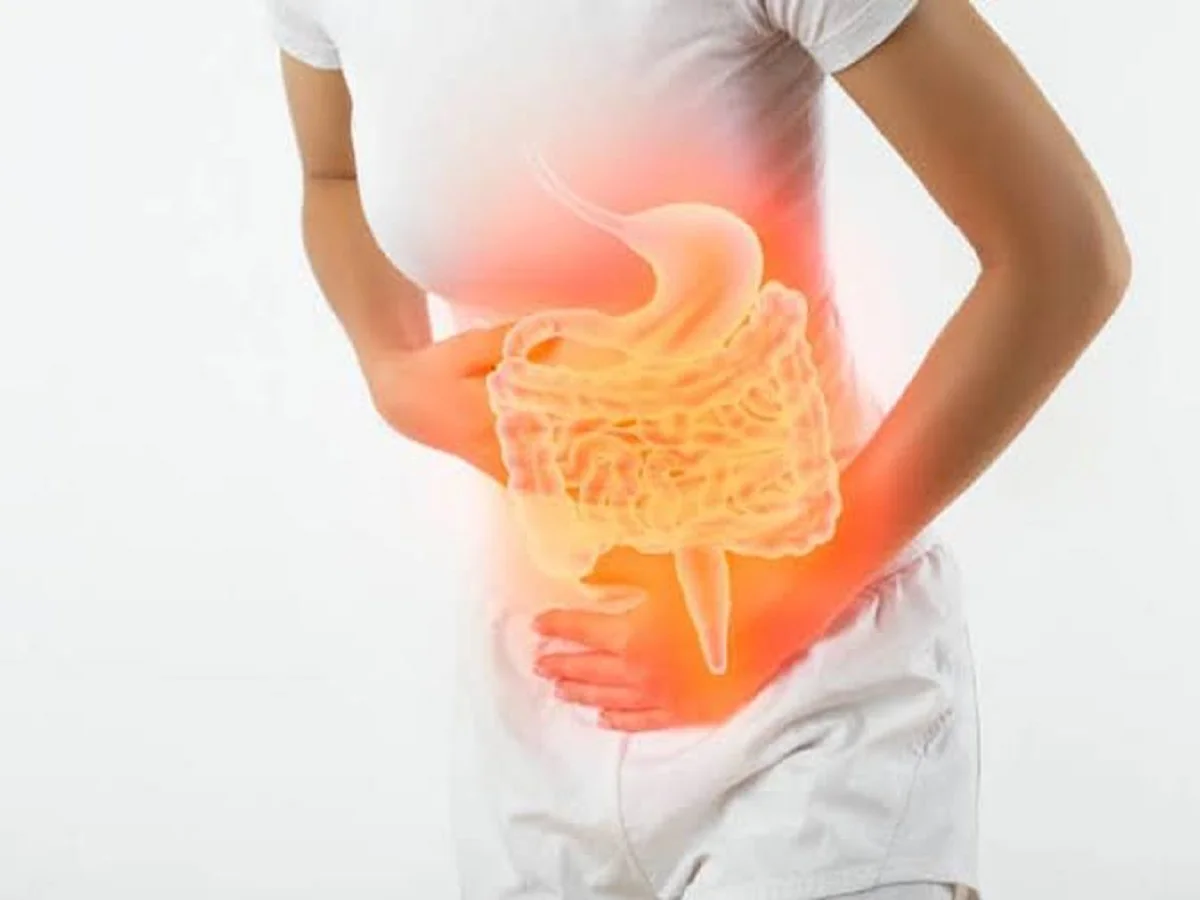
Consuming chemically treated fruits can lead to digestive issues, allergic reactions, and long-term health problems. Artificial colors and chemicals may also affect internal organs if consumed frequently.