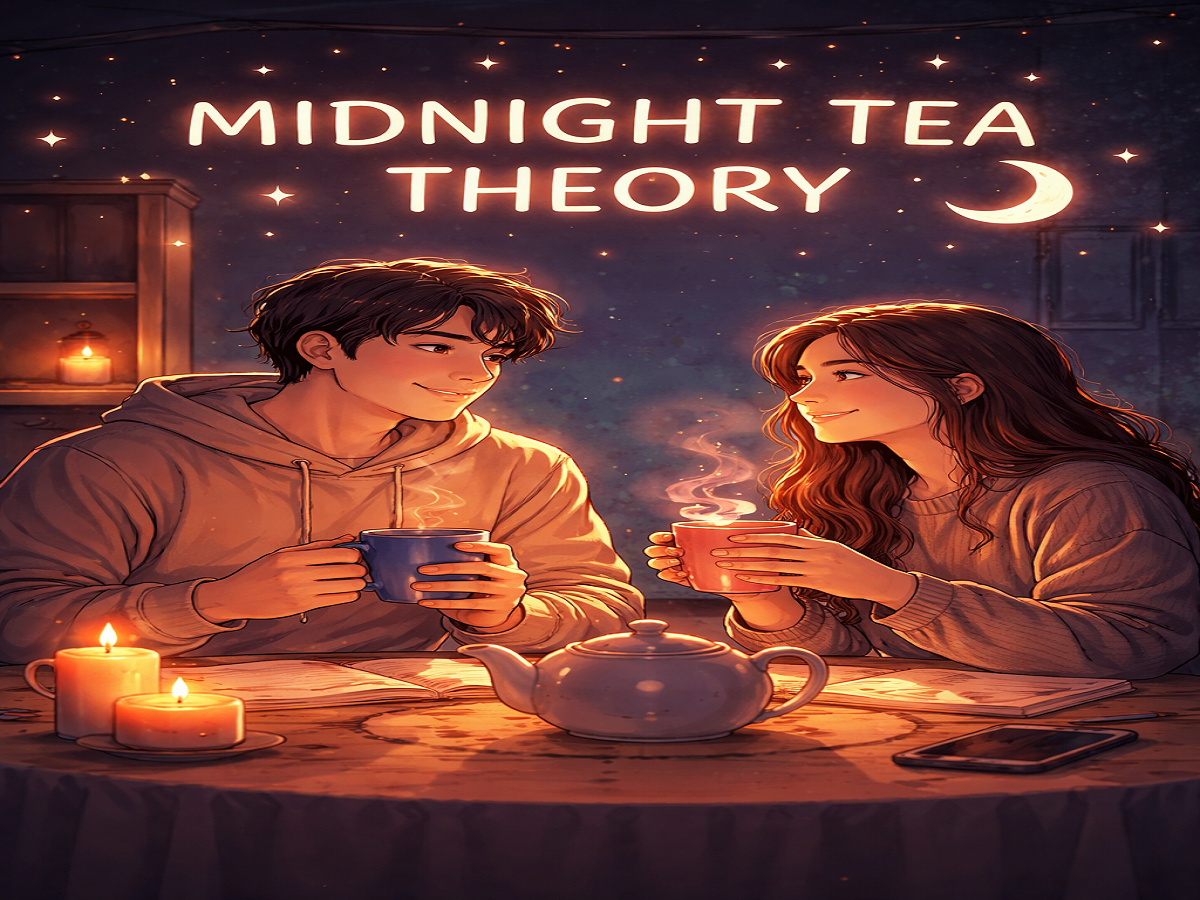
In a world driven by schedules, deadlines and constant connectivity, a peculiar idea has quietly gained attention online—the “Midnight Tea Theory.” According to this bizarre yet strangely relatable concept, conversations held after 2 AM feel deeper, more honest, and even… better.
While it may sound like late-night imagination at work, many claim there is something uniquely different about human interaction during these hours.
What Is the Midnight Tea Theory?
The theory suggests that after 2 AM, people tend to drop their social filters. Whether it’s over a cup of tea, coffee, or just a phone call, conversations become more genuine, emotional, and sometimes unexpectedly profound.
Supporters of the idea argue that it’s not the beverage—but the timing—that changes everything.
Why Do Late-Night Conversations Feel Different?
Several unusual yet plausible explanations have been floated:
- Mental Fatigue Reduces Filters:
By late night, the brain is too tired to maintain social pretence, making people more honest. - Silence Amplifies Thoughts:
With fewer distractions, thoughts feel louder and more meaningful. - Emotional Vulnerability Peaks:
People are more likely to open up about fears, dreams, and insecurities. - No Immediate Consequences:
At 2 AM, decisions and words feel less “real,” encouraging freer expression.
The ‘Tea Effect’—Myth or Psychology?
Some even claim that tea tastes better at night, enhancing the experience. While there’s no scientific proof, psychologists suggest it could be a sensory illusion—where mood influences taste perception.
In simpler terms, when you feel calm or connected, everything—including tea—feels better.
Strange but Widely Shared Experiences
Across social media, users have shared oddly similar stories:
- Rekindling old friendships during late-night chats
- Making life decisions that seemed clearer at night
- Feeling a stronger emotional bond with people
Interestingly, many also report forgetting the intensity of those conversations the next morning.
Is It Healthy or Harmful?
Experts warn that while such moments can feel meaningful, relying on late-night emotional clarity may not always be reliable. Sleep deprivation can distort judgment, making things seem more intense than they actually are.