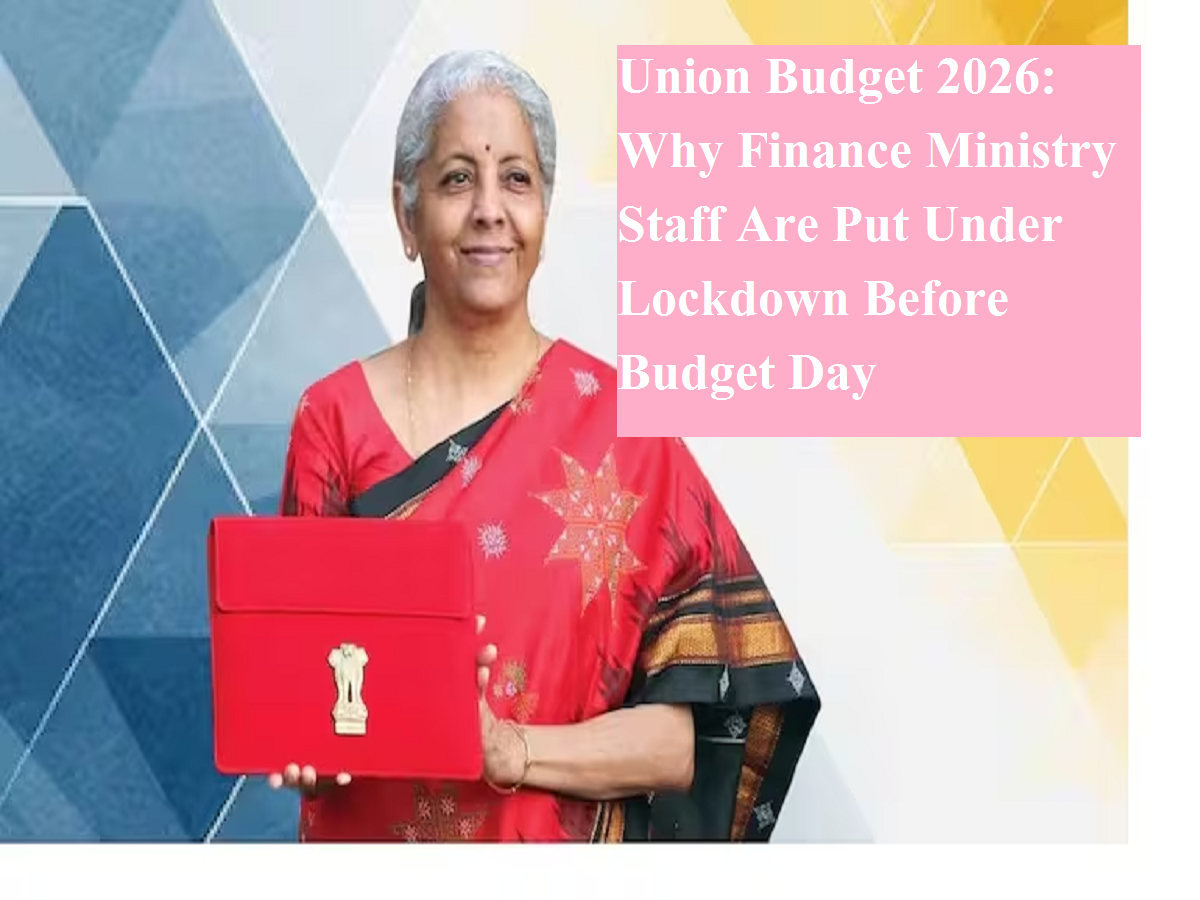
As the country prepares for the Union Budget 2026, which will be presented on February 1, 2026, a lesser-known but highly significant tradition once again comes into focus. While the nation waits for tax announcements and policy decisions, a strict and confidential process quietly unfolds inside the North Block of the Finance Ministry—one that involves isolating key officials from the outside world.
This practice, often referred to as the “lock-in period,” begins after a symbolic event known as the Halwa Ceremony. But why are government employees restricted from going home, using phones, or contacting anyone during this time? The answer lies in safeguarding the country’s most sensitive financial information.
What Is the Halwa Ceremony and Why Does It Matter?
The Halwa Ceremony is a long-standing ritual conducted at the Finance Ministry in North Block. During this event, a large batch of traditional Indian halwa is prepared in a massive cauldron. The Finance Minister personally attends the ceremony and serves the halwa to officials and staff involved in drafting the budget.
This is not merely a celebratory gesture. The ceremony marks the formal conclusion of budget drafting and signals that all major policy decisions, revenue estimates, tax proposals, and expenditure allocations have been finalized.
Why Is the Halwa Ceremony Considered So Important?
Once the Halwa Ceremony is completed:
-
No major policy or numerical changes are allowed
-
Only minor technical corrections can be made
-
Budget documents are considered final
It also serves as an acknowledgment of the intense work carried out by officers who have spent months working on economic projections and policy frameworks.
What Is the Budget Lock-In Period?
Immediately after the Halwa Ceremony, the lock-in period begins. During this phase:
-
Officials and staff associated with the budget remain inside North Block
-
They are not allowed to return home
-
Contact with family members and outsiders is prohibited
-
Mobile phones, internet access, emails, and all communication devices are disabled
This isolation continues until the Finance Minister presents the budget in Parliament.
Why Is Such Strict Isolation Necessary?
The Union Budget contains extremely market-sensitive information, including:
-
Tax rate changes
-
Subsidy allocations
-
Government spending plans
-
Sector-wise budgetary support
If even a small portion of this information is leaked prematurely, it could:
-
Disrupt stock and commodity markets
-
Enable insider trading
-
Lead to unfair financial gains for select individuals
To prevent any such misuse, the government ensures absolute secrecy through physical isolation and surveillance.
When Did This Practice Begin?
This tradition dates back to 1950, when details of the budget were leaked before its official presentation. The incident raised serious concerns over financial security and market manipulation.
Following this episode, the government introduced:
-
The lock-in system
-
Enhanced physical security
-
Restricted communication protocols
Since then, the practice has been strictly followed every year.
A Balance of Tradition and Security
The Halwa Ceremony symbolizes a sweet beginning to the final stage of budget preparation, while the lock-in period represents discipline, confidentiality, and responsibility. Together, they reflect how India balances tradition with modern financial governance.
While citizens focus on budget benefits and announcements, behind the scenes, hundreds of officials quietly ensure that the process remains fair, secure, and leak-proof.