INTERNATIONAL
Trump’s Venezuela Oil Deal Puts China on Alert: Why America’s Growing Influence Could Change the Global Energy Game
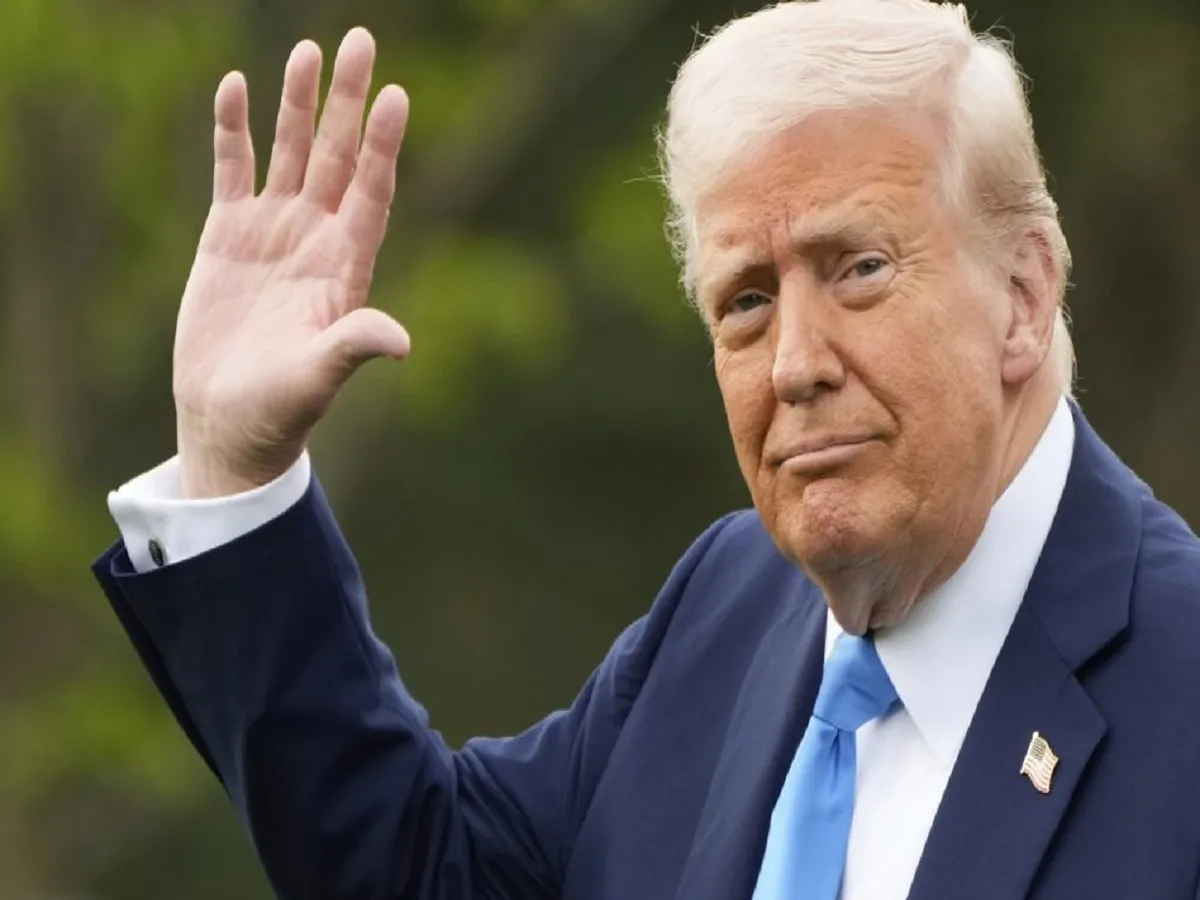
US President Donald Trump has announced a major oil agreement involving Venezuela, calling it one of the biggest oil deals in the world. The agreement is expected to give US interests greater control over a significant portion of Venezuela’s enormous oil resources.
The development could bring billions of dollars in investment into Venezuela’s struggling energy sector and potentially improve the country's financial situation. However, the deal could also have major geopolitical consequences, particularly for China, which has developed strong energy ties with Venezuela in recent years.
Venezuela Has the World’s Largest Oil Reserves
Venezuela is believed to have the largest proven crude oil reserves in the world, with estimates putting its underground reserves at around 303 billion barrels.
According to the US Energy Information Administration, Venezuela accounts for roughly 17% of global oil reserves.
Despite possessing such enormous resources, the country has struggled to turn its reserves into large-scale production. Aging infrastructure, underinvestment and other challenges have limited its ability to increase output.
As a result, Venezuela currently contributes only a small share of global oil production despite having more crude reserves than any other country.
What Does the US-Venezuela Deal Include?
Under the announced agreement, US interests are expected to gain control over oil resources equivalent to approximately 65 billion barrels, or around one-fifth of Venezuela's total reserves.
The plan reportedly involves the development of 17 oil fields, potentially bringing around $100 billion of investment into Venezuela's oil industry.
For Venezuela, the financial benefits could be substantial. The country is projected to generate more than $209 billion in tax revenue over the course of the development.
In addition to government revenue, increased oil activity could create jobs and stimulate industries connected to energy, transportation, construction and other sectors.
America May Have to Wait for the Benefits
While the agreement gives the US greater influence over Venezuelan oil, it doesn't mean Americans will immediately get cheaper fuel.
Venezuela's oil infrastructure has suffered from years of inadequate investment and maintenance. Restoring damaged facilities, upgrading equipment and significantly increasing production would require years of work and billions of dollars in investment.
Reports suggest that US interests could potentially work with private companies to establish a new entity in Venezuela. Such a company could receive long-term rights to develop oil fields.
Some of the oil produced could eventually be directed toward rebuilding the US Strategic Petroleum Reserve and meeting other American energy requirements.
Why Is China Worried?
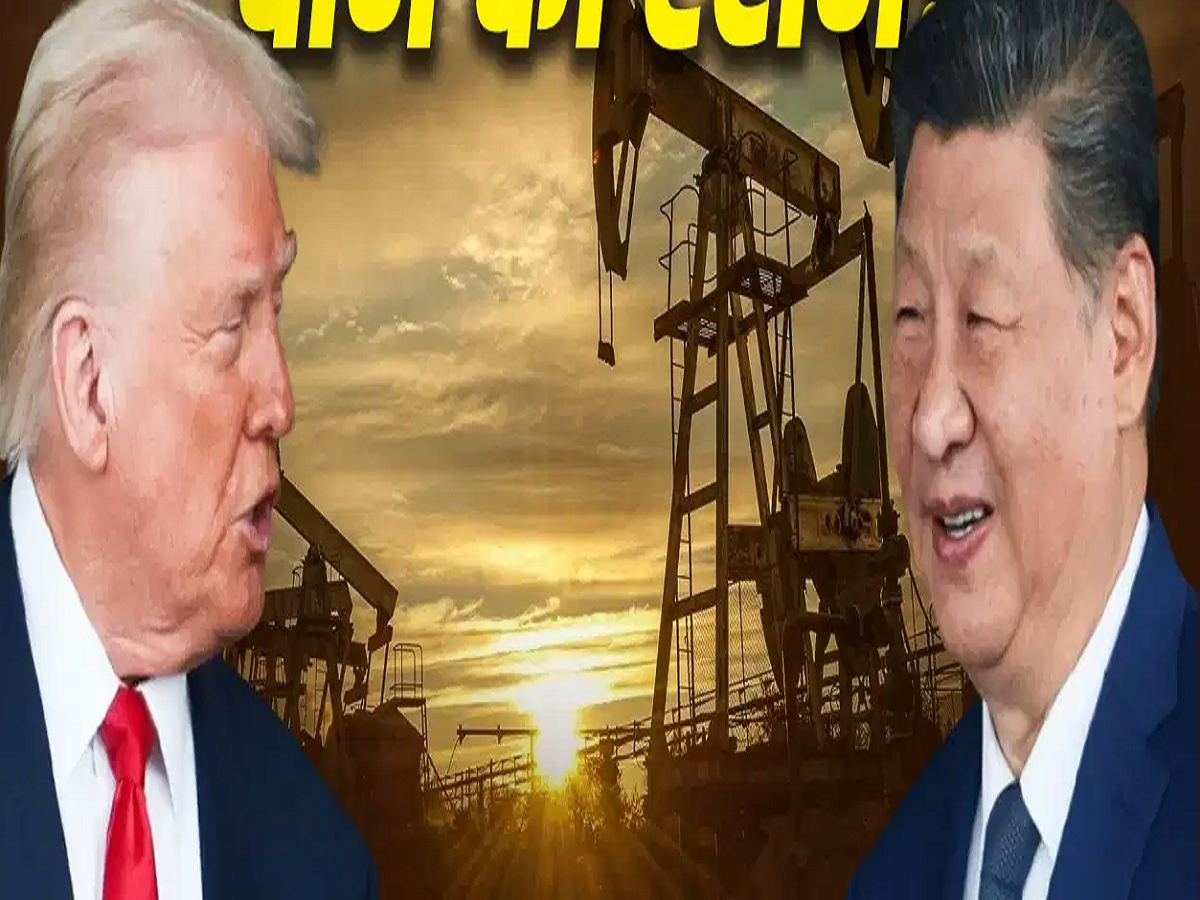
China could be one of the biggest geopolitical losers if Venezuela's oil trade shifts significantly toward the United States.
Venezuela currently produces less than one million barrels of oil per day, representing less than 1% of global production. The country exports a significant portion of its output, with China becoming an increasingly important destination.
According to Reuters, Venezuelan oil shipments to China averaged more than 600,000 barrels per day in December 2025, accounting for roughly 4% of China's total oil imports.
A major shift in Venezuela's oil relationships could therefore weaken an important source of energy for China.
The Bigger Geopolitical Picture
The significance of the agreement goes beyond oil.
For years, Venezuela and China have built a close economic and energy relationship. Greater US influence over Venezuelan oil production and exports could change that balance.
If American companies gain a stronger position in Venezuela's energy industry, Washington could acquire greater influence over the country's future oil exports. That could eventually give the US another strategic lever in its competition with China.
At the same time, Venezuela could benefit from much-needed investment and increased oil production, provided the ambitious plans can overcome the country's infrastructure and economic challenges.
More Than an Oil Deal
The Venezuela agreement is therefore not simply about increasing oil production. It could reshape Venezuela's economy, America's energy strategy and China's access to Venezuelan crude.
The real impact will depend on how quickly Venezuela's oil infrastructure can be rebuilt and how much production the new investment can ultimately bring online. If output rises substantially, the deal could become an important development in the global energy and geopolitical landscape.