The number of diabetes cases is rising globally, and a recent WHO report shows that between 1990 and 2022, the prevalence of diabetes nearly doubled to around 14 percent. Winter can make sugar management even more challenging, as cold weather and seasonal infections increase stress on the body, affecting insulin function and causing blood glucose levels to rise more easily.
When sugar levels shoot up in winter, diabetics may experience noticeable symptoms such as fatigue and low energy because the body struggles to use excess glucose effectively. They may also feel unusually thirsty and need to urinate frequently, as the body tries to flush out excess sugar. Headaches, dizziness, and blurred vision can also occur. Seasonal infections like colds or the flu complicate matters further, as the body releases stress hormones during illness, which tend to increase blood glucose levels even more.
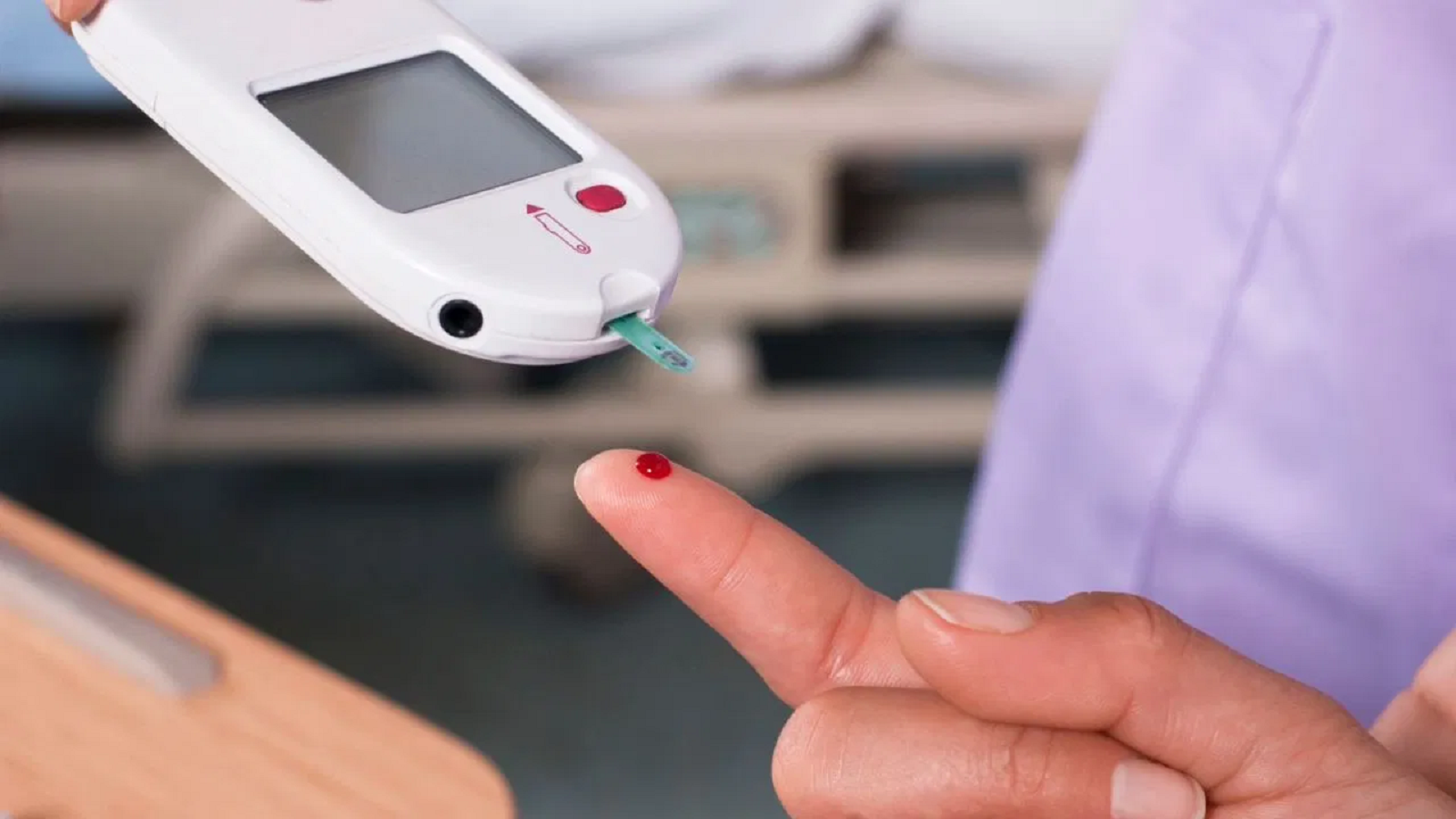
Dr. Subhash Giri from the Department of Medicine at RML Hospital shares a few simple but effective ways to keep sugar levels under control during winter. The first step is to monitor blood sugar regularly, as temperature changes can cause sudden fluctuations. Since stepping outdoors becomes difficult in the cold, light indoor exercises such as yoga, stretching, or walking are helpful and easy to maintain. A balanced diet is essential, with a focus on proteins, high-fiber vegetables, and fewer refined carbohydrates to prevent abrupt spikes in glucose levels.
Stress management is equally important, and practices like meditation or deep breathing can help keep sugar levels stable. Getting adequate sleep and maintaining a consistent sleep routine also support better glucose control. Those who rely on insulin or diabetes medications should consult their doctor during winter, as dosage adjustments may sometimes be needed based on the body’s response to cold weather. Additionally, preventing infections by maintaining hygiene, wearing warm clothing, and getting vaccinated when required can help avoid complications.
To stay safe during winter, it’s important to keep monitoring blood sugar, continue light indoor physical activity, eat a nutritious balanced diet, manage stress, sleep well, maintain hygiene, and adjust medication doses only under medical guidance.