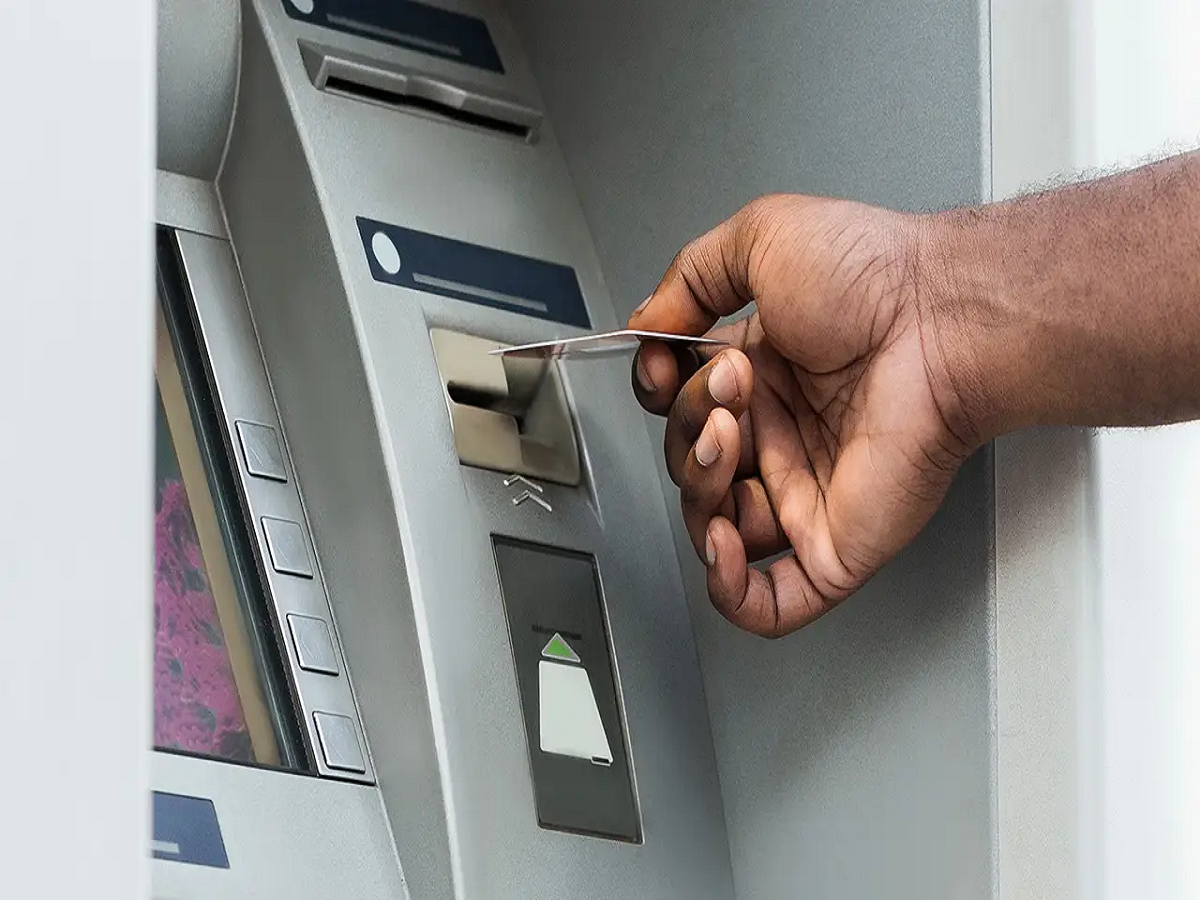
At exactly 3:17 a.m. on a perfectly ordinary Tuesday, something strange began happening across the city. People who walked up to ATMs expecting cash were instead greeted with questions.
Not error messages. Not maintenance notices. Actual questions.
“Are you happy with how your life is going?”
“Do you really need this money right now?”
“When was the last time you called your parents?”
Most users assumed it was a prank or a software glitch. A few nervously pressed “Cancel” and walked away. But others, especially night-shift workers and insomniacs, stood there staring at the screen, unsure what to do next.
Withdrawal Denied Due to Emotional Instability
Those who tried to withdraw cash without answering were met with a blunt response:
“Transaction declined. Reason: Emotional ambiguity.”
If a user selected “I don’t know” or skipped too many questions, the machine politely suggested taking a short walk, drinking water, or “reconsidering recent life choices.” One ATM reportedly offered a breathing exercise before proceeding.
Surprisingly, people who answered honestly often got rewarded. A cab driver who admitted he was exhausted but hopeful received his cash along with a message:
“Approved. You’re doing your best.”
Panic, Confusion, and Unexpected Honesty
Banks were flooded with complaints by morning. Customer care executives insisted nothing unusual was happening and blamed “temporary interface updates.” But by then, social media was already full of photos and videos showing ATMs asking about failed relationships, career regrets, and unrealized dreams.
Psychologists were confused. Technologists were baffled. Philosophers were delighted.
One user claimed an ATM refused to give him money after he answered “yes” to the question:
“Do you often spend to fill an emotional void?”
The Machines Knew Too Much
By evening, the questions became even more specific.
“Why do you still follow people you dislike?”
“Do you measure success by your bank balance?”
“If money disappeared tomorrow, who would you be?”
Some machines allowed withdrawals only after users typed at least one complete, thoughtful sentence. Typos were forgiven. Dishonesty was not.
Multiple users reported that lying caused the screen to go blank for exactly ten seconds, as if the machine was disappointed.
And Then, Just Like That, It Stopped
At midnight, all ATMs reverted to normal. No explanation. No apology. No acknowledgment from any bank or authority.
But something had changed.
Several users said they withdrew less cash than usual. Some didn’t withdraw at all. One person reportedly went home and finally sent a message they had been avoiding for years.
The next morning, ATMs stood silent again—cold, efficient, and emotionless.
Which raised an unsettling question:
If a machine asking honest questions for one day could make people pause, reflect, and rethink…
what does that say about the rest of the days when it doesn’t?