LIFESTYLE
Somewhere Nathuli, Somewhere Shankh Pola: Traditional Bridal Jewellery Worn Across Indian States
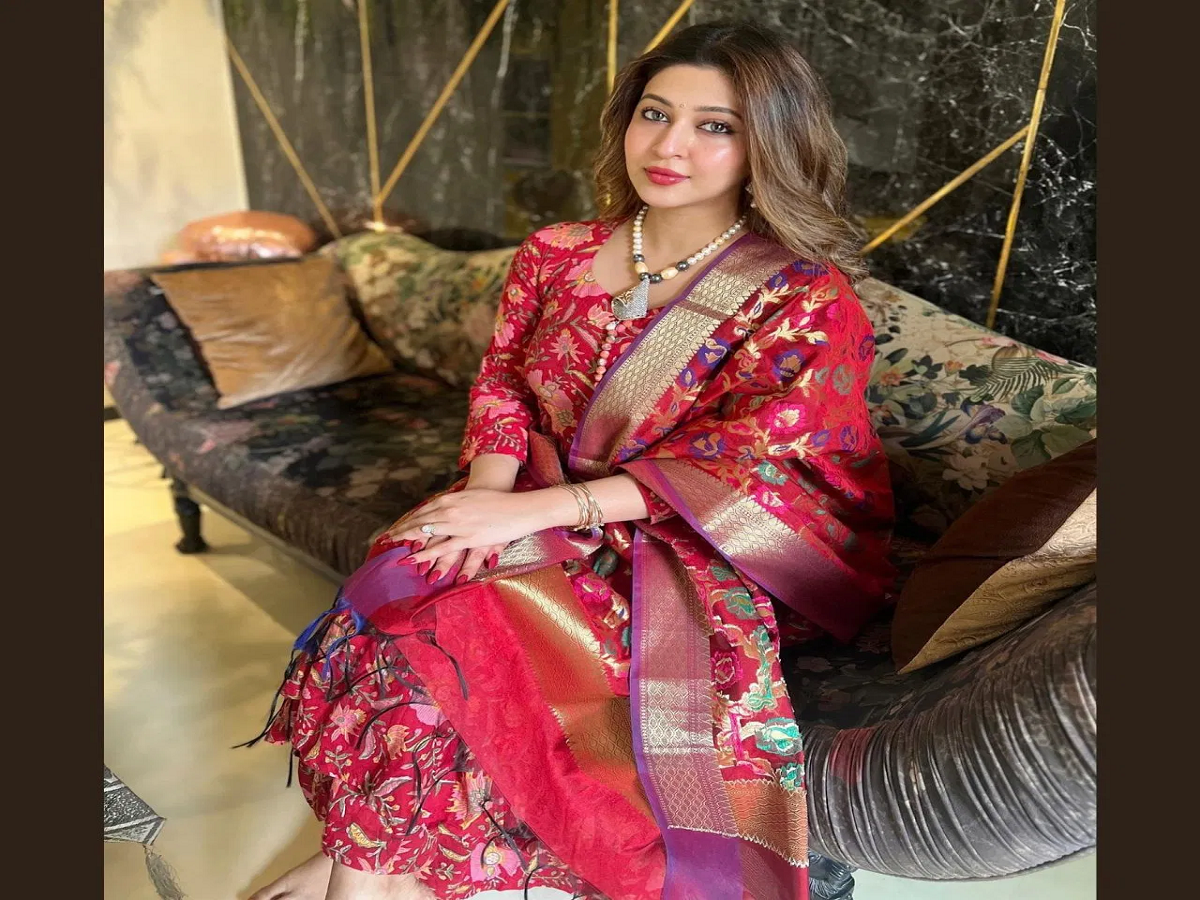
In a country as diverse as India, marriage is not merely the union of two individuals—it is a celebration of heritage, rituals, and cultural identity. Every state and community follows its own customs, which are beautifully reflected in wedding ceremonies. Among all these traditions, a bride’s adornment holds special emotional and cultural value.
The traditional jewellery worn with a red saree or lehenga does more than enhance beauty—it symbolises the beginning of a new life, marital status, prosperity, and blessings. Across India, brides are required to wear specific ornaments, each carrying deep religious, social, and cultural significance. While in some regions a nose ring signifies marital bliss, in others bangles or waistbands are considered essential for a happy married life.
Let’s take a look at the traditional bridal jewellery worn in different Indian states and what they represent.
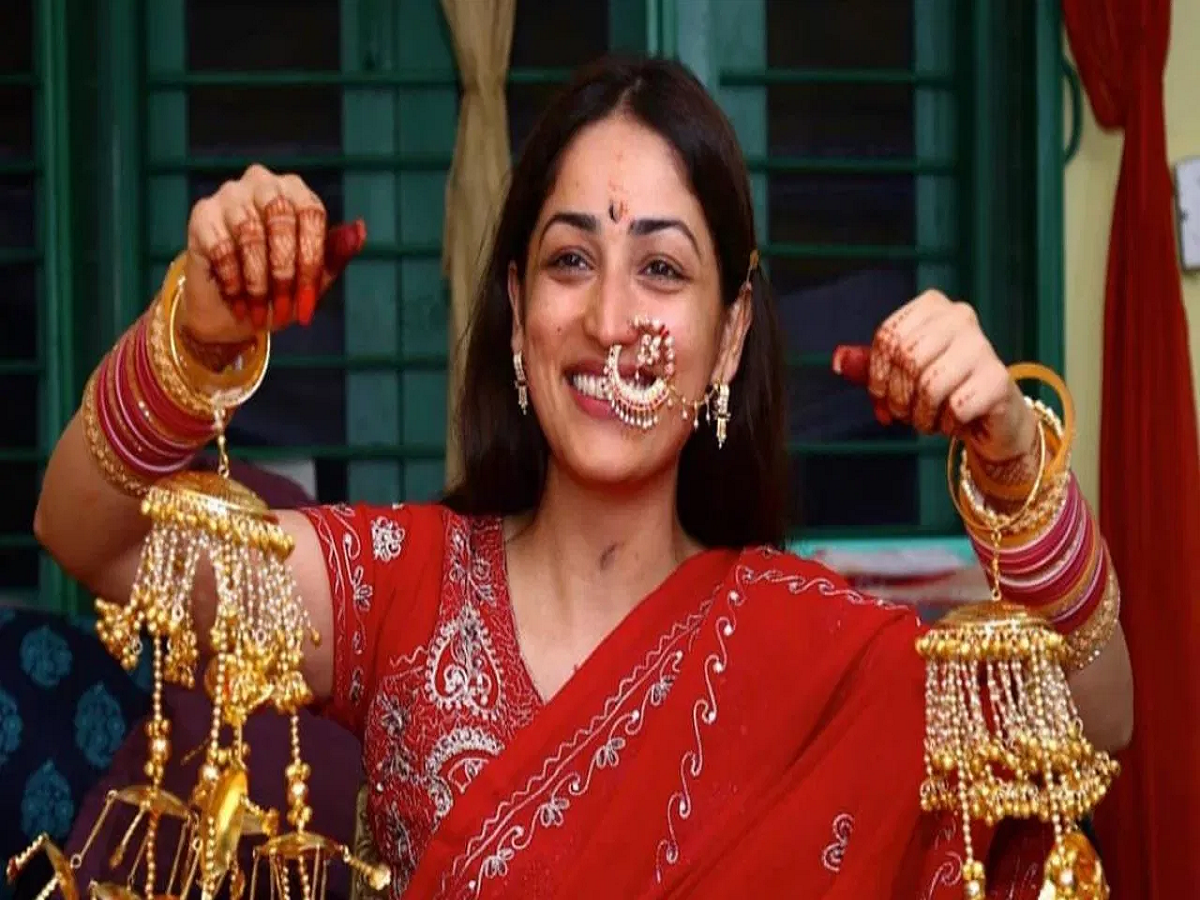
Uttarakhand: Nathuli, the Pride of Hill Brides
Uttarakhand brides are known for their simplicity and elegance. Light makeup, traditional saris, and minimal jewellery define their bridal look. However, their adornment is considered incomplete without the Nathuli—a large, circular nose ring.
The Nathuli is believed to symbolise marital bliss, prosperity, and good fortune. Brides wear it on their wedding day, and married women continue to wear it during festivals and other auspicious occasions, making it a lasting symbol of their married life.
West Bengal: Shankh Pola, Symbol of Married Life
Bengali brides are instantly recognisable in their red-and-white saris, traditional headgear, and distinctive rituals. One of the most important elements of their bridal jewellery is Shankh Pola.
These white and red bangles—made from conch shell and coral—are considered extremely auspicious. They symbolise marital happiness, longevity, and protection. Bengali women wear Shankh Pola not only on their wedding day but also regularly after marriage.
Tamil Nadu: Odianam, the Golden Waistband
In Tamil Nadu, a bride’s jewellery set is incomplete without the Odianam, also known as a kamarbandh. This gold waist belt is a signature ornament of South Indian brides.
The Odianam symbolises prosperity, strength, and feminine power. It also enhances the drape of the traditional silk saree, adding grace and grandeur to the bridal look.
Kashmir: Dejhor, A Sacred Ornament
Kashmiri Pandit brides wear a unique and meaningful piece of jewellery called Dejhor. This ornament consists of long, dangling earrings suspended from gold chains.
The Dejhor symbolises the marital bond, responsibility, and the bride’s transition into married life. Women continue to wear it even after marriage on special and religious occasions.
Punjab: Chooda, the Red and White Bangles
The Chooda is one of the most popular bridal ornaments in North India, but it holds special importance in Punjabi weddings. These red and white bangles are traditionally gifted to the bride by her maternal uncle.
The bride wears the Chooda for at least 40 days after marriage. It symbolises good luck, happiness, and the beginning of a new chapter in life.
Rajasthan: Borla Maang Tikka of Royal Tradition
Rajasthani brides are known for their royal and regal wedding style. One of their most distinctive ornaments is the Borla—a circular, dome-shaped maang tikka worn on the forehead.
The Borla represents Rajputana pride, royal heritage, and tradition. It adds a majestic charm to the bridal attire and reflects the rich cultural legacy of Rajasthan.
From Nathuli to Shankh Pola, Odianam to Borla, every piece of bridal jewellery in India tells a story—of tradition, faith, and cultural identity. These ornaments are not just accessories; they are timeless symbols of love, marriage, and heritage passed down through generations.