BUSINESS
Road Accident Victims Can Get Cashless Treatment Under PM-RAHAT: Know the Rules and How the Scheme Works
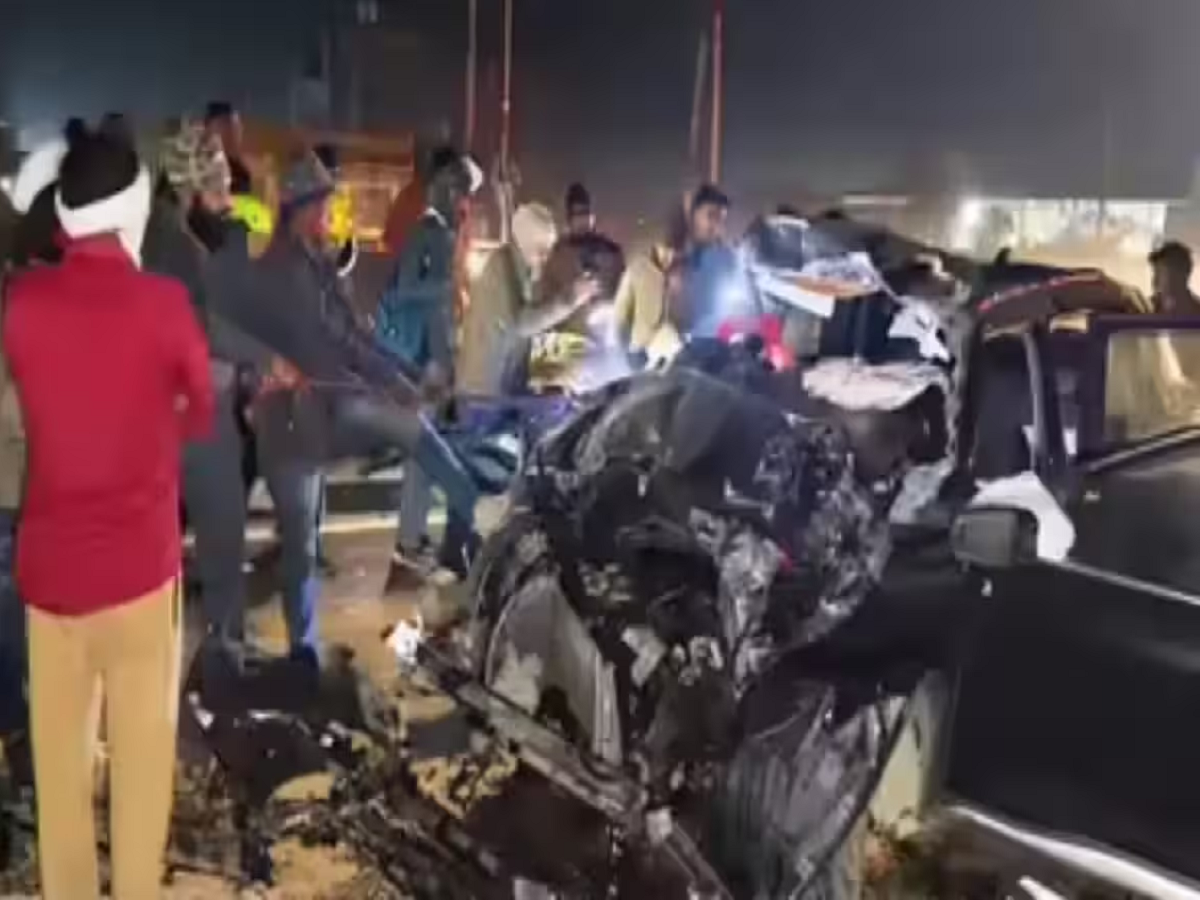
Road accidents can happen suddenly, and the first few hours after an accident can be critical. To ensure that financial concerns do not delay emergency treatment, the Government of India has introduced the Prime Minister – Road Accident Victims Hospitalisation and Assured Treatment (PM-RAHAT) Scheme.
The scheme is designed to provide cashless treatment to eligible road accident victims at designated hospitals, helping them receive immediate medical attention after an accident.
The scheme has been notified under the Motor Vehicles Act and is part of the government's efforts to strengthen emergency medical care for road accident victims. The National Portal of India currently lists PM-RAHAT among its featured government initiatives.
What is the PM-RAHAT scheme?
PM-RAHAT stands for Prime Minister – Road Accident Victims Hospitalisation and Assured Treatment.
Its primary objective is to ensure that a person injured in a road accident can receive necessary emergency medical treatment without having to arrange money immediately.
This is particularly important because accident victims may require urgent investigations, surgery, medicines, intensive care or other emergency procedures.
Who can benefit from the scheme?
The scheme is intended for victims of road accidents who require hospitalisation and meet the conditions specified under the scheme.
The treatment is provided through designated hospitals and according to the applicable scheme guidelines and prescribed limits.
Importantly, people should not delay taking an injured person to the nearest appropriate hospital while trying to understand the paperwork. In an emergency, getting medical attention quickly remains the priority.
Why is cashless treatment important?
After an accident, families often have to deal with two problems at the same time: a medical emergency and the sudden financial burden of treatment.
Cashless treatment can reduce the immediate financial pressure on the victim and family. It can also help ensure that treatment decisions are based on medical requirements rather than whether the family can immediately arrange cash.
What should you do after a road accident?
If you witness or are involved in a road accident, the first priority should be getting emergency medical assistance.
A few important steps are:
-
Call emergency services and arrange medical assistance.
-
Move the injured person only when it is safe and appropriate to do so.
-
Take the victim to an appropriate hospital as quickly as possible.
-
Carry identification and available medical documents if this can be done without delaying treatment.
-
Preserve relevant accident information and documents for subsequent formalities.
-
Ask the hospital whether it is covered under the applicable PM-RAHAT arrangements.
Don't wait for paperwork before seeking emergency care
One of the most important things to remember is that paperwork should not become a reason to delay emergency treatment.
In cases involving serious injuries, even a short delay can have consequences. The appropriate medical team should assess the victim and begin necessary treatment as quickly as possible.
A scheme worth knowing before an emergency happens
Most people do not think about accident-related medical expenses until an accident actually occurs. Knowing about government-supported emergency treatment arrangements beforehand can help families make faster decisions during a stressful situation.
The government has also issued detailed guidelines and standard operating procedures for implementation of PM-RAHAT, including the roles and responsibilities of stakeholders involved in providing treatment.
Therefore, if you or someone around you is involved in a road accident, focus first on getting immediate medical assistance and then complete the necessary scheme and documentation formalities with the hospital.
Important: Eligibility, treatment coverage, hospitals covered and applicable limits are governed by the latest official scheme guidelines. Citizens should verify the current details through official government sources or the treating hospital rather than relying on social-media claims.