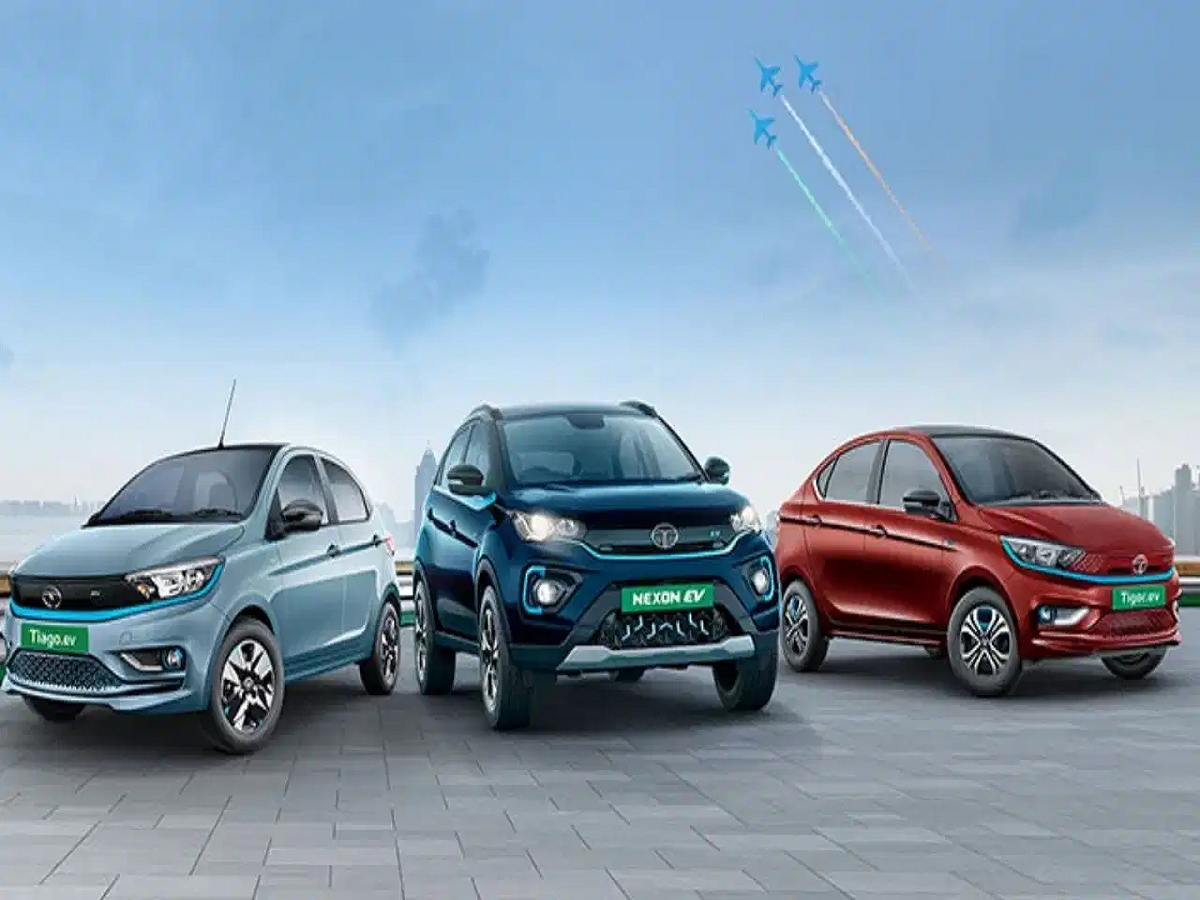
Electric cars are becoming an increasingly attractive option for Indian buyers, thanks to lower running costs, quieter driving and reduced tailpipe emissions. However, one concern continues to influence purchasing decisions: the cost of replacing the battery when it reaches the end of its useful life or develops a serious fault.
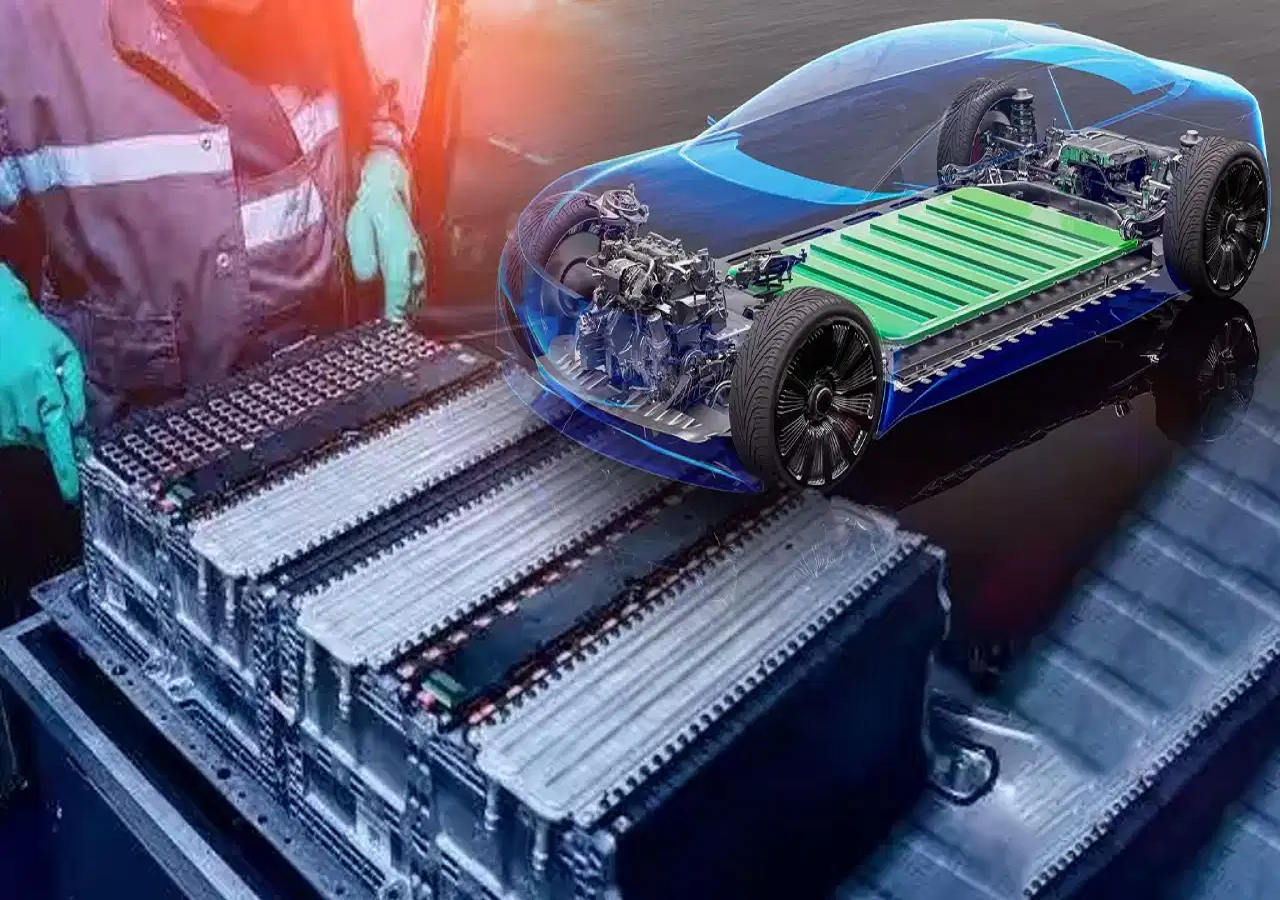
The battery is one of the most expensive components of an electric vehicle (EV), and replacing an entire battery pack can be a significant expense. The good news is that advances in battery technology, expanding manufacturing capacity and improved repair methods could help make battery ownership more affordable over time.
However, lower manufacturing costs do not automatically guarantee cheaper replacement batteries for every electric car. Several factors will determine how much Indian EV owners eventually pay.
1. New Battery Technologies Could Reduce Manufacturing Costs
Battery manufacturers are exploring improved cell designs, alternative materials and more efficient production processes to make batteries cheaper and more reliable.
These developments aim to increase energy storage capacity, reduce material wastage and simplify battery-pack construction. Better manufacturing efficiency can lower the cost of producing each unit.
For electric vehicle owners, these improvements could eventually translate into more affordable batteries. However, the final benefit will depend on the technology used in a particular vehicle and how quickly manufacturers pass on production savings to customers.
2. LFP Batteries Are Changing the EV Market
Lithium iron phosphate (LFP) batteries have emerged as an important option for electric vehicles because they use iron and phosphate rather than nickel and cobalt in their cathode chemistry.
In many applications, LFP batteries offer several advantages:
-
Lower material costs compared with some nickel-based battery chemistries.
-
Good cycle life under suitable operating conditions.
-
Relatively stable thermal behaviour.
-
Suitability for vehicles where affordability and durability are priorities.
However, LFP batteries are not ideal for every application. Their energy density is generally lower than that of some nickel-rich alternatives, which can affect vehicle weight and range.
Automakers therefore select battery chemistry according to the vehicle's intended range, performance, price and operating requirements.
3. Mass Production Could Make Batteries More Affordable
As battery manufacturing expands, companies can spread fixed costs across larger production volumes. Improved factory utilisation, automation and stronger supplier networks can also help reduce manufacturing expenses.
Competition between battery manufacturers may create further pressure to improve efficiency and offer more competitive prices.
India's growing electric mobility market could benefit if domestic manufacturing capacity expands and local suppliers become more established.
Nevertheless, battery prices are also influenced by global demand, raw material costs, currency movements and international supply chains. Large-scale production alone cannot guarantee a continuous decline in prices.
4. Will Replacing an Old EV Battery Become Cheaper?
Potentially, yes. If the cost of manufacturing battery cells and packs falls, replacement batteries may also become more affordable over time.
However, the replacement cost of an individual vehicle depends on more than the price of its cells. The battery pack must be compatible with the vehicle's electrical architecture, battery management system, software, cooling arrangements and safety requirements.
The availability of replacement packs is another important factor. Batteries for older or discontinued models may be more difficult to source, even when newer battery technologies are cheaper to manufacture.
Before purchasing an EV, buyers should check the battery warranty, the manufacturer's replacement policy and the availability of authorised service centres.
5. Battery Repairs Could Reduce the Cost of Ownership
Not every battery-related problem requires replacing the entire pack. Depending on the vehicle's design and the nature of the fault, a technician may be able to repair a component or replace a faulty module.
For example, certain failures may involve electrical connections, sensors, cooling systems or specific battery modules rather than the entire pack.
Repairability varies significantly between manufacturers and battery designs. Some packs are easier to service than others, while certain faults may require complete replacement for safety reasons.
Battery diagnostics, trained technicians and reliable spare-part availability will therefore play an important role in making EV maintenance more affordable.
Owners should avoid attempting battery repairs themselves because high-voltage systems can cause severe injury. Repairs should be handled by qualified professionals.
6. What Is India Doing to Expand Battery Manufacturing?
India has introduced policy initiatives to encourage domestic manufacturing of advanced batteries and strengthen the electric vehicle supply chain.
One important initiative is the Production Linked Incentive (PLI) scheme for Advanced Chemistry Cell battery storage. The programme is intended to support domestic battery manufacturing, reduce dependence on imported cells and encourage investment in local production capacity.
Developing domestic supply chains, improving recycling infrastructure and recovering valuable materials from used batteries could also help strengthen the industry over the longer term.
However, building manufacturing capacity takes time. The impact on replacement costs will depend on production scale, local sourcing, technological development and competition among suppliers.
What Should EV Buyers Keep in Mind Today?
If you are planning to buy an electric car, do not base your decision solely on the possibility of cheaper batteries in the future.
Consider these factors before making a purchase:
-
Battery warranty: Understand the warranty period, mileage limit and conditions for coverage.
-
Replacement cost: Ask the manufacturer or authorised dealer for the current estimated cost of a complete replacement pack.
-
Repair options: Check whether the manufacturer supports battery diagnostics, module-level repairs and component replacement.
-
Battery health: Review the battery's condition and remaining warranty when buying a used EV.
-
Service availability: Confirm that qualified technicians and replacement parts are available in your area.
-
Total ownership cost: Compare electricity expenses, insurance, maintenance, financing and expected resale value with those of a petrol or diesel car.
Remember that a battery losing some capacity over time does not necessarily mean it needs immediate replacement. The decision depends on its health, usable range, warranty coverage and the owner's requirements.
The Bottom Line
Electric car battery replacement could become more affordable in India as battery manufacturing scales up, production methods improve and repair options expand. LFP chemistry, domestic manufacturing initiatives and better battery diagnostics may all contribute to lower ownership costs.
However, there is no guarantee that every EV model will receive cheaper replacement batteries at the same pace. Vehicle-specific design, warranty terms, spare-part availability and battery compatibility will remain important factors.
For prospective buyers, the smartest approach is to evaluate the battery warranty and current replacement cost before purchasing an EV, while treating future price reductions as a possible benefit rather than a certainty.