LIFESTYLE
Red Rice vs White Rice: 7 Health Benefits That Make This Traditional Grain Worth Adding to Your Diet
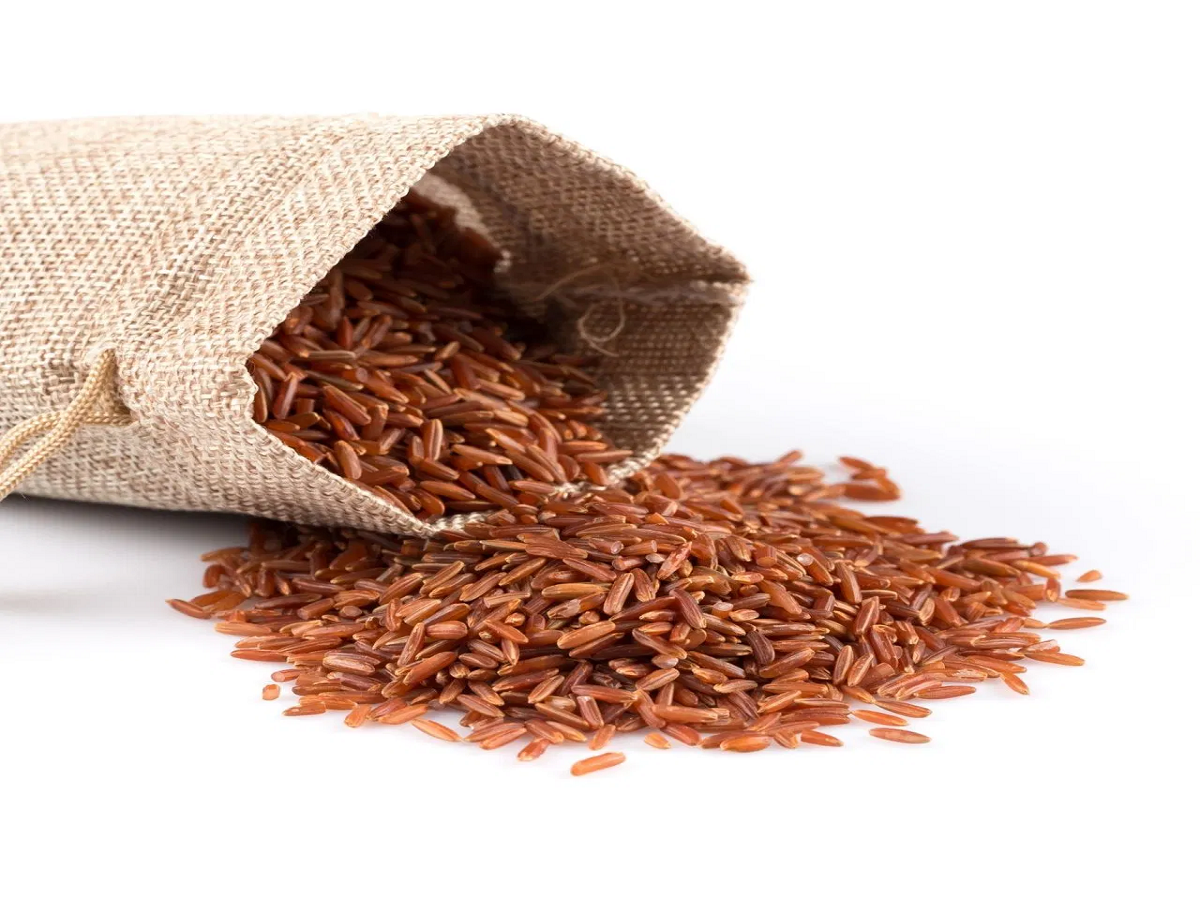
Rice is a staple food in millions of Indian households. However, growing awareness about nutrition and blood sugar management has encouraged many people to explore healthier alternatives to polished white rice. Red rice is one such option that is gaining popularity among health-conscious individuals.
Unlike white rice, red rice generally retains its outer bran layer, which contains dietary fibre, minerals and beneficial plant compounds. Its distinctive reddish colour comes from natural pigments known as anthocyanins, which have antioxidant properties.
But is red rice really better than white rice? Can it help with weight management and blood sugar control? Here are seven important nutritional benefits worth understanding.
1. Red Rice Contains More Dietary Fibre
One of the biggest nutritional advantages of red rice is its fibre content.
Because it is generally consumed in its less-polished form, it retains more of the bran layer than white rice. This provides additional dietary fibre, which supports digestion and helps maintain regular bowel movements.
A 100-gram serving of uncooked red rice may provide approximately 350–360 calories, depending on the variety. Its nutritional composition can vary, but it generally provides carbohydrates, plant protein and dietary fibre.
The higher fibre content makes red rice a useful alternative for people looking to increase their daily fibre intake.
2. Rich in Natural Antioxidants
The reddish colour of certain red rice varieties comes from natural pigments, including anthocyanins.
These compounds belong to a group of plant substances known as antioxidants. They help protect cells against oxidative stress caused by unstable molecules called free radicals.
Red rice also contains other beneficial plant compounds, including phenolic compounds.
Including antioxidant-rich whole grains as part of a balanced diet can contribute to overall nutritional health.
3. May Support Better Blood Sugar Management
Blood sugar management is one of the reasons many people consider replacing white rice with red rice.
The fibre present in whole-grain red rice can slow digestion and the absorption of carbohydrates. This may help reduce sudden increases in blood glucose compared with certain varieties of highly polished white rice.
However, the actual effect depends on the rice variety, cooking method, serving size and the other foods consumed with it.
Red rice is not a treatment for diabetes, but it can be included in a balanced eating plan designed to manage blood glucose levels.
4. Helps You Feel Full for Longer
If you frequently feel hungry shortly after eating, adding fibre-rich foods to your meals may help.
Red rice contains more fibre than polished white rice, which can contribute to a greater feeling of fullness after eating.
This may help some people manage their portion sizes and reduce unnecessary snacking between meals.
However, red rice does not directly burn body fat or guarantee weight loss. Maintaining a calorie balance and combining nutritious food with regular physical activity remain important.
5. May Support Healthy Cholesterol Levels
Dietary fibre plays an important role in maintaining cardiovascular health.
Certain types of soluble fibre can help reduce the absorption of cholesterol in the digestive system. Whole-grain foods also provide nutrients and plant compounds that support a heart-healthy diet.
Red rice can therefore be a useful addition to meals for people looking to improve their overall dietary quality.
However, it should not be considered a replacement for prescribed cholesterol medication or medical treatment.
6. Provides Important Minerals and Nutrients
Red rice offers several nutrients that may be reduced or lost during extensive grain polishing.
Depending on the variety, it can provide minerals such as magnesium, phosphorus, iron and zinc, along with B-group vitamins.
These nutrients support several bodily functions, including energy metabolism, normal muscle function and the maintenance of healthy bones.
The nutritional value can vary between traditional red rice varieties, so checking the product's nutritional information is useful.
7. Can Be a Useful Alternative for Weight and Sugar-Conscious Diets
People trying to manage their weight or blood sugar do not necessarily need to eliminate rice from their diets.
Switching from highly polished white rice to an appropriate portion of whole-grain red rice can improve fibre intake and overall meal quality.
For a more balanced meal, combine red rice with:
-
Dal, rajma or other protein-rich pulses.
-
Green vegetables and seasonal sabzi.
-
Curd or other suitable protein sources.
-
A portion of healthy fats from nuts or seeds.
This combination provides a better nutritional balance than consuming a large serving of rice alone.
Should You Completely Stop Eating Rice If You Have Diabetes or Fatty Liver?
No. Completely eliminating rice is not necessary for everyone with diabetes, obesity, high cholesterol or fatty liver.
The important factors are portion control, overall calorie intake, food quality and individual medical requirements.
People with diabetes should monitor their blood glucose response after meals and consult a qualified dietitian about suitable carbohydrate portions.
Similarly, individuals with fatty liver should focus on a balanced diet, weight management where appropriate and limiting sugary drinks and highly processed foods.
How Should You Prepare Red Rice?
Red rice generally takes longer to cook than polished white rice because it retains its outer bran layer.
Here are a few useful preparation tips:
-
Wash the rice thoroughly before cooking.
-
Soak it for approximately 4–8 hours if the variety benefits from soaking.
-
Use an appropriate amount of water depending on the rice variety.
-
Cook until the grains become tender.
-
Avoid adding excessive oil or ghee if you are monitoring calorie intake.
Final Words
Red rice can be a nutritious alternative to white rice because it generally contains more fibre, minerals and beneficial plant compounds. It may also support better blood sugar management and help with fullness when consumed in appropriate portions.
However, it is not a miracle food that prevents diabetes, reverses fatty liver or automatically causes weight loss.
The best approach is to choose minimally processed grains, maintain reasonable portions and combine them with vegetables and protein-rich foods. A balanced diet matters much more than relying on a single so-called superfood.