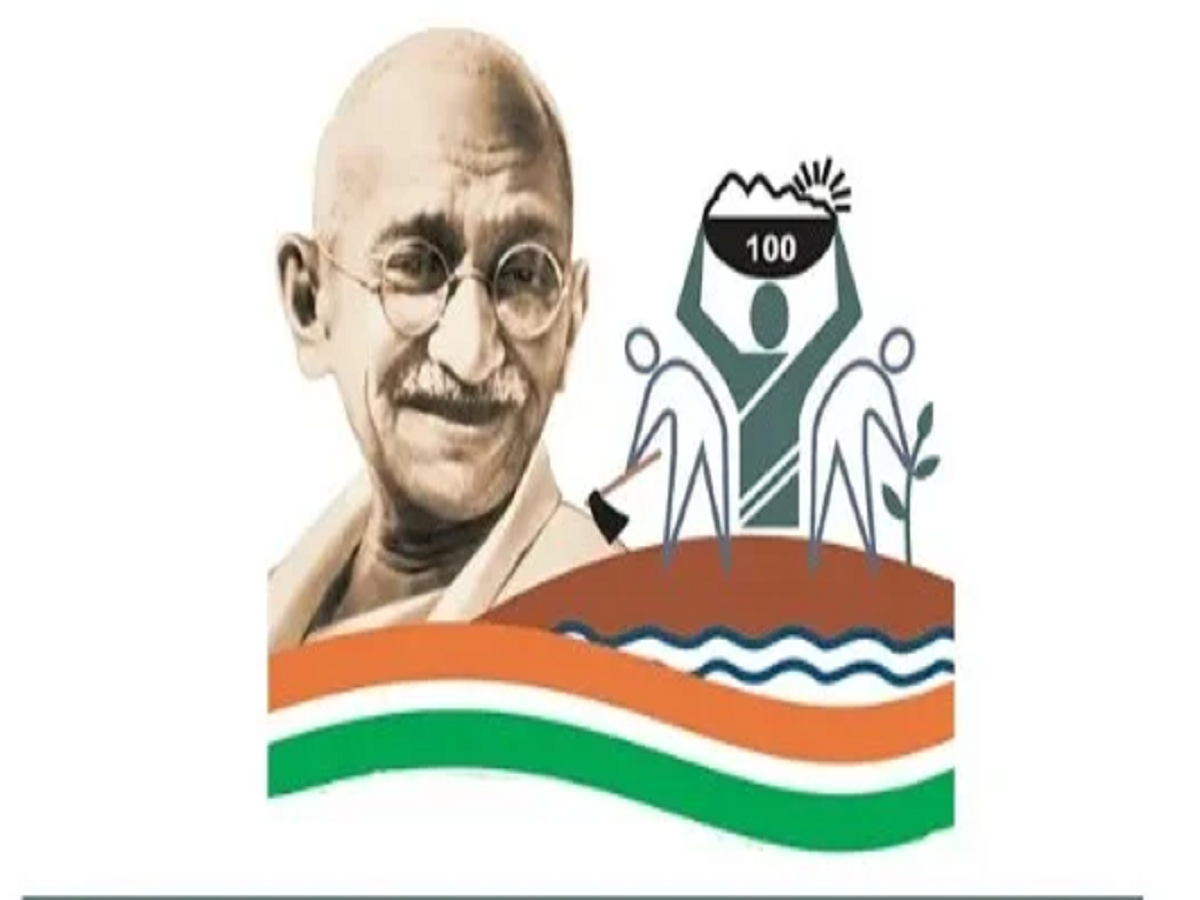
Rural households looking for employment have received an important update from the government. The Viksit Bharat – Guarantee for Rozgar and Ajeevika Mission (Gramin), known as VB-G RAM G, has come into force from July 1, 2026.
The scheme provides a statutory guarantee of up to 125 days of wage employment in every financial year to eligible rural households whose adult members volunteer to undertake unskilled manual work.
What is the new employment scheme?
The VB-G RAM G scheme focuses on providing employment opportunities in rural areas while simultaneously creating durable assets and improving village infrastructure.
Instead of employment being limited to individual income support, the programme also focuses on works that can benefit the village over the longer term.
These can include activities connected with rural infrastructure, water management, sanitation, agricultural productivity and other locally identified development requirements.
Who can get employment?
The scheme is aimed at rural households. Adult members of an eligible rural household who are willing to undertake unskilled manual work can seek employment under the programme.
The employment guarantee is for up to 125 days during a financial year, subject to the scheme's provisions and the demand for work.
This can provide an important source of income for rural families, particularly during periods when agricultural or other local employment opportunities are limited.
How is the scheme different from simply providing jobs?
One of the important features of the programme is its focus on creating useful community assets alongside employment.
The government has stated that the Viksit Gram Panchayat Plan enables Gram Sabhas to decide works according to local requirements. This means local development priorities can play an important role in determining which works are undertaken.
Digital attendance and payments
The scheme also incorporates digital technology into its implementation.
According to the government, attendance under VB-G RAM G is being recorded through Face Authentication, while wage payments are made digitally.
This digital approach is intended to improve transparency and make it easier to track employment and payments.
How much work has already been generated?
The programme has already recorded significant implementation figures.
Government data presented in October 2026 showed that more than 31.69 crore person-days had been generated. More than 2.81 crore workers from approximately 2.23 crore households had received employment, with works underway in nearly 2.31 lakh Gram Panchayats.
An interim allocation of ₹93,841 crore has also been made to States and Union Territories for 2026-27.
What should rural workers do?
People who want employment under the scheme should approach their Gram Panchayat or the relevant local authorities and find out about the registration and work-demand process applicable in their area.
Workers should also keep their required identification, bank details and other documents updated so that employment and wage-payment formalities can be completed smoothly.
It is important to ask local officials about the current process rather than relying on unofficial agents or social-media messages.
Why this scheme matters
For rural families, guaranteed employment can provide an important financial safety net during periods when regular work is unavailable.
At the same time, the programme aims to ensure that public spending creates useful assets in villages rather than providing employment without a broader development objective.
With more than 2.8 crore workers already receiving employment under the new programme, VB-G RAM G is set to play a significant role in rural employment and infrastructure development.
Important: Eligibility, registration procedures, wage rates and the availability of specific works can vary according to government rules and implementation in the concerned State or Union Territory. Workers should verify the latest information with their Gram Panchayat or official government authorities.