BUSINESS
New FMCG Brands Are Taking Over Grocery Store Shelves: Why India's Traditional Consumer Giants Are Losing Market Share
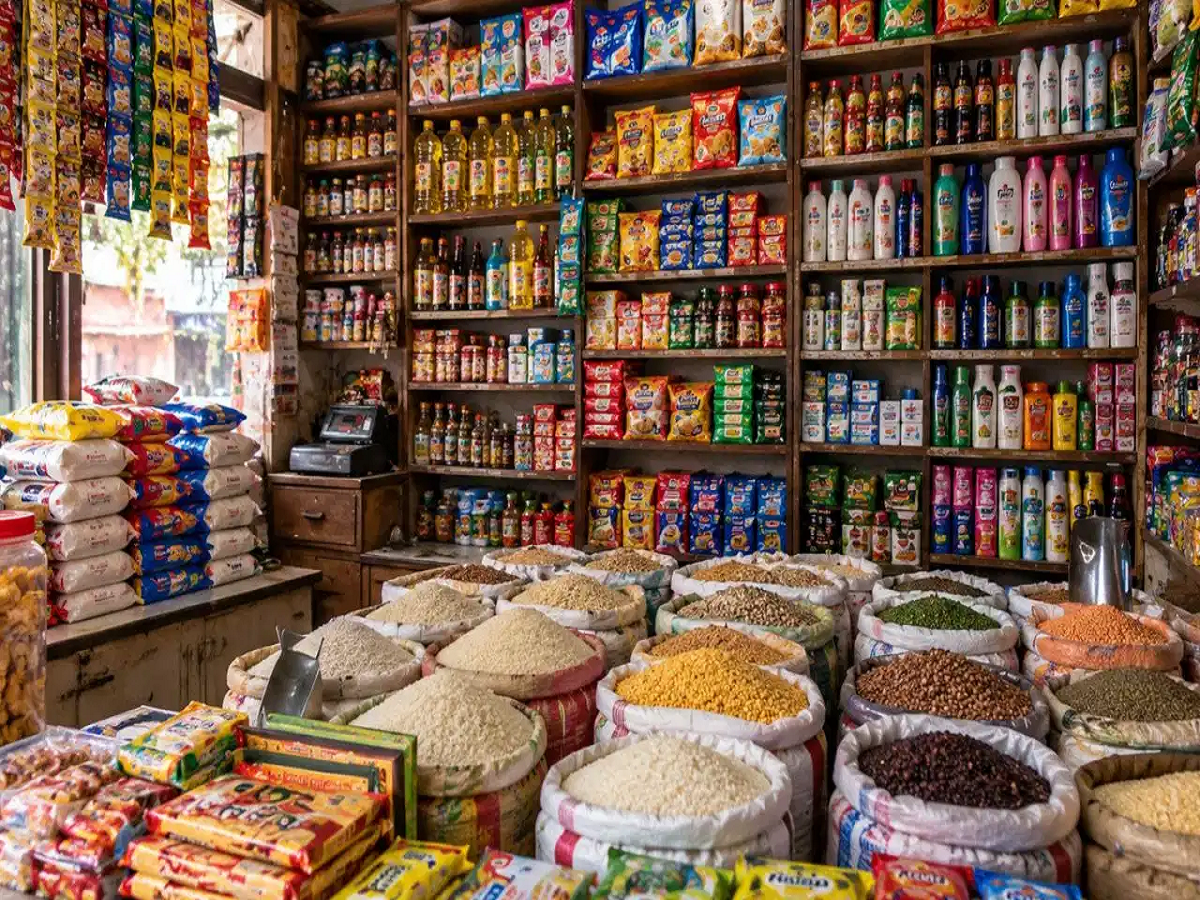
India's fast-moving consumer goods (FMCG) market is undergoing a major transformation. Grocery stores that were once dominated by established companies are increasingly making room for new-age brands offering specialised products, premium ingredients and distinctive marketing strategies.
According to data cited from retail intelligence platform Bizom, new consumer brands increased their share of the grocery market to 21.7% in the first half of FY2027, compared with 14.8% a year earlier. Over the same period, the share of established FMCG companies declined from 85.2% to 78.3%.
The shift suggests that consumer preferences are changing and newer businesses are becoming more competitive. However, it does not necessarily mean that traditional companies are losing sales in absolute terms. Rather, newer brands are capturing a larger share of the market.
1. Changing Consumer Preferences Are Creating Opportunities
Indian consumers are increasingly exploring alternatives to familiar household brands. Many shoppers now look for products that offer specific benefits, distinctive ingredients, better packaging or solutions tailored to their needs.
This trend is particularly visible in categories such as skincare, personal care, healthy snacks and nutrition products.
Instead of choosing a product simply because it has been available for decades, consumers may compare ingredients, reviews, product claims and prices before purchasing.
The growth of online shopping has accelerated this change. Digital platforms allow smaller companies to reach customers without immediately building a nationwide distribution network.
As these brands gain popularity online, grocery retailers increasingly have an incentive to stock them in physical stores as well.
2. Digital-First Brands Are Expanding into Physical Stores
Direct-to-consumer (D2C) brands initially built their businesses through websites, social media and online marketplaces. Many are now expanding into traditional retail to reach customers who prefer buying products in person.
For example, Plum Goodness, a beauty and personal care brand, reportedly generates around 30% of its revenue from offline stores and has established approximately 35,000 physical touchpoints.
This illustrates how a business that begins online can gradually build a presence in neighbourhood stores, supermarkets and other retail outlets.
Physical distribution allows brands to reach shoppers who may never discover them through digital advertising. It also makes products more accessible to customers who want to examine packaging or purchase items immediately.
However, expanding into physical retail requires investment in logistics, distributor relationships, inventory management and sales teams.
3. Why Are Grocery Retailers Stocking New Brands?
Retailers generally want products that attract customers and generate sustainable sales. As shoppers become more interested in new brands, shopkeepers have stronger reasons to allocate shelf space to them.
Some emerging brands also offer attractive retailer 's FMCG Market?
The growing presence of new-age brands suggests that India's consumer goods market is becoming more competitive and fragmented.
Established companies continue to benefit from scale, distribution and brand recognition, while newer businesses often have greater flexibility to experiment with products, marketing and niche customer segments.
The companies most likely to succeed will be those that combine strong products with repeat purchases, efficient distribution and sustainable profitability.
Ultimately, the changing grocery shelf reflects a broader shift in consumer behaviour. Brand loyalty is no longer guaranteed by familiarity alone. Companies must continually demonstrate why their products deserve a place in consumers' homes and in retailers' stores.