BUSINESS
Government Launches New Punah Bharan App: How to Identify Areas for Groundwater Recharge Near Your Village
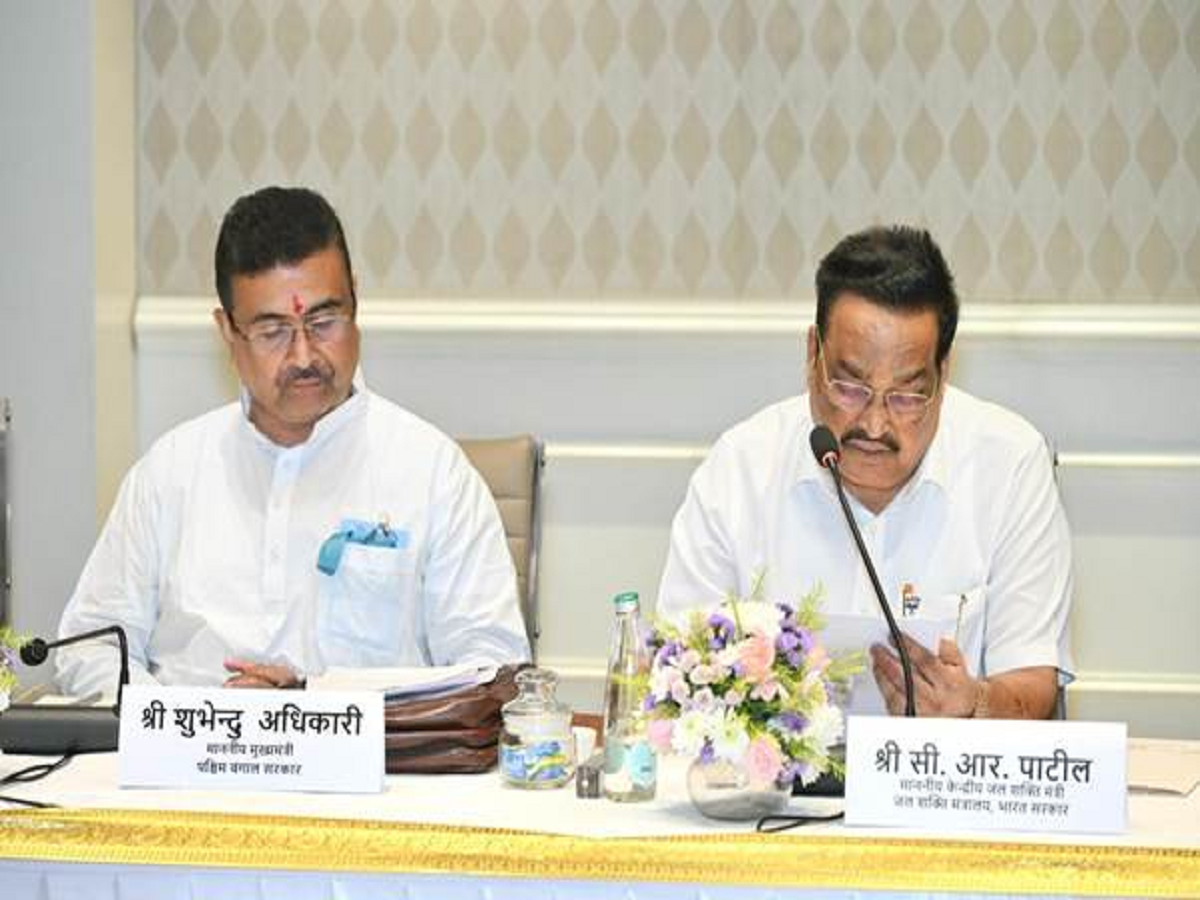
Finding suitable locations to conserve rainwater and replenish groundwater could become easier with a new mobile application launched by the Ministry of Jal Shakti. The government introduced the Punah Bharan Mobile Application on October 28, 2026, to support scientific planning for groundwater recharge using geospatial technology.
Developed by BISAG-N in collaboration with the National Water Mission, the application is designed to help users identify potential areas where artificial groundwater recharge structures could be built. The initiative aims to support better water management in villages and other areas facing groundwater challenges.
What Is the Punah Bharan App?
Punah Bharan is a digital tool that helps identify locations where rainwater can potentially be directed into the ground to replenish underground water reserves.
According to the government, users can explore potential artificial recharge zones within a radius of up to three kilometres. The application also helps identify suitable recharge structures based on local geographical conditions.
The associated web portal provides village-level maps showing potential recharge zones, along with geographical information system (GIS) tools and other relevant data.
How Does the App Identify Recharge Locations?
The platform uses multiple geographical and environmental datasets to assess the suitability of potential recharge areas.
These include:
-
Rainfall patterns in the area.
-
Existing groundwater levels.
-
Groundwater yield information.
-
Land slope and terrain characteristics.
-
Drainage patterns.
By bringing this information together, the platform can help planners identify locations that may be suitable for groundwater recharge interventions.
However, the results indicate potential locations rather than guaranteeing that a particular structure will work. Technical assessment and local site conditions remain important before any construction begins.
What Are Artificial Groundwater Recharge Structures?
Artificial recharge structures are designed to help rainwater or surface runoff seep into the ground and replenish underground water reserves.
Depending on local conditions, these interventions may include recharge pits, trenches, check dams and other suitable water-harvesting structures.
Such structures can help improve groundwater management when they are properly designed, maintained and located in suitable geological conditions. Their effectiveness depends on factors such as soil permeability, rainfall, the local water table and the quality of incoming water.
Can Ordinary Citizens Use the App?
The application and its associated portal are intended to support groundwater recharge planning. Their information may be useful to local authorities, water-resource planners, technical teams and communities involved in water conservation.
Residents interested in groundwater recharge can ask their Gram Panchayat, municipal authority or local water-resource department whether the platform's maps can help identify suitable locations in their area.
Before constructing a recharge structure, it is advisable to seek technical guidance from the relevant department or a qualified professional. Water quality, drainage, contamination risks and local regulations must be considered.
Why Is This Initiative Important?
Groundwater is an important source of drinking water, irrigation and everyday household needs across India. In areas where groundwater extraction exceeds natural replenishment, identifying suitable recharge locations can form part of a broader water-conservation strategy.
The Punah Bharan platform aims to make groundwater planning more data-driven by combining geographical information with local water-resource indicators. It may help authorities make more informed decisions when planning recharge projects.
The application was launched by the Ministry of Jal Shakti on October 28, 2026. Citizens interested in using the platform should look for the official announcement and portal through the ministry's website rather than downloading unverified applications from third-party sources.