AUTO
Navratri Auto Sales Hit a Record-Breaking Pace! Over 10 Lakh Vehicles Sold in Just 9 Days Across India
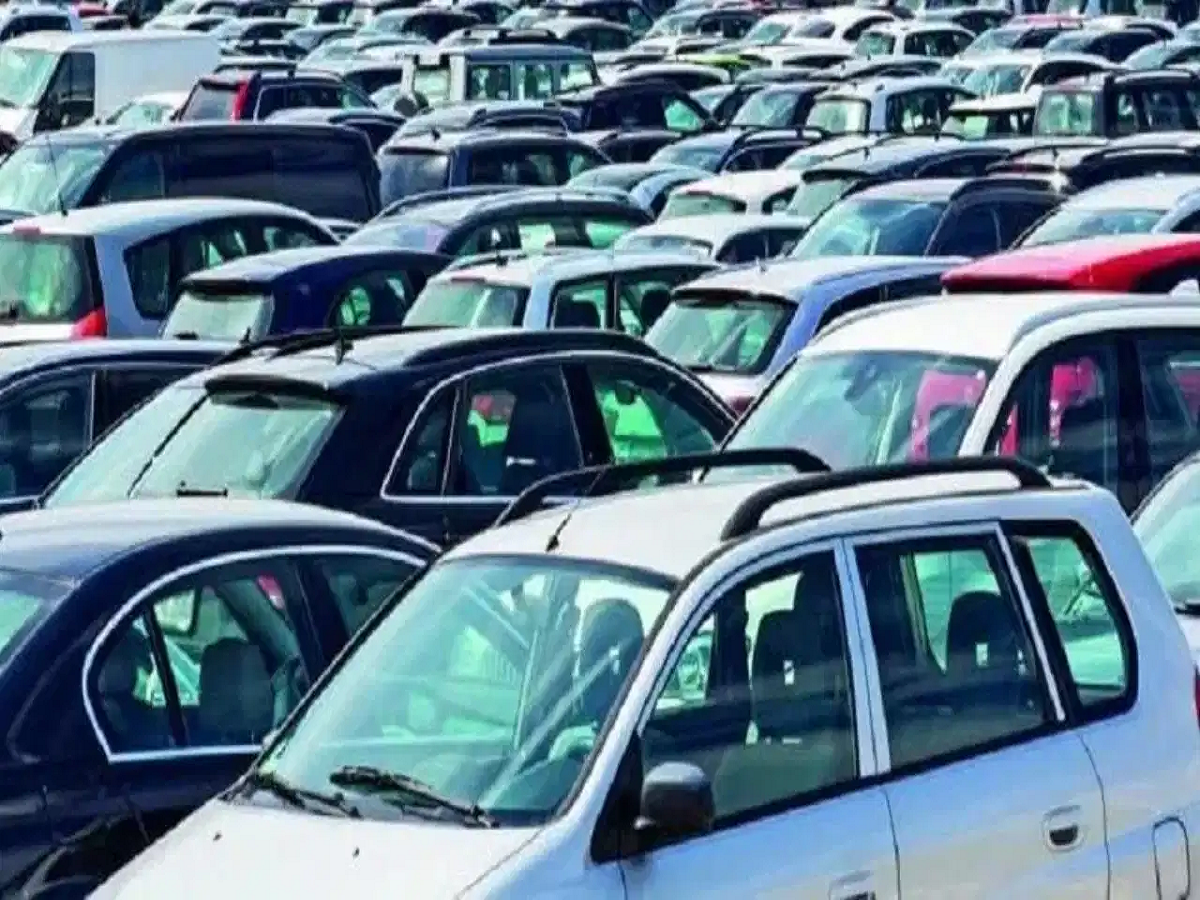
India’s automobile market witnessed a remarkable surge in sales during Navratri, with more than 10 lakh vehicles sold across the country in just nine days. The festive buying spree was so strong that, on average, more than one vehicle was sold every second, highlighting the importance of the festive season for India’s automobile industry.
According to data released by the Federation of Automobile Dealers Associations (FADA), total vehicle retail sales reached 10.32 lakh units during the nine-day Navratri period. This represents a 1.95% increase compared with the 10.12 lakh vehicles sold during the corresponding period last year.
The figures underline the continued demand for vehicles during the festive season, as consumers look for attractive offers, updated models and favourable buying opportunities.
More Than One Vehicle Sold Every Second
The Navratri sales figures offer a glimpse into the scale of India's festive automobile market. With 10.32 lakh vehicles sold in nine days, average sales reached approximately 1.15 lakh vehicles per day.
This translates to roughly 80 vehicles being sold every minute, demonstrating how quickly customers were purchasing vehicles during the festive period.
The anticipated benefits of GST 2.0, implemented in 2025, also influenced buying decisions. Changes in taxation and the resulting price reductions on several vehicle categories encouraged consumers to explore purchase options, although the impact varied across segments.
Passenger Vehicle Sales Decline Despite Festive Demand
Despite the overall increase in vehicle sales, passenger vehicles, including cars and SUVs, recorded a decline.
Passenger vehicle retail sales fell by 13.66% year-on-year to approximately 1.72 lakh units during the nine-day period. The decline came against a relatively strong comparison base from the previous year, when consumers responded to tax-related price changes and festive offers.
Some customers had advanced their purchases to take advantage of favourable prices, potentially shifting demand that might otherwise have occurred during the current festive season.
Therefore, the decline does not necessarily indicate that consumer interest in cars has disappeared. The timing of purchases, promotional offers and comparisons with last year's unusually strong demand can all influence the figures.
Two-Wheelers Remain the Biggest Contributor to Sales
Two-wheelers dominated the Navratri automobile market, accounting for the largest share of vehicles sold.
According to the reported figures, two-wheeler sales increased by 5.78% to 7.60 lakh units. This category represented nearly three-quarters of total vehicle sales during the period.
The strong performance reflects the continued importance of motorcycles and scooters for daily commuting, particularly among consumers seeking affordable and convenient transportation.
Rural demand, festive purchases and the availability of different models across price ranges can also influence two-wheeler sales during this period.
Commercial Vehicles and Tractors Record Growth
Several other vehicle categories also reported positive growth during Navratri.
-
Commercial vehicles: Sales increased by 14.21% to 34,120 units.
-
Tractors: Sales rose by 8.87% to 20,912 units.
-
Construction equipment: Sales grew by 10.86% to 2,185 units.
-
Three-wheelers: Sales declined by 1.65% to 43,057 units.
The growth in commercial vehicles may reflect demand from businesses and transportation operators, while tractor sales can be influenced by agricultural activity, rural purchasing power and seasonal requirements.
The contrasting performance across categories shows that India's automobile market is experiencing different demand trends rather than uniform growth across every segment.
Dealers Expect Demand to Continue Until Diwali
Automobile dealers are hopeful that the positive festive sentiment will continue through Diwali.
Rohit Chaudhary, Chairperson of FADA West Bengal, highlighted the encouraging customer response in the state and indicated that sales growth had improved compared with the previous year.
Dealers have reportedly maintained sufficient stock to meet customer demand. Chaudhary also noted double-digit growth at his Tata Motors dealership and expressed optimism about the remainder of the festive season.
The period between Navratri and Diwali is particularly important for dealerships because many buyers prefer to purchase vehicles during auspicious occasions. Special financing schemes, exchange bonuses and festive discounts can further influence buying decisions.
High Car Inventory Remains a Concern for Dealers
While festive demand has supported overall sales, passenger vehicle dealers continue to face pressure from high inventory levels.
At the end of September, passenger vehicle inventory was estimated to be equivalent to approximately 45 days of sales. This was among the highest levels seen in nearly a year, raising concerns about the cost of holding unsold vehicles.
Excess inventory can increase dealers' financing expenses and tie up working capital. At the same time, discounts offered to customers can reduce profit margins, making it more difficult for dealerships to balance sales volumes with profitability.
The reported gap between vehicle dispatches to dealers and actual registrations during September also added approximately 33,000 units to passenger vehicle inventory.
If these vehicles remain unsold for an extended period, manufacturers and dealers may need to offer additional discounts, particularly as newer model-year vehicles arrive in showrooms.
What Do These Sales Figures Mean for India's Auto Industry?
The latest Navratri figures highlight the strength of festive vehicle purchases in India, especially in the two-wheeler segment. Commercial vehicles, tractors and construction equipment also recorded growth, suggesting that demand remains active across several parts of the automobile market.
However, the decline in passenger vehicle sales and the continued pressure from unsold inventory indicate that manufacturers and dealers cannot rely solely on festive demand to maintain growth.
The coming weeks will be important in determining whether the positive momentum continues through Diwali and whether dealerships can reduce excess stock without relying heavily on discounts.
Overall, Navratri delivered a strong performance for India's automobile market, with more than 10 lakh vehicles sold in just nine days. The next challenge for the industry will be to convert festive enthusiasm into sustainable demand while keeping inventory and costs under control.