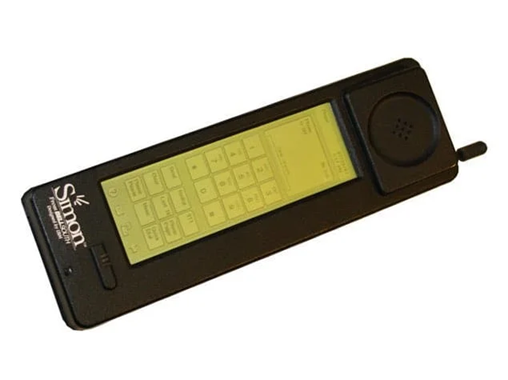
Long before Android phones and iPhones became a part of everyday life, a groundbreaking device laid the foundation for the modern smartphone. Introduced in 1992, this innovative gadget combined communication and computing in a way the world had never seen before.
Its name was IBM Simon, and many technology historians consider it the world's first smartphone.
The Birth of the Smartphone Era
On November 23, 1992, at a technology trade show in Las Vegas, IBM unveiled a bulky, brick-sized device that could do much more than make phone calls. It offered features such as email, a calendar, and digital note-taking—capabilities that were revolutionary at the time.
Although expensive and ahead of its era, IBM Simon paved the way for the smartphones we carry in our pockets today.
What Made IBM Simon Special?
Developed by IBM, Simon combined the functionality of a mobile phone with a personal digital assistant (PDA), creating a portable computing device unlike anything available in the early 1990s.
Some of its standout features included:
-
Monochrome touchscreen display
-
Stylus support for navigation
-
Email functionality
-
Calendar and scheduling tools
-
Address book
-
Calculator
-
Notepad
-
World clock
-
Sketchpad
-
Fax capabilities
At a time when these tasks often required multiple separate devices, Simon brought them together into a single product.
A Touchscreen Before Its Time
One of Simon's most impressive innovations was its touchscreen interface. Unlike many mobile devices of that era, it relied on touch input and a stylus rather than a traditional keypad.
This design offered more screen space and introduced concepts that would later become standard in modern smartphones.
Where Is IBM Simon Today?
The historic device is now preserved as a piece of technology history and is displayed at the Science Museum in London, where visitors can see one of the earliest examples of smartphone innovation.
Why Didn't It Become a Success?
Despite its revolutionary features, IBM Simon faced several major challenges.
Limited Battery Life
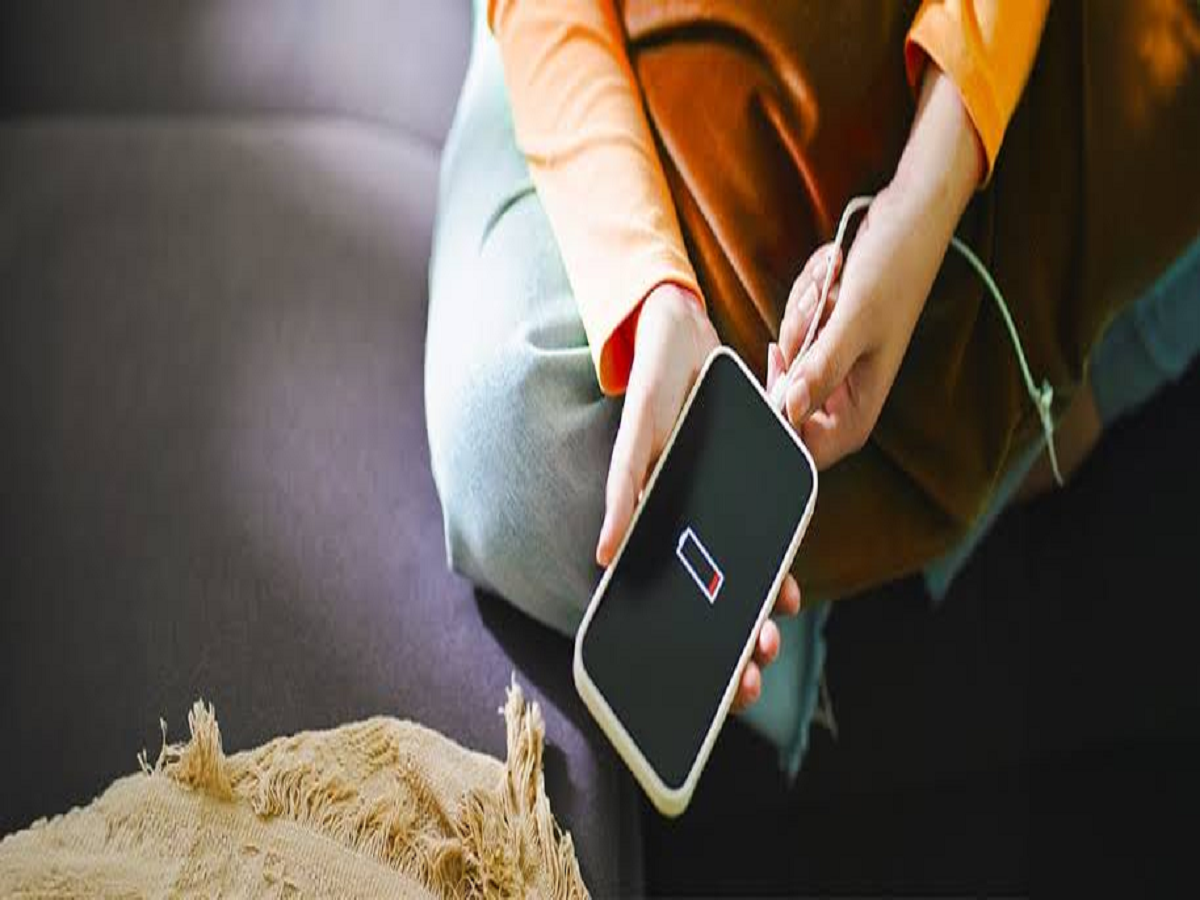
The device could operate for only about one hour on a single charge. While that may have been acceptable for brief calls and simple tasks, business users quickly found the battery performance inadequate.
High Price Tag
When Simon was officially launched in 1994 through BellSouth, it carried a price tag of around $899 with a two-year service contract. Adjusted for inflation, that would be equivalent to roughly ₹85,000 or more today.
The combination of a premium price and short battery life limited its appeal to technology enthusiasts and affluent buyers.
A Revolutionary Device That Arrived Too Early
IBM Simon remained on the market for only about six months, with approximately 50,000 units sold. Commercially, it was not a major success, but its impact on the technology industry was enormous.
Many of the features we now take for granted—touchscreens, email on the go, digital calendars, note-taking apps, and portable productivity tools—can trace their roots back to this pioneering device.
More than three decades later, IBM Simon remains one of the most important milestones in the evolution of mobile technology.