INTERNATIONAL
Mediator or Safe Haven? Pakistan Accused of Sheltering Iranian Warplanes Amid U.S. Tensions
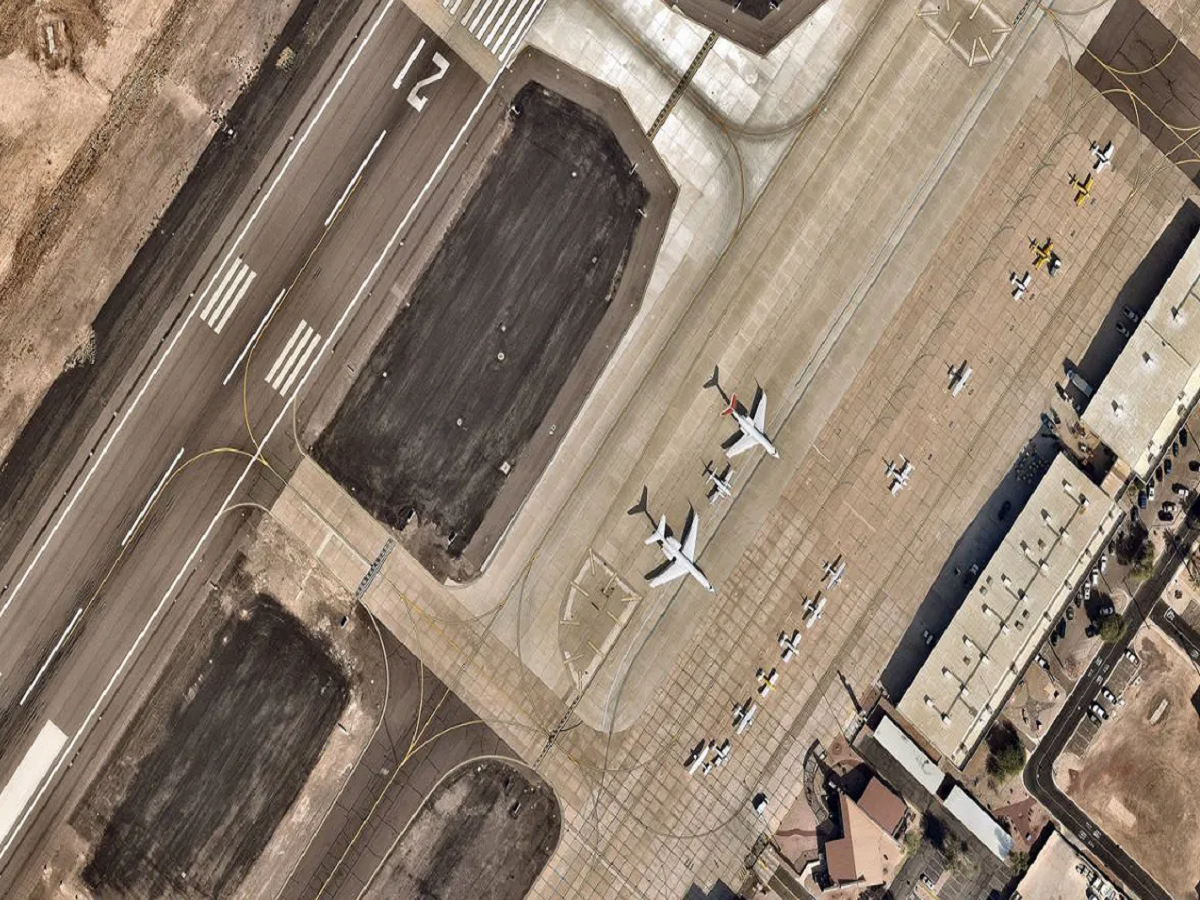
A provocative new report has cast a shadow over Pakistan’s role in the ongoing Iran-U.S. conflict. While Islamabad has positioned itself as a neutral peacemaker, allegations have surfaced suggesting that the country secretly allowed Iranian military aircraft to seek refuge at its airbases to dodge potential U.S. airstrikes.
Despite firm denials from Pakistani officials, the claims—initially reported by CBS News—have sparked a firestorm in Washington, with high-ranking U.S. senators calling for a total reassessment of the diplomatic partnership.
The "Safe Haven" Allegations
According to the report, which cites U.S. officials, the movement occurred shortly after a ceasefire was established on April 8, 2026.
-
The Location: Several Iranian aircraft reportedly landed at Nur Khan Air Base, a high-security military installation located near Rawalpindi.
-
The Fleet: Among the aircraft spotted was an Iranian RC-130, a specialized plane used for high-level surveillance and intelligence gathering.
-
The Strategy: Analysts suggest Iran was attempting to "park" its most valuable military assets in neighboring territory to protect its remaining air power from being wiped out by U.S. technology.
The Afghanistan Connection
The report further claims that Pakistan wasn't the only destination. Iran allegedly moved civilian aircraft to Afghanistan to keep them out of the line of fire.
-
In Kabul, an Iranian Mahan Air plane was reportedly grounded just before Iranian airspace was closed.
-
The Denial: Taliban spokesperson Zabihullah Mujahid dismissed the claims as "untrue," asserting that Iran had no reason to hide its fleet in Afghan territory.
Pakistan’s Defense: "Impossible to Hide"
Senior Pakistani officials have moved quickly to shut down the rumors. They argue that the Nur Khan Air Base is situated in a densely populated urban area, making it "physically impossible" to hide a fleet of foreign military aircraft from public or satellite view.
Historically, Pakistan has walked a diplomatic tightrope—maintaining a "peace-first" stance with the U.S. while ensuring it doesn't alienate its neighbors, Iran and China.
U.S. Reaction: A Credibility Crisis
The report has already reached the halls of the U.S. Senate. Senator Lindsey Graham reacted sharply, stating that if these claims are verified, the U.S. must "reconsider Pakistan’s role as a mediator."
"I would not be surprised by this news," Graham remarked, citing past inconsistencies in Pakistani defense policy.
The Failed Mediation
The timing of these allegations is particularly sensitive. Just last month, Pakistan attempted to facilitate direct talks between Washington and Tehran. However, those negotiations ended in a stalemate. With the current ceasefire hanging by a thread, the revelation of a potential "double game" could dismantle Pakistan's standing as a trusted middleman.