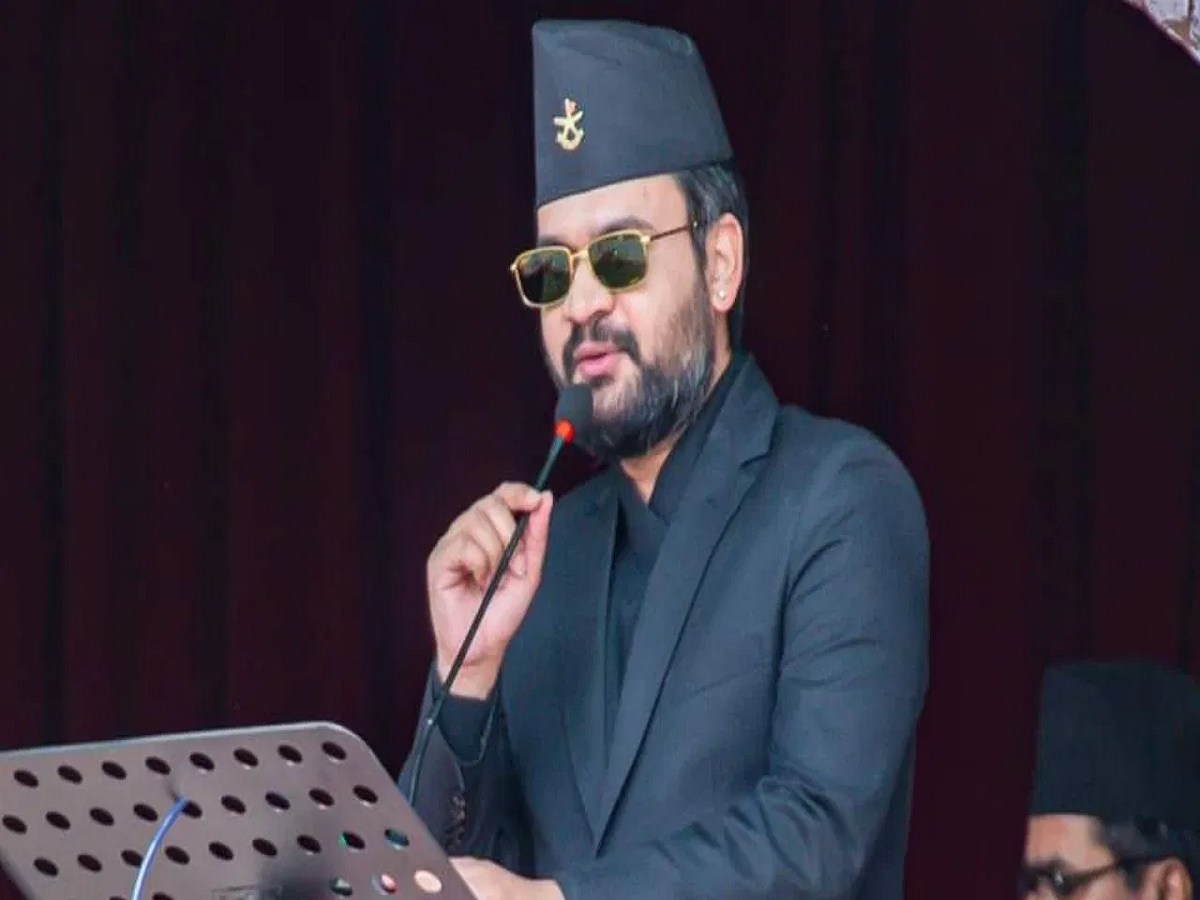
Since taking office as Nepal’s Prime Minister, Balen Shah has made a series of high-profile moves that have significantly altered the diplomatic landscape between the two neighbors. Known for his firm nationalist stance during his tenure as the Mayor of Kathmandu, Shah’s recent actions have reignited long-standing disputes and introduced new hurdles for cross-border movement.
The "New Normal" at the Border
In a departure from years of relatively free movement, the Nepalese government has introduced stringent regulations for the 1,751-kilometer open border. Indian citizens traveling to Nepal are now required to:
-
Carry Mandatory ID: Travelers must have valid identification on them at all times.
-
Undergo Security Checks: Mandatory verification processes have been implemented at entry points.
-
Customs Restrictions: A new rule levies customs charges on goods worth over ₹100 brought in from India, a move that has heavily impacted Madhesi communities in the Terai region who rely on cross-border trade for daily essentials.
4 Flashpoints Straining India-Nepal Ties
1. Diplomatic Snub to the Foreign Secretary
Reports indicate that Prime Minister Balen Shah declined a meeting with Indian Foreign Secretary Vikram Misri, who was scheduled to visit Nepal to strengthen bilateral ties. Shah reportedly insisted on meeting only with his direct counterpart, leading to the cancellation of the high-level visit.
2. Reopening the Kalapani-Lipulekh Dispute
Shah has brought the sensitive territorial issues of Kalapani and Lipulekh back to the forefront. Referring to Chinese advisories on the Mansarovar Yatra, the PM asserted that Nepal has no existing agreement on these territories. India’s Ministry of External Affairs has previously described such moves as deliberate attempts to spark controversy.
3. Economic Hardship in Border Regions
The implementation of the "₹100 customs rule" has caused significant distress for residents of the border areas. Previously, these citizens could buy essential goods from India without financial penalty, effectively hedging against local inflation. The new duty is being viewed as a major economic shift for the border populace.
4. Identity Verification for Entry
The traditional ease of travel for border residents has been replaced by a mandatory verification system. Indian citizens can no longer cross into Nepal without presenting formal identity cards, ending the era of informal "walk-in" border crossings for nearby locals.
From Mayor to Prime Minister: A Consistent Trajectory
Balen Shah’s political history suggested this shift long ago. In 2022, he famously shared a map of "Greater Nepal," and as Mayor, he grabbed headlines by banning the film Adipurush in Kathmandu. While many expected a more moderate diplomatic approach upon his elevation to Prime Minister, these four major decisions have instead deepened the suspense regarding the future of India-Nepal relations.
The Bottom Line: With the cancellation of top-level diplomatic visits and new restrictions on trade and travel, the "open border" relationship between India and Nepal is currently facing its most rigorous test in recent history.