LIFESTYLE
Kitchen Tips: These 3 cooking mistakes can quickly deplete gas; learn easy tips to make your cylinder last longer
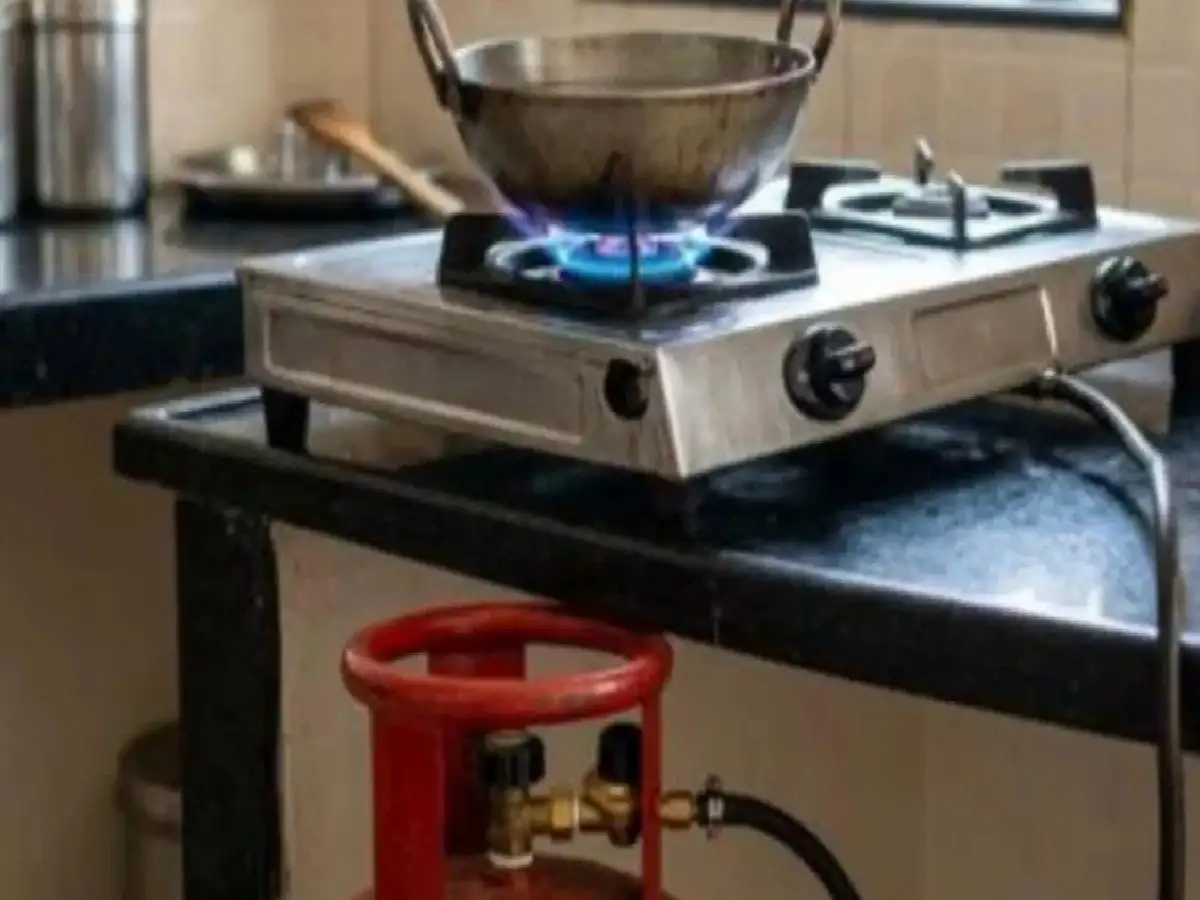
In times of inflation, managing household expenses requires careful monitoring. Along with the prices of vegetables, groceries, and other essentials, the price of cooking gas is also rising. Now, when the cylinder runs out quickly, it's time to rebook, and the budget gets thrown into disarray. However, we often make some mistakes while cooking, resulting in excessive gas consumption. Changing these three habits can help prevent the cylinder from running out quickly.
EconomicGet books
Cooking with the vessel open:
Many people don't cover their cooking utensils. This allows heat to escape, making cooking time longer. Consequently, more gas is used. Use a proper lid when cooking lentils, vegetables, or other foods. This traps steam and helps the food cook faster. However, it's equally important to be careful when cooking milk or foods that can boil over.
Cooking on high heat when not necessary
Some people believe that the higher the gas flame, the faster the food will cook. However, high heat is not necessary for every dish. If gas leaks from the bottom of the vessel, some heat may be wasted. Therefore, adjust the flame according to the size of the vessel. After the water boils or the food is boiled, reducing the heat as needed reduces gas consumption.
Turning on the gas without preparing to cook
is a common practice in many households. The gas is on during this time, but no food is actually cooked. Therefore, cut the vegetables in advance. Keep the spices and other ingredients nearby. Turn on the gas only after everything is ready. This will reduce cooking time and save gas.
One more thing to remember to save gas: cook food that can be cooked in a pressure cooker, and periodically check to see if the flame is blue. If the flame appears yellow or the grate isn't working properly, check it.
PC: TV9