ENTERTAINMENT
“It's More About Power Than Devotion”: TV's Laxman Sunil Lahiri Reviews Ranbir Kapoor's Ramayan, Points Out Major Flaws
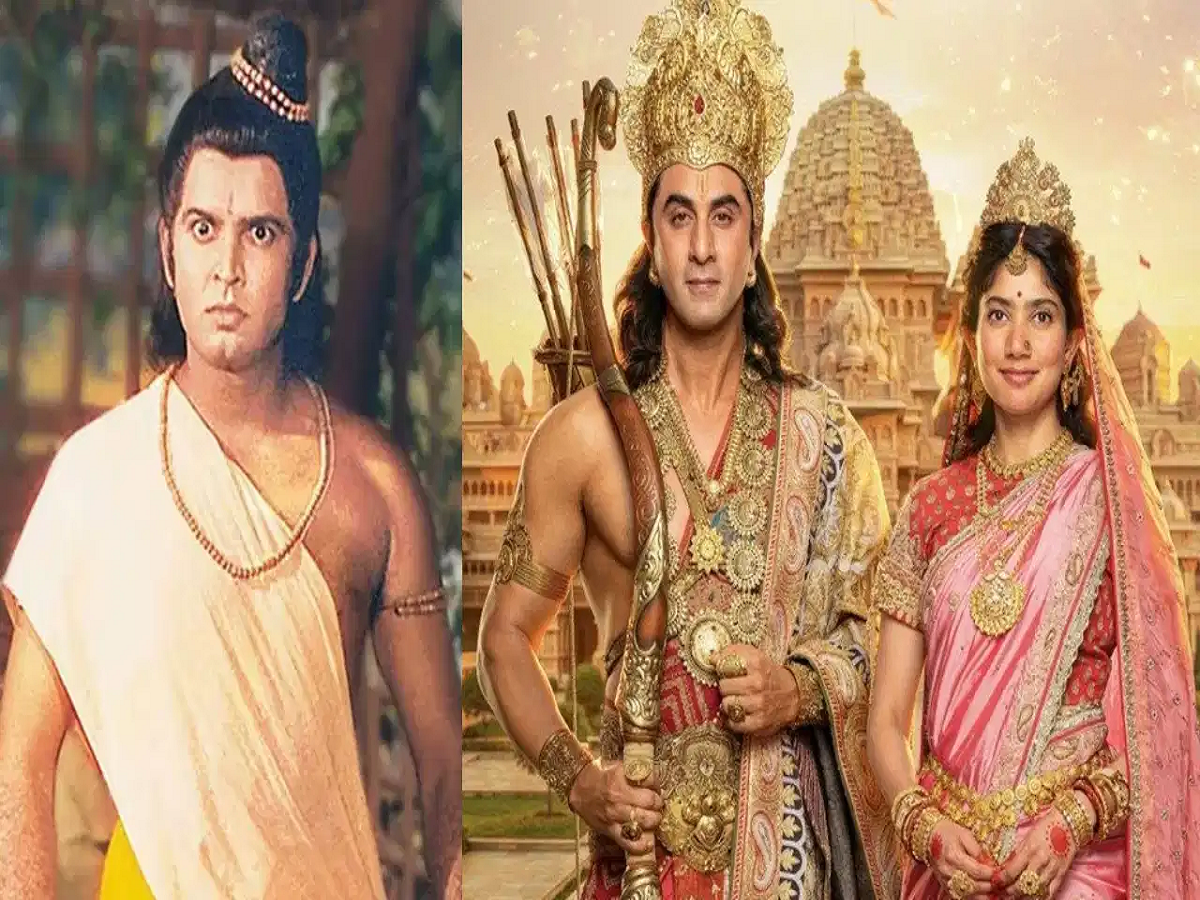
Ranbir Kapoor's much-awaited film Ramayan has been attracting considerable attention since its theatrical release. While the film has received a positive response from several viewers, its visual effects, performances and storytelling choices have also sparked discussions among audiences. Although the film's grand visuals and action sequences have impressed many people, some viewers believe that its emotional depth, dialogues and devotional elements could have been stronger.
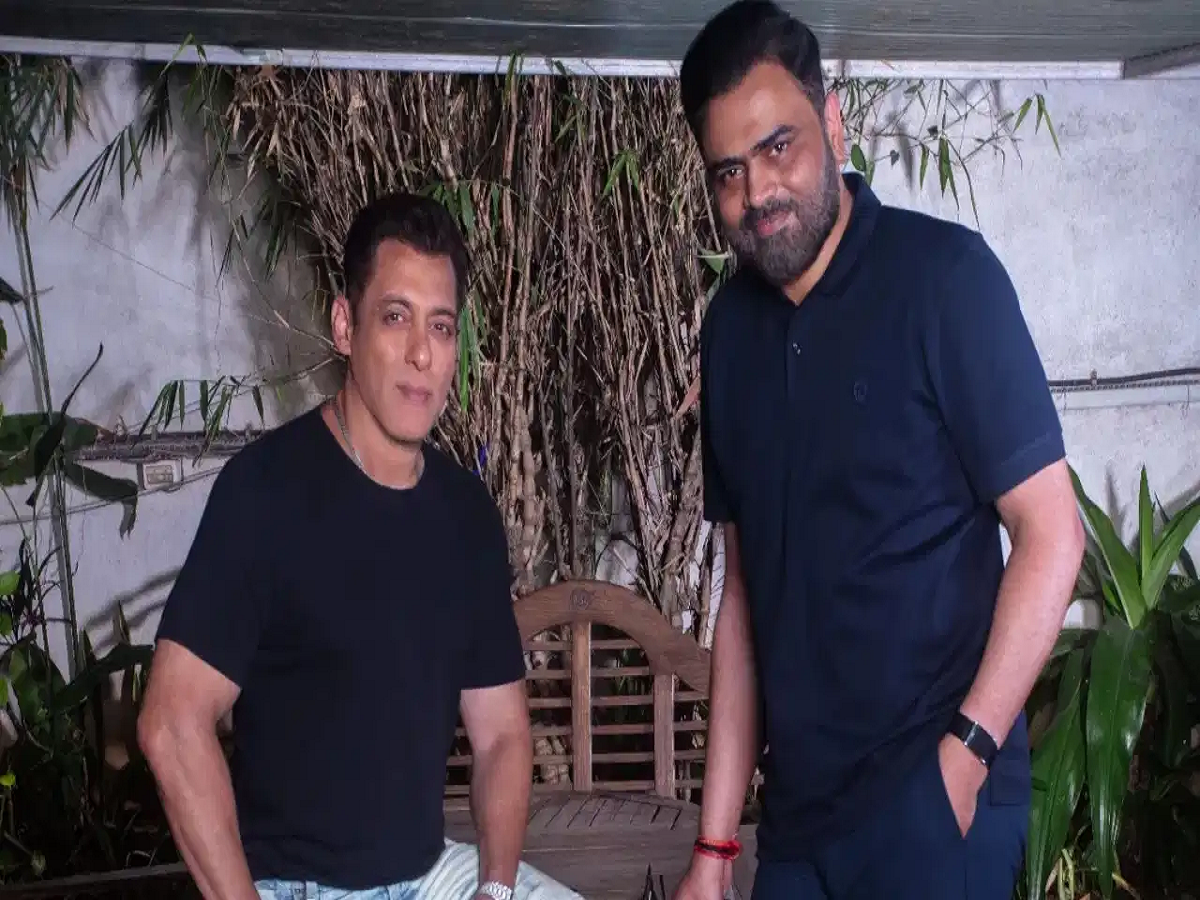
Now, Sunil Lahiri, who became popular for playing Lakshman in Ramanand Sagar's iconic television series Ramayan, has shared his opinion about the new film. The veteran actor appreciated several aspects of the production but also expressed disappointment over certain scenes, dialogues and the portrayal of important characters.
What Did Sunil Lahiri Say About Ranbir Kapoor's Ramayan?
Sunil Lahiri recently watched the new Ramayan and described his experience as mixed. Sharing his thoughts in a video on social media, he appreciated the film's production quality but questioned whether it successfully captured the spiritual essence of the epic.
In his social media post, he mentioned that the film lacked the sense of divinity and devotion expected from a story like Ramayan. He also pointed out that several important scenes were missing and that some conversations did not have the dignity and depth appropriate for the characters.
He further expressed his opinion that Ravana had been glorified excessively in the film.
Sunil Lahiri Praises the Film's VFX and Visual Effects
Despite his criticism, Sunil Lahiri had several positive things to say about the film.
He praised its large-scale production, describing the visual effects as world-class. According to him, the cinematography and visuals were beautiful and offered an impressive experience on the big screen.
He also appreciated the performances, saying that the actors had put considerable effort into portraying their respective characters. Some sequences, he felt, were particularly outstanding.
However, he believed that the filmmakers had not given sufficient attention to emotional moments and meaningful dialogues. He also specifically mentioned the Parashurama sequence, which he found disappointing.
Ahalya's Story and Other Important Scenes Missing
One of Sunil Lahiri's major complaints concerned the absence of certain important episodes from the original Ramayan.
He specifically mentioned that the Ahalya episode was missing from the film. He also expressed dissatisfaction with the way Shurpanakha addresses Lord Ram, suggesting that the presentation did not match his expectations.
According to the actor, several other scenes also lacked the emotional and devotional impact that audiences associate with the epic.
He believes that these elements are essential when adapting a religious and culturally significant story for the big screen.
Why Does Sunil Lahiri Feel the Film Focuses More on Power Than Devotion?
The most striking part of Sunil Lahiri's review was his observation that the film appeared to focus more on power and grandeur than spirituality.
In his opinion, the new adaptation gives considerable importance to action, visual effects and powerful character portrayals, while the devotional atmosphere and emotional depth take a back seat.
He encouraged viewers to watch the film themselves and share their opinions rather than simply relying on reviews.
A Different Perspective From Television's Lakshman
Sunil Lahiri's comments are particularly noteworthy because of his association with Ramanand Sagar's Ramayan, which remains one of the most memorable television adaptations of the epic.
His experience playing Lakshman gives him a distinct perspective on how these characters and stories can be presented on screen.
While the new Ramayan has received appreciation for its technical scale and visual presentation, his review highlights a broader debate about balancing modern filmmaking techniques with the spiritual, emotional and cultural significance of the original epic.
Ultimately, viewers may have different opinions about the film, but the discussion raises an important question: when adapting a timeless epic like Ramayan, should visual grandeur take priority, or should devotion and emotional storytelling remain at its heart?