TECH
Is this a bank SMS or a new ploy by cybercriminals? Here's a simple trick to spot fake messages, and you'll know in just a minute
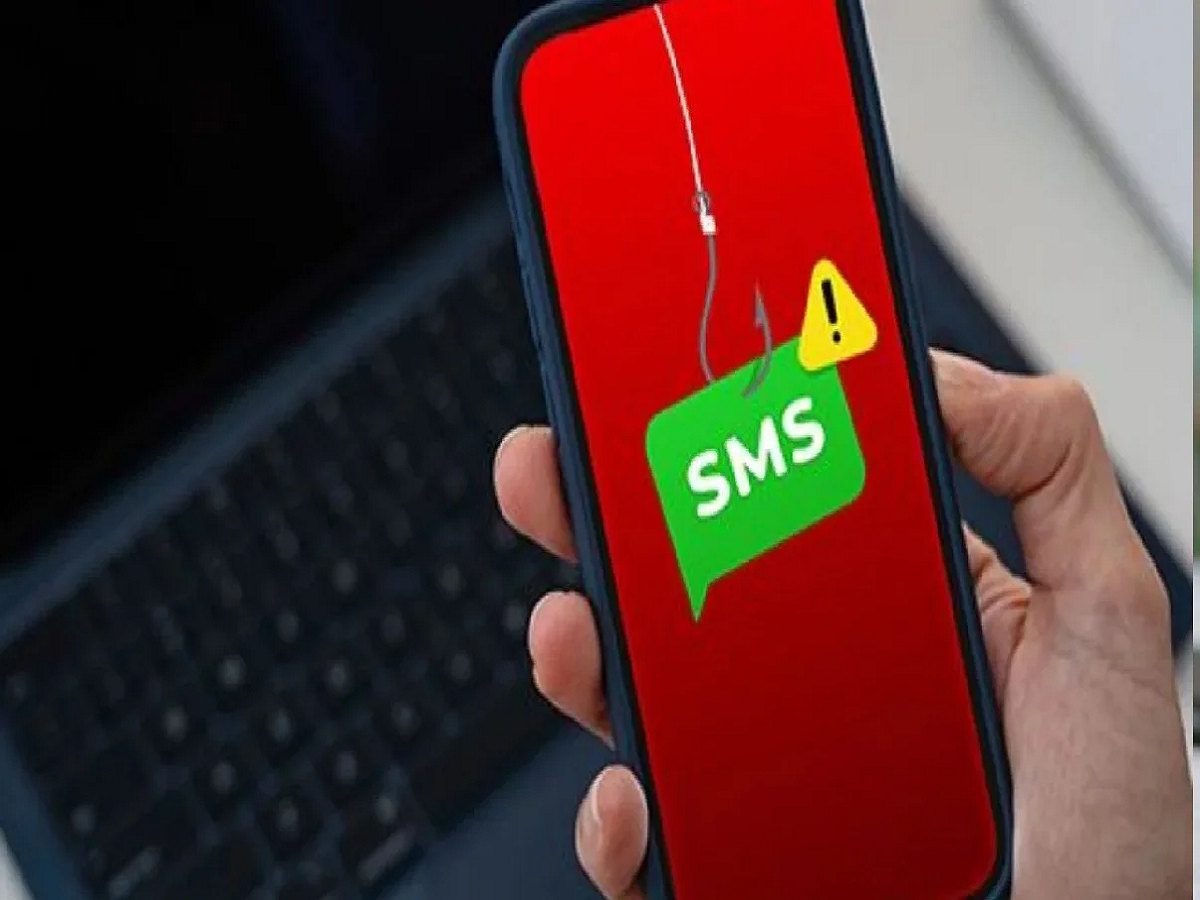
Cybercriminals use a variety of methods to defraud people. Cybercriminals often call individuals posing as government or bank officials and attempt to obtain their personal information or bank details. Cybercriminals also often send fake bank alerts and SMS messages to deceive people. These alerts and SMS messages appear to be sent by genuine banks. The subject line, method, and sender's name all appear genuine. Therefore, it is very difficult to distinguish between an SMS sent by cybercriminals and an SMS sent by a bank.
Recently, Professor Vinny Arora, Professor of Finance at Delhi University and SEBI registered investment advisor, shared a video about this on his Instagram profile @moneyvsme to warn people.
Check header information in SMS from 1909
Copy the sender header of an SMS received in the name of a bank and check its complete details using the 1909 service. For this, the Details of [Header] format can be used. After this, you will get information whether the SMS has a registered header or not. However, the 1909 service is primarily for reporting and providing information about unsolicited commercial messages. Therefore, it is not right to rely solely on the information received from 1909 and assume that the SMS is actually from the bank.
Use the TRAI Header Portal
Another way is to use TRAI's SMS Header Information Portal. The website smsheader.trai.gov.in allows you to view information about the sender's header. This website can help you determine the entity behind a commercial or government awareness message and whether the header is registered. If an SMS is sent in the name of a bank with a header that is not registered or associated with the bank, it's highly likely the message is fake.
Check the sender's name carefully.
According to TRAI regulations, SMS headers must be distinct between uppercase and lowercase letters. Therefore, even a single letter change could change the sender. Cybercriminals use similar-looking characters to create fake SMS messages, which can be used to defraud ordinary people.
Don't click on links.
Don't click on any unknown links in SMS or emails. Don't share your OTP, PIN, password, or bank details with anyone. If you have any doubts about a transaction, instead of using the link or number provided in the SMS, open the bank's official mobile app or contact the bank's official customer service department.
PC: Rajasthan Khabre