As winter approaches, water heaters become an essential part of everyday life. From taking a warm shower in the morning to washing utensils, hot water makes household chores more comfortable. Traditional electric geysers have been the most common choice for years, but a different technology is attracting attention: the induction geyser.
Unlike conventional water heaters that use an electric heating element, induction-based systems use electromagnetic technology to generate heat. But how does this technology work, what makes it different from a regular geyser, and can it actually reduce electricity bills? Here is everything you need to know.
How Does an Induction Geyser Heat Water?
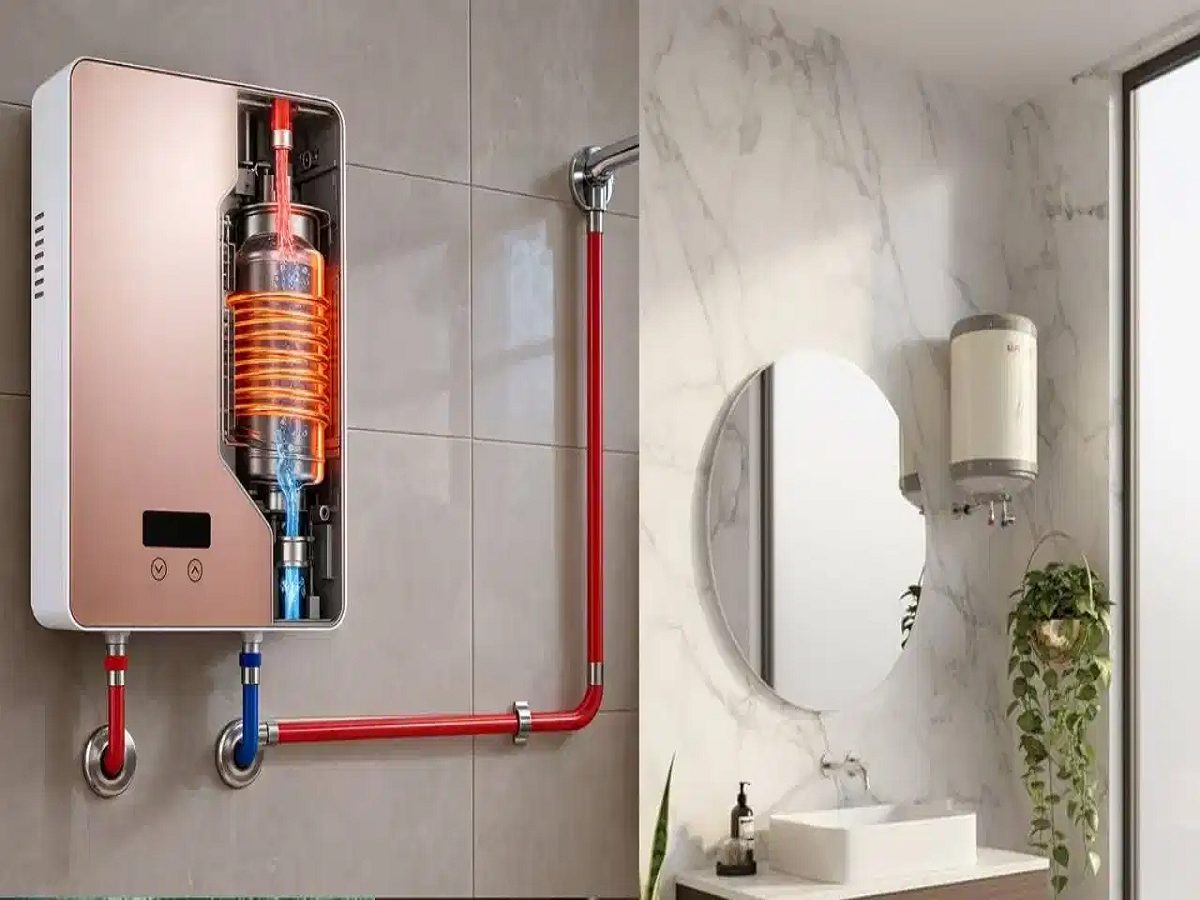
The technology behind an induction geyser is similar in principle to that of an induction cooktop. Instead of relying on a conventional heating rod immersed in water, the system uses an electromagnetic field to generate heat in a suitable metal component.
The heat is then transferred to the water stored in the tank or flowing through the heating system, depending on the design.
An induction-based water heater generally requires an electromagnetic coil, an electronic power-control system and a heat-transfer component. Some models may also include a storage tank and digital temperature controls.
The objective is to heat water efficiently while allowing users to control the desired temperature. However, the exact mechanism and performance can vary between products, so buyers should check the manufacturer's specifications.
Induction Geyser vs Traditional Electric Geyser
The biggest difference between the two systems is how heat is generated and transferred to the water.
In a conventional electric geyser, an electrical resistance element converts electricity into heat. This heat passes directly into the surrounding water. Over time, minerals present in hard water can accumulate on the heating element, forming scale that may reduce heating efficiency.
An induction-based design can avoid having a conventional electric heating rod directly exposed to the water. Depending on its construction, this may reduce scale accumulation on certain heating components and make maintenance easier.
However, induction geysers can still develop mineral deposits on water-contact surfaces. Their maintenance requirements will depend on the design, water quality and manufacturer's recommendations.
Is an Induction Geyser Safer?
Because some induction designs keep electrical heating components separate from the water, they may reduce certain risks associated with exposed or damaged heating elements.
However, no electric water heater should be considered completely risk-free. Electrical insulation, proper earthing, overheat protection, pressure-relief mechanisms and installation quality remain important.
Before buying any geyser, check for appropriate safety certifications, protection against overheating and excessive pressure, and reliable after-sales service. Installation by a qualified professional is also essential.
Will an Induction Geyser Reduce Your Electricity Bill?
This is one of the most important questions for anyone planning to buy a new water heater.
Induction technology may offer benefits in heat transfer and temperature control, but it does not automatically guarantee lower electricity consumption. Both induction-based and conventional electric heaters convert electrical energy into heat.
The electricity required depends largely on how much water needs to be heated, the starting and target temperatures, heat losses, the appliance's efficiency and how frequently it is used.
For example, heating a larger volume of water generally requires more energy than heating a smaller volume under the same conditions. A well-insulated conventional geyser may also perform efficiently by reducing heat loss during storage.
To determine whether an induction geyser is economical, compare its rated power, measured energy consumption, heating time, insulation quality and operating costs with those of a conventional model of similar capacity.
What Should You Check Before Buying One?
If you are considering an induction geyser this winter, keep these factors in mind:
-
Capacity: Choose a tank size that suits the number of people in your household and your hot-water requirements.
-
Electricity consumption: Compare energy-efficiency information and real-world consumption figures wherever available.
-
Heating performance: Check how quickly the model heats water and whether it maintains the desired temperature.
-
Safety features: Look for overheat protection, pressure-relief protection, proper electrical safeguards and relevant certifications.
-
Maintenance: Check whether the unit requires descaling or periodic servicing, especially if your home receives hard water.
-
Warranty and service: Confirm that the manufacturer offers dependable support and replacement parts.
Is Induction Geyser Technology Worth Considering?
Induction-based water heating is an interesting alternative to conventional electric heating, particularly if the design offers easier maintenance, effective temperature control or other practical benefits.
However, buyers should avoid assuming that every induction geyser heats water faster, consumes less electricity or lasts longer than a traditional model. These advantages depend on the specific product and how it is used.
Before making a purchase, compare verified specifications, safety features, warranty terms and energy consumption rather than choosing a model based on the word “induction” alone.