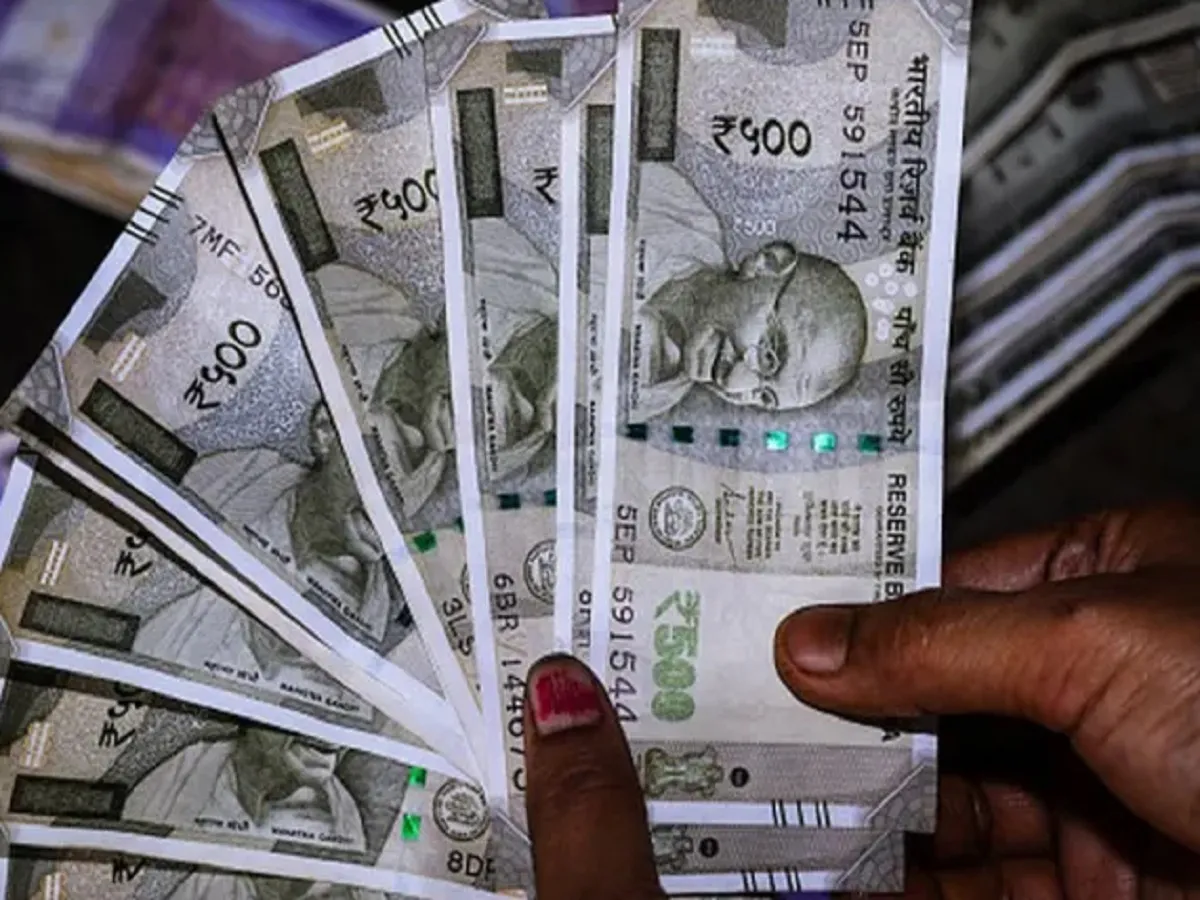
Currently, Indian banks and the Reserve Bank of India (RBI) hold over ₹1.84 lakh crore in unclaimed deposits, spanning savings accounts, current accounts, and term deposits that haven't been active for 10 or more years. Here's how you can claim your unclaimed funds and ensure your money is safe and accessible again.
Step 1: Check for Unclaimed Deposits
-
Visit the UDGAM portal operated by RBI to search for any unclaimed deposits linked to your name or bank account details.
-
You can also contact your specific bank directly, such as SBI, ICICI, HDFC, or Indian Bank, for their unclaimed deposits list. Many banks have dedicated pages and forms for claims.
Step 2: Visit Your Bank Branch
-
Go to your bank branch with valid proof of identity (Aadhaar, PAN, passport, voter ID, etc.) and address proof.
-
If claiming on behalf of a deceased account holder, submit the death certificate along with legal heirs' documents.
-
Request to fill out the claim form for unclaimed deposits.
Step 3: Submit Required Documents
-
Identity proof, address proof, and proof of account ownership.
-
For deceased account claims, submit legal documents establishing inheritance rights.
Step 4: Verification and Transfer
-
The bank will verify your credentials and process the claim.
-
Once verified, the amount will be transferred to your active account.
-
In case of unclaimed deposits, banks transfer the funds to RBI’s Depositor Education and Awareness (DEA) Fund after 10 years of inactivity. Claiming from this fund is also possible at any time by the rightful owner or legal heirs.
Additional Help and Campaigns
-
RBI periodically conducts campaigns and special camps to help depositors recover their funds.
-
The “Your Money, Your Right” initiative aims to guide citizens on searching, updating records, and claiming their unclaimed assets.
Tip: Always keep your KYC details updated with your bank to avoid your account becoming classified as inactive or unclaimed. Regularly check for any dormant funds and claim them promptly!