We often visit hotels and restaurants for birthdays, family dinners, dates and special occasions. While choosing a restaurant, most people focus on the menu, ambience and reviews. But there is another important factor that should not be ignored — hygiene and food safety.
A LocalCircles survey found that only 32% of respondents considered the cleanliness and food safety of restaurants in their area to be good. Around 42% rated it as average, while 9% considered it very poor. The survey included responses from around 91,000 people across approximately 244 districts.
So, before eating at a restaurant or hotel, it can be useful to pay attention to a few basic hygiene signs.
1. Check the smell of the food
Your sense of smell can sometimes provide an early warning. If the food has an unusual, sour, rotten or otherwise unpleasant smell, avoid eating it and inform the restaurant staff.
However, remember that food can sometimes be unsafe even when it smells normal, so smell alone cannot guarantee safety.
2. Observe the hygiene of the staff
Take a quick look at the people handling or serving your food. Clean hands, appropriate clothing and good personal hygiene are positive signs.
Poor hygiene among food handlers can indicate inadequate food-safety practices, although you cannot determine the cleanliness of a kitchen solely by observing a server.
3. Look at the food's appearance
Pay attention to whether the food looks unusual compared with what you ordered. Discoloration, mould, unexpected spots or other visible changes can be warning signs.
If something looks suspicious, don't take the risk of tasting it just to check whether it is safe.
4. Don't ignore an unusual taste
If food tastes unexpectedly sour, bitter, stale or otherwise different from what it should taste like, stop eating it.
Many people continue eating because they don't want to waste money, but unusual taste can be a reason to raise the issue with the restaurant.
5. Check the plates and serving utensils
Before eating, make sure your plate, spoon, glass and other utensils appear clean. Look for leftover food, visible dirt or unpleasant odours.
If the utensils are visibly dirty, ask the restaurant staff for clean ones.
6. Pay attention to how food is stored
If you can see raw ingredients, buffet counters or prepared food, notice whether they appear to be stored appropriately.
Raw and cooked foods should be handled and stored separately to reduce the risk of cross-contamination. Food that is left exposed or appears to have been stored improperly should be treated with caution.
7. Take a look at the restaurant's overall cleanliness
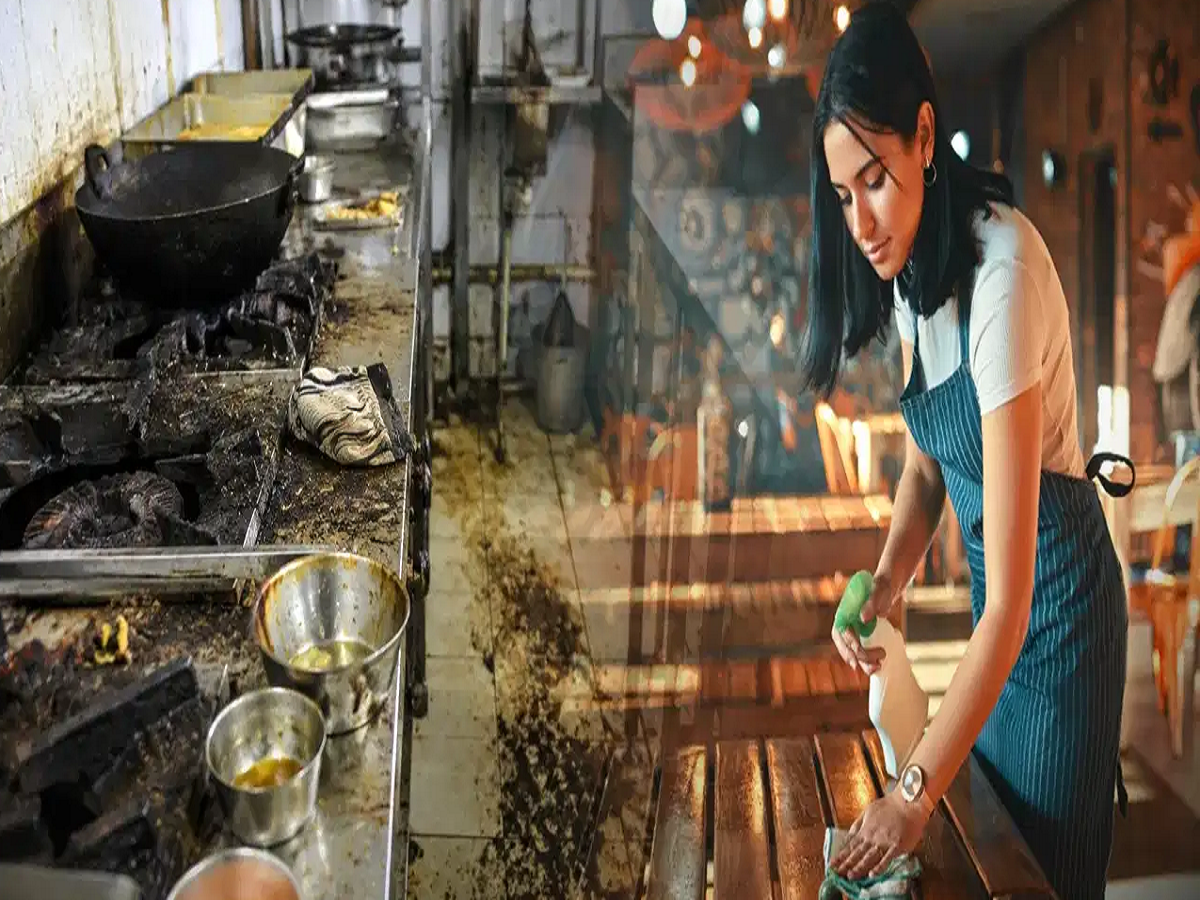
The overall condition of a restaurant can provide useful clues about its hygiene practices. Check whether tables, floors, serving areas and other visible spaces are reasonably clean.
You can also look at the washroom. A dirty bathroom does not automatically mean the kitchen is unsafe, but consistently poor cleanliness throughout the premises can be a reason to reconsider dining there.
Don't ignore food-safety warning signs
You don't need to inspect every corner of a restaurant before ordering a meal. However, noticing obvious warning signs can help you make a safer decision.
If food appears spoiled, smells unusual, tastes abnormal or is served in visibly dirty utensils, stop eating it and inform the restaurant manager. If you develop symptoms such as persistent vomiting, severe diarrhoea, dehydration or significant abdominal pain after eating, seek medical advice.
Good hygiene is not just about how a restaurant looks — proper food handling, storage, cooking and serving practices are equally important.