INTERNATIONAL
Hindu Temple Plan in Cambridgeshire Faces Setback as UK Council Allocates Land to Church-Led Project
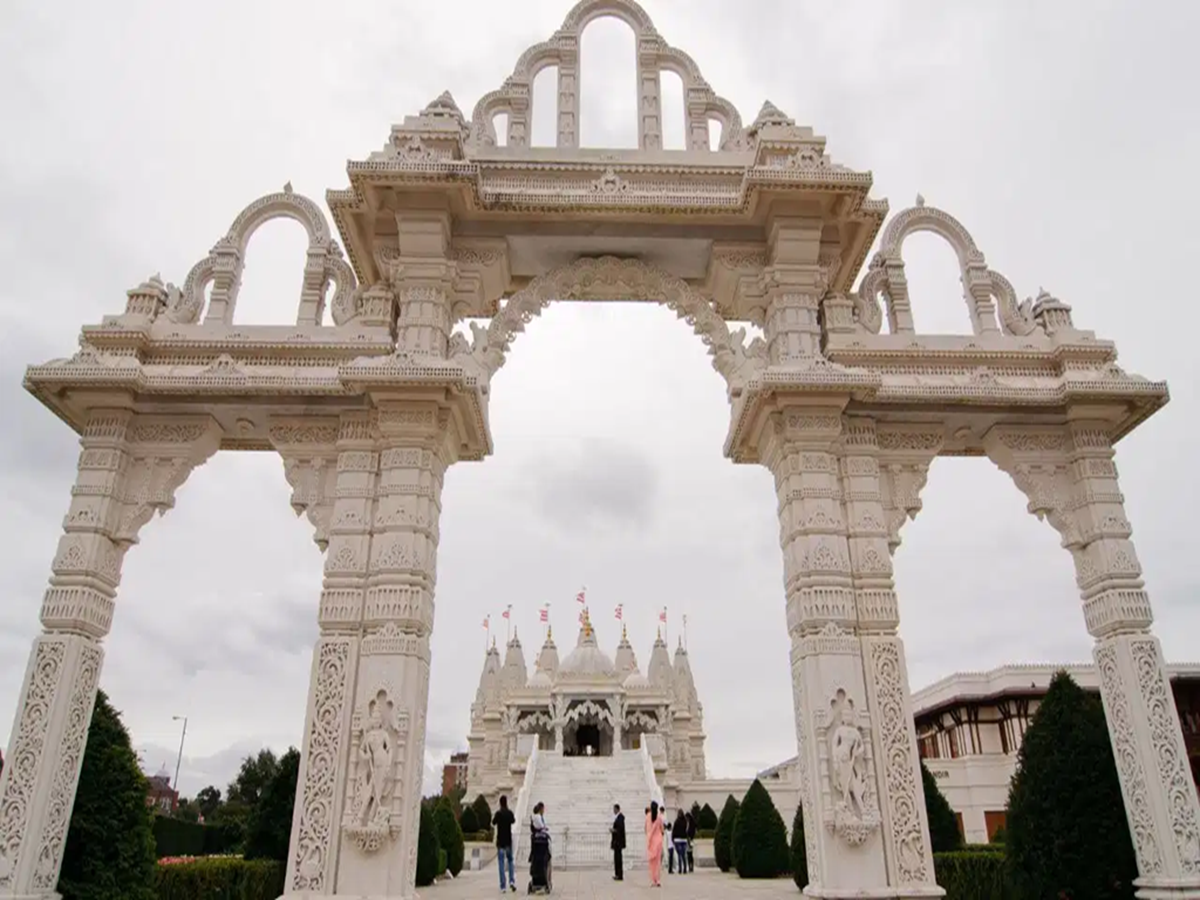
The long-awaited plan to build the first Hindu temple in Cambridgeshire, United Kingdom, has suffered a major setback after South Cambridgeshire District Council decided to allocate the proposed land to a church-led development instead. The decision has sparked disappointment among the local Hindu community, which had hoped to establish a dedicated place of worship in the region.
What was the land decision about?
The council evaluated multiple proposals for a long-term development project in Northstowe, a town in Cambridgeshire. The land will be leased on a 999-year agreement.
Two key proposals were considered:
- Hindu Samaj Northstow (HSN) — proposed a Hindu temple along with an interfaith and wellness centre
- Northstow Church Network (NCN) — proposed a church-led community hub including worship space and educational facilities
After evaluation:
- HSN scored 65%
- NCN scored 81%
Based on these scores, the land was awarded to NCN.
What does the approved project include?
The selected Northstow Church Network proposal reportedly includes:
- A church and community worship space
- An education centre
- A designated prayer space for the local Muslim community
The project also reflects an interfaith community model aimed at serving multiple groups in the area.
Why the Hindu community is disappointed
Local Hindu residents expressed disappointment, saying Cambridgeshire currently has:
- No dedicated Hindu temple
- Limited access to formal worship spaces
- Long travel distances (up to 2 hours) to temples in cities like London or Birmingham
They also highlighted challenges such as:
- Difficulty conducting major festivals like Mahashivratri and Ganesh Utsav locally
- Lack of permanent space for rituals and idol worship
- Cultural disconnect among younger generations growing up without local religious infrastructure
HSN representatives have questioned the transparency of the evaluation process and are reportedly considering an appeal.
Council’s response
Council officials defended the decision, stating that:
- All proposals were assessed using predefined criteria
- Financial preparedness and completeness of documentation were key factors
- The process was applied uniformly to all applicants
They emphasized that the decision was based on scoring and compliance with requirements.
Wider context
Northstowe is a developing town with a diverse population, including Christian, Hindu, and Muslim residents. While churches and mosques already exist or are planned in nearby areas, Hindu residents have long requested a dedicated temple space.
The decision highlights ongoing debates in multicultural communities about:
- Equal access to religious infrastructure
- Fair allocation of public land
- Representation of minority faiths in urban planning