BUSINESS
Government Launches 12 New Horticulture Clusters and 521 Agriculture Infrastructure Projects: How Farmers Can Benefit
The Central Government has announced a fresh push to strengthen India's agricultural infrastructure, with 521 projects developed under the Agriculture Infrastructure Fund (AIF) dedicated to the nation and 12 horticulture clusters inaugurated on October 30, 2026.
The initiatives are aimed at improving agricultural storage, processing facilities and market access while encouraging farmers to move beyond traditional cultivation. These projects are expected to create better opportunities for farmers, Farmer Producer Organisations (FPOs), agricultural entrepreneurs and other stakeholders in the farming sector.
What Is the Agriculture Infrastructure Fund?
The Agriculture Infrastructure Fund is a government financing facility designed to support the development of post-harvest management infrastructure and community farming assets.
It provides financial support for eligible projects such as:
-
Warehouses and storage facilities.
-
Cold storage and cold-chain infrastructure.
-
Sorting, grading and packaging units.
-
Primary processing facilities.
-
Supply-chain infrastructure.
-
Community farming assets.
The objective is to reduce post-harvest losses and help farmers preserve the quality of their produce until it reaches the market.
Who Can Benefit from the Agriculture Infrastructure Fund?
The scheme is intended to support a wide range of agricultural stakeholders, including:
-
Farmers and individual agricultural entrepreneurs.
-
Farmer Producer Organisations.
-
Primary Agricultural Credit Societies.
-
Agricultural cooperatives.
-
Start-ups and agri-business entrepreneurs.
-
Self-help groups and joint liability groups.
Eligible applicants can explore financing for approved infrastructure projects through participating lending institutions, subject to the scheme's conditions.
What Are the Benefits of the AIF Scheme?
The Agriculture Infrastructure Fund provides an interest subvention of 3% per annum on eligible loans of up to ₹2 crore. This benefit is available for a maximum period of seven years, subject to the scheme's guidelines.
Eligible projects may also receive credit guarantee coverage under the Credit Guarantee Fund Trust for Micro and Small Enterprises (CGTMSE), where applicable.
This can help reduce financing costs and make it easier for agricultural businesses to invest in infrastructure.
What Are the 12 Horticulture Clusters?
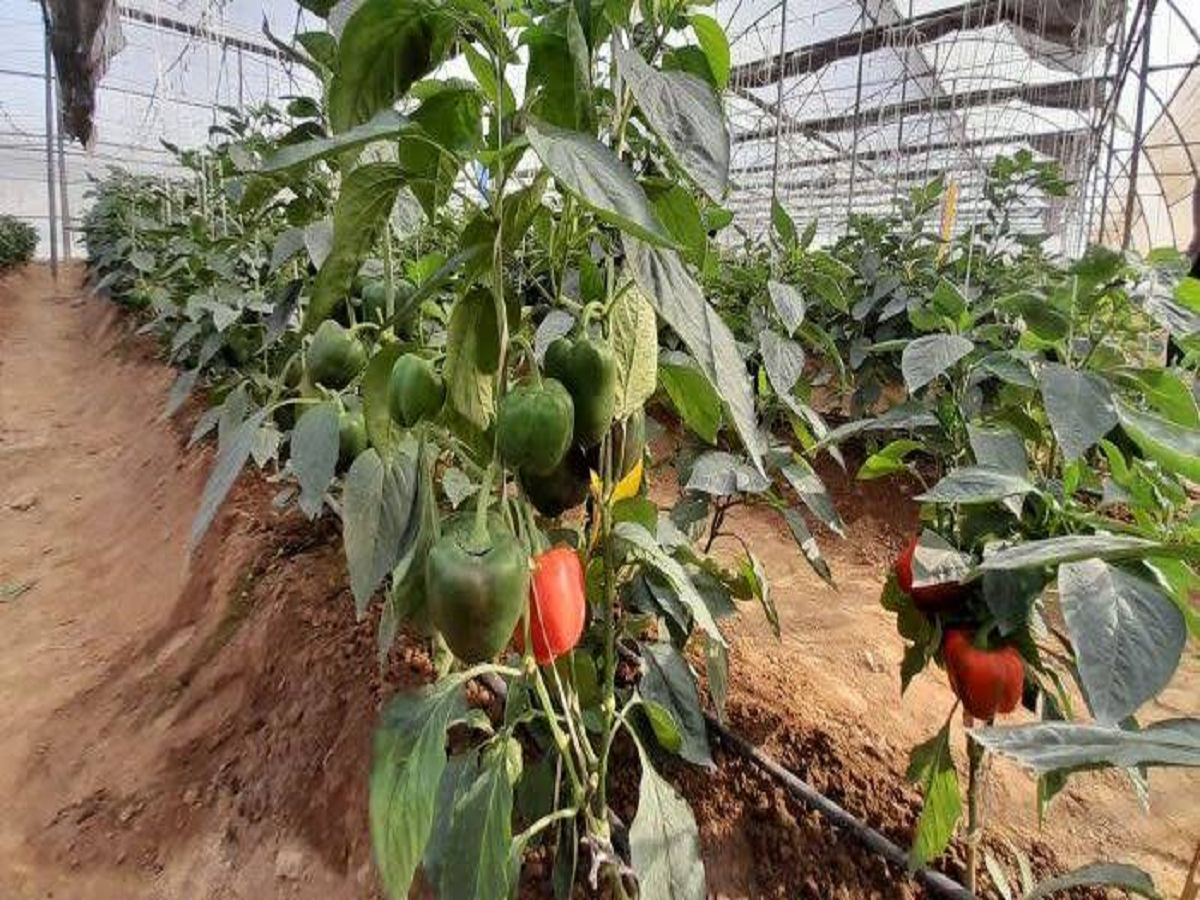
The government has also inaugurated 12 horticulture clusters to encourage the cultivation and development of high-value horticultural crops.
Horticulture includes fruits, vegetables, flowers, spices and other commercial crops. Cluster-based development aims to bring together cultivation, processing, storage and marketing activities in selected areas.
Such an approach can help farmers improve productivity, access better infrastructure and explore more organised marketing opportunities.
How Can Farmers and Entrepreneurs Apply?
People interested in establishing eligible agricultural infrastructure projects can follow these steps:
-
Identify the infrastructure requirement, such as a warehouse, cold storage or processing unit.
-
Prepare a project proposal with estimated investment and financial details.
-
Check eligibility under the Agriculture Infrastructure Fund.
-
Approach a participating bank or lending institution.
-
Submit the required documents and project details.
-
Complete the lender's appraisal and approval process.
Applicants can obtain scheme information through the official Agriculture Infrastructure Fund portal: https://agriinfra.dac.gov.in/
Why Are These Projects Important for Farmers?
A major challenge for farmers is the lack of adequate storage and processing facilities. When agricultural produce cannot be stored properly, farmers may be forced to sell immediately after harvesting, sometimes at unfavourable prices.
Better warehouses, cold storage facilities and processing units can help reduce wastage and improve supply-chain efficiency.
The latest government initiatives aim to strengthen the infrastructure between farms and markets, creating opportunities for farmers and agricultural businesses to improve their earnings over time.