BUSINESS
Government Approves New GOBARdhan Scheme: How Turning Cattle Waste Into Biogas Could Benefit Rural India
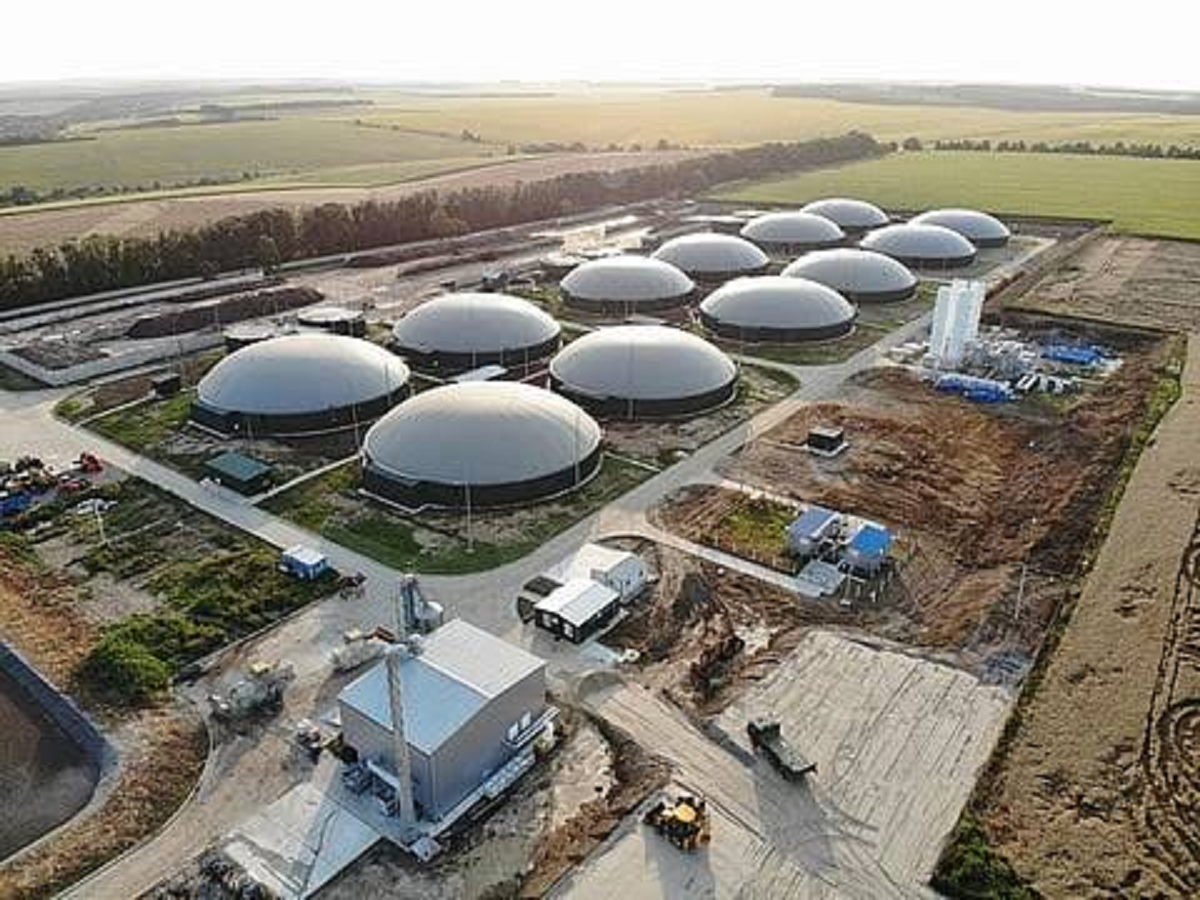
The Government of India has approved a new GOBARdhan Scheme with an ambitious focus on increasing the country's production of Compressed Biogas (CBG) while creating new opportunities for rural areas.
The Union Cabinet approved the scheme on 6 August 2026, with an outlay of ₹23,731 crore. The initiative aims to significantly increase domestic CBG production and promote the conversion of organic waste into useful energy.
What Is the GOBARdhan Scheme?
GOBARdhan stands for Galvanizing Organic Bio-Agro Resources Dhan.
The basic idea is to convert cattle dung, agricultural residue and other organic waste into useful products such as biogas, compressed biogas and organic manure.
Instead of treating agricultural and animal waste simply as waste material, the scheme aims to turn it into an economic resource.
Why Is the Government Focusing on CBG?
Compressed Biogas can be used as a cleaner fuel and can be produced from several types of organic waste.
Increasing domestic production can help reduce dependence on imported fossil fuels while also creating a market for agricultural and organic waste.
The government has said the new GOBARdhan initiative aims to increase domestic CBG production nearly ten-fold.
How Could Farmers Benefit?
One potential benefit is the creation of a market for agricultural and livestock waste.
Cattle dung and crop residue that might otherwise be discarded or burned can potentially become inputs for biogas production.
The process can also produce organic manure, which can be used in agriculture.
This creates the possibility of an additional source of value from materials that previously had limited economic use.
Can Villages Benefit Too?
Yes. The scheme is designed with rural prosperity and waste management in mind.
Large-scale biogas projects can create local demand for organic waste and generate employment opportunities related to collection, transportation, processing and plant operations.
For villages with substantial livestock populations or agricultural activity, organised waste management could become an additional economic activity.
What Happens to the Waste After Processing?
Organic material used in biogas plants doesn't simply disappear.
The process can produce digestate or organic manure that can potentially be used in farming after appropriate processing and quality controls.
This can support the broader idea of a circular rural economy, where agricultural waste is converted into energy and useful by-products.
Is This a Direct Cash Benefit for Every Farmer?
No.
One important point for readers is that the GOBARdhan Scheme should not be confused with a scheme that deposits a fixed amount of money directly into every farmer's bank account.
Its benefits are primarily linked to the development of biogas and CBG infrastructure, waste-to-energy projects and the wider rural economy.
Individual benefits will depend on the specific project, participating organisation and applicable government guidelines.
Why Could This Matter for the Environment?
Agricultural and animal waste can create environmental problems when it is improperly disposed of.
Converting suitable organic waste into biogas can provide an alternative use for these materials while producing energy.
It can also support efforts to reduce dependence on conventional fuels and improve waste management.
What Should Farmers and Rural Entrepreneurs Do?
Anyone interested in participating should look for official implementation guidelines and announcements from the relevant government departments.
Farmers should be cautious of unofficial agents promising guaranteed payments or asking for money in exchange for registration.
The actual eligibility, financial support and participation process will depend on the applicable scheme rules and project structure.
The Bottom Line
The newly approved ₹23,731-crore GOBARdhan Scheme is aimed at turning organic waste into an economic resource by expanding India's CBG ecosystem.
For rural India, the initiative could create opportunities around waste collection, biogas production, cleaner fuel, organic manure and local employment.
The bigger idea is simple: what was once treated as agricultural waste could increasingly become a source of energy, income and rural economic activity.