BUSINESS
Government’s New Water Conservation Push: What the ‘Catch the Rain’ Campaign Means for Households
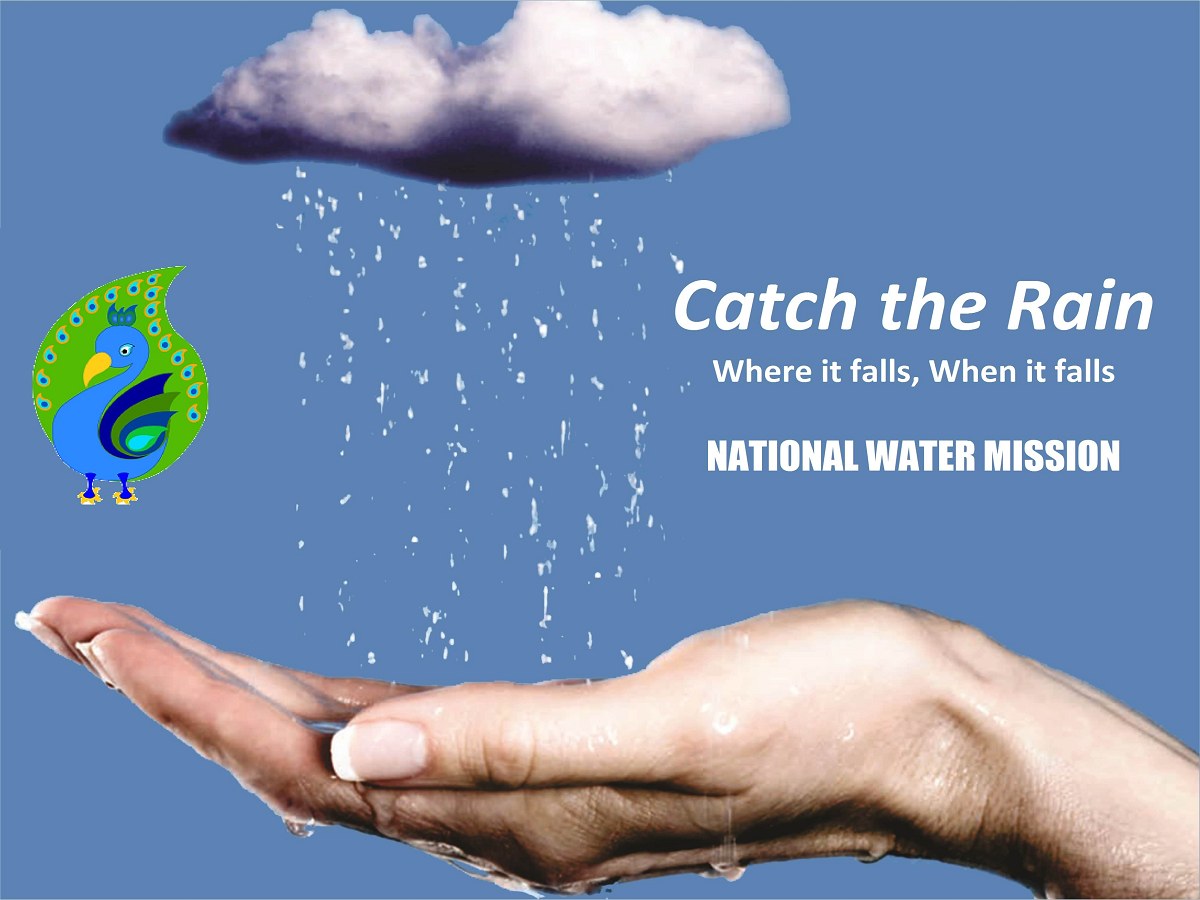
Water conservation has become a major focus of the government's efforts to address growing pressure on groundwater and local water resources. The latest Catch the Rain campaign has placed renewed emphasis on rainwater harvesting, groundwater recharge and restoration of traditional water bodies.
The nationwide campaign was carried out from 4 July to 4 August 2026, following the Prime Minister's call for citizens to save every drop of rain. The initiative focused on rainwater harvesting, groundwater recharge, restoration of water bodies and greater public participation.
What Is Catch the Rain?
Catch the Rain is a nationwide water-conservation campaign that encourages people and local authorities to capture rainwater rather than allowing it to run off unused.
The campaign promotes measures such as:
-
Rainwater harvesting
-
Groundwater recharge
-
Restoration of ponds and traditional water bodies
-
Plantation and ecological activities
-
Community participation in water conservation
The broader objective is to improve water availability and strengthen local water resources.
Why Is Rainwater Harvesting Important?
During the monsoon, large quantities of rainwater can quickly flow away from rooftops, roads and other paved surfaces.
A properly designed rainwater-harvesting system can collect some of this water and direct it toward storage or groundwater-recharge structures.
This can help households and communities make better use of seasonal rainfall.
What Can Homeowners Do?
You don't necessarily need a large or expensive system to start conserving rainwater.
Homeowners can explore options such as collecting rooftop rainwater, directing runoff toward suitable recharge structures and ensuring that existing drainage systems are not unnecessarily wasting rainwater.
However, any groundwater-recharge structure should be designed according to local conditions and applicable municipal or state rules.
Don't Ignore Traditional Water Bodies
Ponds, lakes, stepwells and other traditional water structures can play an important role in local water management.
The campaign also emphasizes restoring such water bodies rather than relying exclusively on new infrastructure.
Keeping these structures free from waste and encroachment can improve their usefulness during periods of rainfall.
How Can Apartment Residents Participate?
People living in apartments may not have the ability to construct individual rainwater-harvesting systems.
They can instead approach their housing society or residents' association about rooftop rainwater collection, recharge pits and other suitable conservation measures.
Even small improvements across several buildings can make a meaningful difference at the community level.
Is There a Direct Cash Benefit?
An important point for citizens is that Catch the Rain is primarily a water-conservation campaign, not a scheme that promises a fixed cash payment to every household.
Therefore, people should be cautious of anyone claiming that the government is offering guaranteed cash simply for registering under the campaign.
For information about applicable government programmes and schemes, citizens should rely on official government portals and local authorities. The National Portal of India maintains information on government schemes and their eligibility and application processes.
Why the Campaign Matters
Water conservation is not only a government responsibility. Household consumption, groundwater extraction, construction activity and local land-use patterns all affect water availability.
The latest Catch the Rain push is therefore aimed at encouraging communities to treat rainwater as a resource that should be captured and conserved rather than lost as runoff.
The Bottom Line
The latest Catch the Rain campaign puts the spotlight on practical water conservation, including rainwater harvesting, groundwater recharge and restoration of traditional water bodies.
For households, the most useful takeaway is simple: check whether rainwater from your roof or property can be safely harvested or directed toward an appropriate recharge system, and encourage your local society or community to adopt similar measures.
Saving water during the rainy season can help improve water security long after the monsoon has ended.