BUSINESS
FASTag Users Should Check Their Account: New Rules Make It Important to Keep Your Vehicle Details Updated
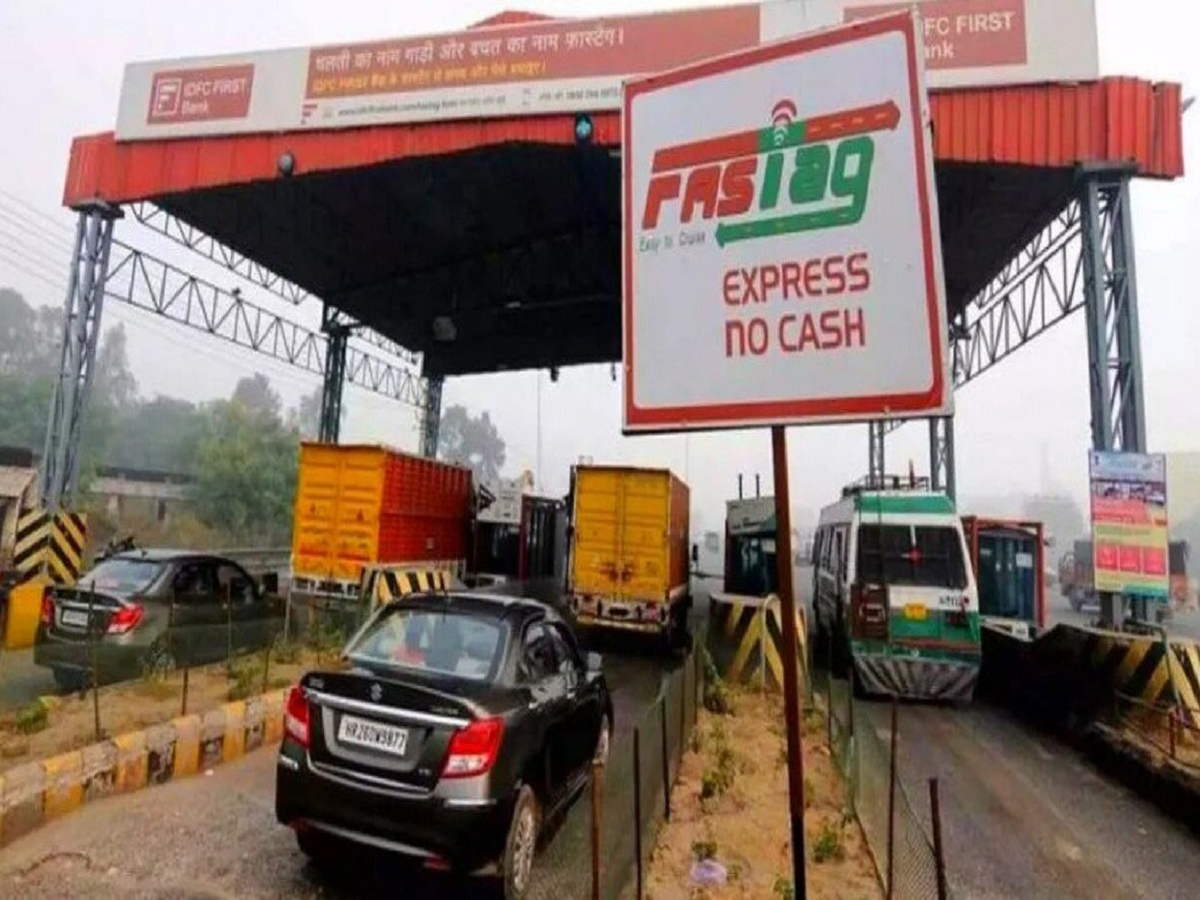
FASTag has become an essential part of highway travel in India, allowing toll payments to be deducted electronically without stopping at toll plazas. But with the expansion of electronic toll collection and stricter vehicle-related checks, keeping your FASTag account and vehicle details updated has become increasingly important.
The National Highways Authority of India (NHAI) has been encouraging FASTag users to ensure that their FASTag is properly linked to the correct vehicle registration number and that the account has sufficient balance before travelling. A mismatch between the vehicle and FASTag can result in problems at toll plazas and may require the tag to be replaced or corrected.
One Vehicle Should Have the Correct FASTag
FASTag is associated with a specific vehicle. If a person purchases a new vehicle, changes the registration details or transfers a FASTag incorrectly, the information should be updated through the relevant issuing bank.
This is particularly important for people who have recently purchased a second-hand vehicle. The FASTag associated with the previous owner's vehicle should not simply be used without checking whether the ownership and vehicle details have been properly updated.
What Happens If Your FASTag Does Not Work?
A FASTag may fail at a toll plaza for several reasons, including insufficient balance, an inactive tag, incorrect vehicle details, damaged windshield placement or technical problems.
Drivers should check their FASTag balance before starting a long journey. If the tag has been blacklisted or suspended, simply adding money may not resolve the problem.
FASTag Balance Can Be Checked Online
Most FASTag issuing banks and service providers provide online facilities to check the balance and transaction history. Users can also receive notifications about toll deductions and recharge their accounts digitally.
Checking recent transactions can be useful if you notice an unexpected deduction. It allows you to identify the toll plaza, date and amount involved.
Don't Ignore SMS Alerts
FASTag users should pay attention to transaction messages received after crossing toll plazas. If a deduction appears for a journey that you did not make, immediately check your FASTag account and contact the issuing bank or FASTag service provider.
Do not share an OTP, UPI PIN, card PIN or internet-banking password with anyone claiming to help resolve a FASTag problem.
What Second-Hand Car Buyers Should Do
If you have recently purchased a used car, FASTag should be one of the documents you check along with the Registration Certificate, insurance and other vehicle records.
The previous owner's FASTag should be closed or removed from the vehicle as appropriate, and a new FASTag should be obtained and linked to the new vehicle owner according to the issuing bank's procedure. This can help prevent confusion over toll transactions.
Keep These Details Updated Before a Highway Trip
Before travelling on a national highway, drivers should check their FASTag balance, verify that the tag is active and ensure that it is correctly associated with the vehicle. It is also worth checking whether the FASTag is properly affixed to the vehicle's windshield, as improper placement can affect scanning.
For official FASTag-related information and highway services, users can visit NHAI's official website. For FASTag services, users should also rely on the official website or app of the bank or issuer that issued their FASTag.