LIFESTYLE
Eating Bajra Roti This Winter? A Dietitian Explains Its Health Benefits and the Mistake You Should Avoid
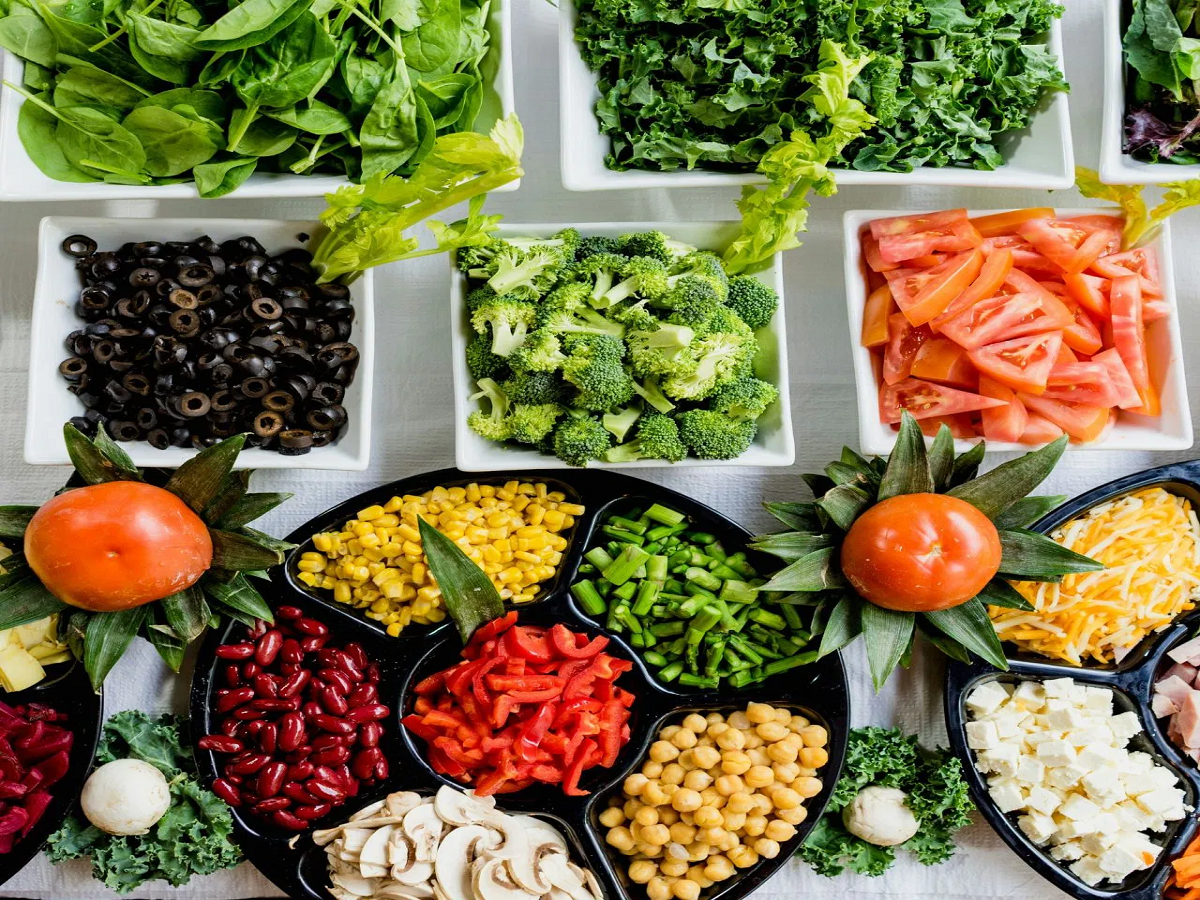
Bajra roti is a popular winter food in many Indian households. Known for its nutritional value and warming qualities, pearl millet is a healthy addition to a balanced diet. It contains dietary fibre, plant-based protein, magnesium, iron and antioxidants that support several important functions in the body.
However, simply adding bajra roti to your meals does not guarantee a balanced diet. According to dietitian Geetika Chopra, the way you combine it with other foods also plays an important role in getting its nutritional benefits.
Here are some important health benefits of bajra roti and a common dietary mistake you should avoid.
1. Supports Better Digestive Health
Bajra is a good source of dietary fibre, which helps regulate bowel movements and supports a healthy digestive system. Including fibre-rich foods in your daily diet may help prevent constipation and improve digestive regularity.
However, adequate water intake is equally important. Increasing fibre consumption without drinking enough water can sometimes cause bloating or discomfort.
2. Provides Minerals for Bone and Muscle Health
Pearl millet contains essential minerals such as magnesium and phosphorus, which contribute to normal muscle function and bone health.
Magnesium also plays a role in nerve function and several metabolic processes. Although bajra provides nutrients that support healthy bones, it should not be considered a treatment for joint pain or arthritis.
3. Provides Sustained Energy and Keeps You Full
Bajra contains complex carbohydrates and dietary fibre, making it a useful energy source. Its fibre content can slow digestion and help maintain a feeling of fullness for longer.
It also contains magnesium and antioxidant compounds that contribute to overall metabolic health. Including bajra as part of a balanced meal can be particularly useful for people looking to improve their dietary habits.
4. Naturally Gluten-Free
One of the biggest advantages of bajra is that it is naturally gluten-free. This makes it a suitable grain option for people with celiac disease or gluten sensitivity.
However, people with celiac disease should ensure that the flour is certified gluten-free and has not been contaminated with wheat or other gluten-containing grains during processing.
5. The Common Mistake: Eating Bajra Roti with Only Ghee
One mistake people often make is eating bajra roti with only ghee and overlooking the other nutritional requirements of a meal.
Although ghee can be included in moderate quantities, eating roti with ghee alone does not provide sufficient dietary variety.
Dietitian Geetika Chopra recommends combining bajra roti with nutritious accompaniments such as:
-
Sarson ka saag and other seasonal green vegetables.
-
Dal for additional plant-based protein.
-
Curd for protein and calcium.
-
Paneer for additional protein.
-
Seasonal vegetables for vitamins, minerals and fibre.
These combinations help create a more balanced meal containing carbohydrates, protein, healthy fats and essential micronutrients.
6. Why You Should Not Depend on Bajra Alone
Despite its impressive nutritional profile, bajra should not be treated as a cure for any medical condition.
It does not directly treat arthritis, joint pain or other chronic illnesses. Its benefits are best understood as part of an overall healthy eating pattern.
Nutrition experts recommend including different grains, vegetables, fruits, pulses, dairy products and other protein sources rather than depending on a single food.
The Bottom Line
Bajra roti can be an excellent addition to your winter diet, offering fibre, complex carbohydrates, magnesium, iron and other essential nutrients.
However, the real nutritional advantage comes from how you prepare and combine it. Instead of eating bajra roti with only ghee, pair it with dal, curd, paneer or seasonal vegetables to make your meal more nutritious and balanced.