LIFESTYLE
Over 800 Years Old! Explore Angkor Wat, the World's Largest Religious Monument, and Know How to Reach It
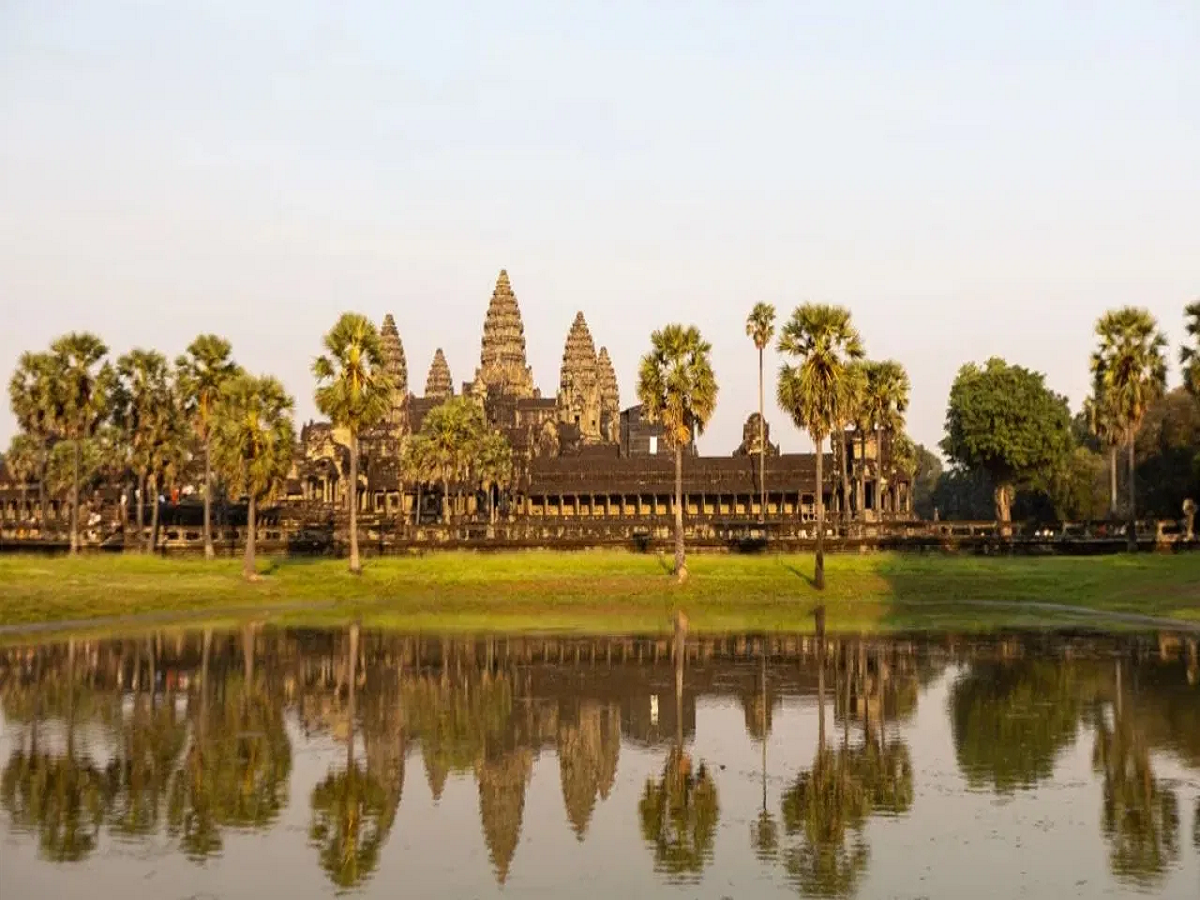
Cambodia is home to one of the most magnificent historical landmarks in the world. More than 800 years old, Angkor Wat is recognised as the world's largest religious monument and attracts millions of visitors with its extraordinary architecture, historical significance and impressive scale.
Located in Siem Reap Province, Cambodia, this iconic monument covers an area of approximately 162.6 hectares. Its towering structures, elaborate stone carvings and extensive galleries offer a glimpse into the glorious history of the Khmer Empire. From its remarkable architecture to its religious importance, Angkor Wat has plenty to fascinate history enthusiasts and travellers. Let's explore what makes this destination so special.
Angkor Wat: A Monument With a Glorious History
Angkor Wat was constructed in the early 12th century under the reign of King Suryavarman II of the Khmer Empire. Originally dedicated to Lord Vishnu, the temple served as the king's state temple and reflected the religious beliefs and architectural achievements of that period.
Towards the end of the 12th century, the temple gradually became an important centre of Buddhist worship. Unlike several other ancient structures in the region, Angkor Wat has continued to serve as a religious site over the centuries.
It is also important to distinguish Angkor Wat from the larger Angkor Archaeological Park, which covers approximately 400 square kilometres. The park contains numerous temples, monuments and remains of the ancient Khmer capital.
What Makes Angkor Wat's Architecture Unique?
One of the most striking features of Angkor Wat is its five distinctive towers. Their design represents Mount Meru, which is considered the mythical home of the gods in Hindu mythology. The tallest central tower is surrounded by four smaller towers, creating the monument's famous architectural silhouette.
The temple is surrounded by a massive moat and an outer wall. Inside, visitors can explore three galleries arranged at different levels, connected through corridors, courtyards and stairways.
The combination of intricate construction, symmetrical design and religious symbolism makes Angkor Wat one of the finest examples of Khmer architecture.
What Can Tourists Explore at Angkor Wat?
There is much more to discover here than its famous five towers. The temple's long galleries feature detailed stone carvings depicting scenes from Hindu mythology, epic stories and historical events.
Visitors can also admire numerous carved female figures known as devatas, which decorate the temple walls. These sculptures showcase the artistic skills of craftsmen from the Khmer period.
Another interesting feature is the temple's west-facing entrance. Most traditional Hindu temples face east, making Angkor Wat's western orientation particularly unusual. Historians and researchers have discussed several possible explanations for this distinctive architectural choice.
The surrounding moat adds to the monument's visual appeal and highlights the remarkable planning involved in its construction.
How to Reach Angkor Wat in Cambodia?
Angkor Wat is located near Siem Reap, a popular tourist city in northern Cambodia. The city serves as the main base for travellers visiting the Angkor Archaeological Park.
Travellers can reach Siem Reap by air through Siem Reap Angkor International Airport. From the airport, taxis and pre-arranged vehicles are available to reach hotels in the city.
Once in Siem Reap, visitors can travel to Angkor Wat using different transport options:
-
Taxi: A convenient option for travellers who prefer a comfortable journey.
-
Tuk-tuk: A popular local transport option for exploring Angkor Wat and nearby temples.
-
Guided Tours: Travellers can book organised tours that include transportation and visits to important historical attractions.
A visit to Angkor Wat offers much more than an opportunity to see an ancient monument. It is a chance to experience Cambodia's religious heritage, architectural brilliance and fascinating history in one extraordinary destination.