LIFESTYLE
Boiling Eggs Without Cracking Them Is Easy! Add This One Kitchen Ingredient for Easier Peeling
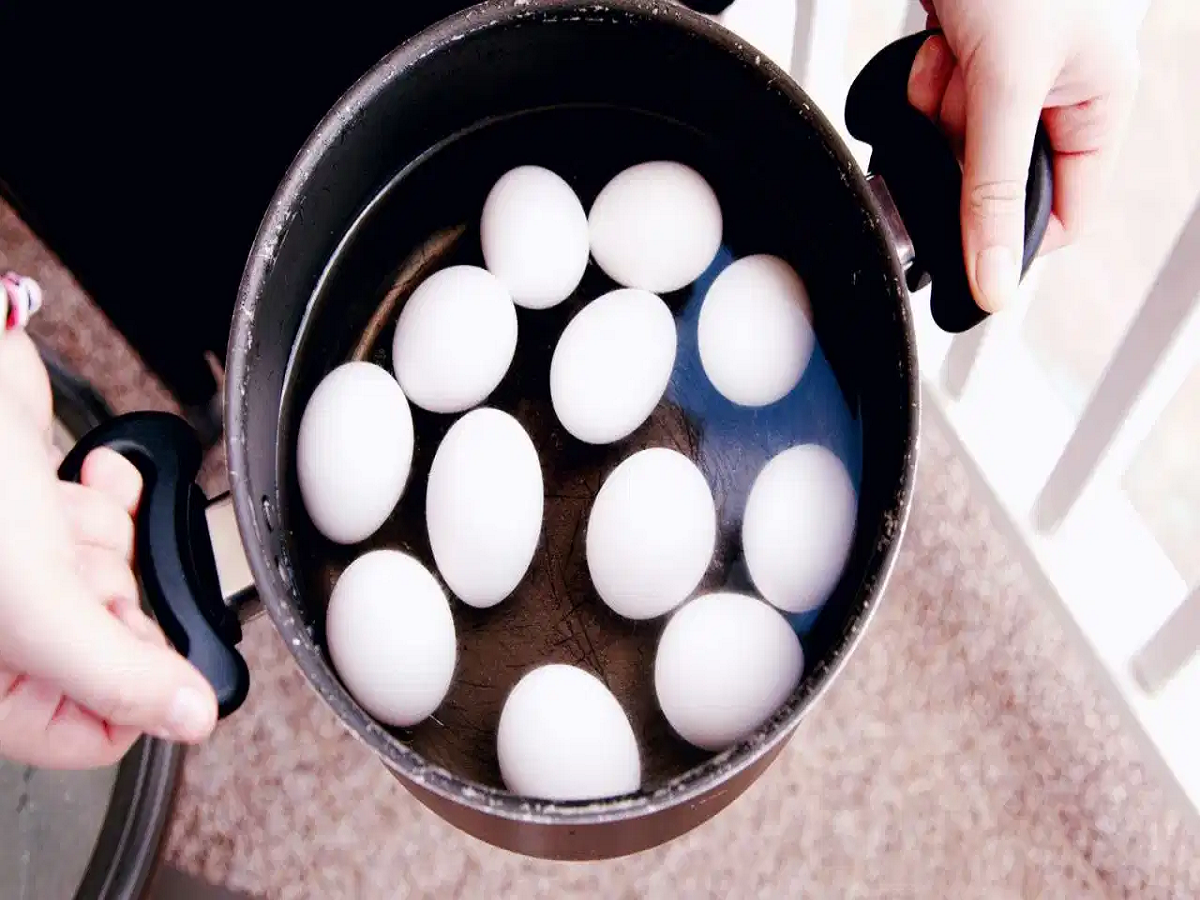
Boiled eggs are a popular breakfast choice for people looking for a nutritious and protein-rich meal. However, boiling eggs perfectly is not always easy. Sometimes, the shells crack during cooking, allowing the egg white to leak into the water. In other cases, the shell sticks stubbornly to the egg, making peeling a frustrating task.
Interestingly, a simple kitchen ingredient like lemon juice is often used as a trick while boiling eggs. Adding around half a teaspoon of lemon juice to the water may help reduce the mess if an eggshell cracks. But there are a few other precautions that can make boiling and peeling eggs much easier.
Why Do Eggs Crack While Boiling?
Eggshells may look strong, but they are actually quite delicate. When an egg is heated, the air pocket inside it expands. If the shell already has a tiny crack or is exposed to sudden temperature changes, it may break during cooking.
Once the shell cracks, some of the egg white can escape into the boiling water. This affects the appearance of the boiled egg and makes it less appealing.
Adding a little lemon juice to the water is a commonly used kitchen trick. Its acidity can help the escaped egg white coagulate more quickly if a crack develops, reducing leakage. However, lemon juice does not guarantee that eggshells will remain unbroken.
Does Lemon Juice Make Eggs Easier to Peel?
Many people believe that adding lemon juice automatically makes eggshells easier to remove. However, there is limited scientific evidence that lemon juice itself significantly improves peeling.
A more reliable method is to transfer the eggs into cold or ice water immediately after boiling. This stops the cooking process and can help create a small separation between the egg white and the shell, making peeling more convenient.
Will Adding Lemon Juice Change the Taste of Boiled Eggs?
You do not need to worry much about the taste. A small quantity of lemon juice added to the boiling water generally does not change the natural flavour of the egg.
The eggshell acts as a protective barrier, so the lemon juice does not normally reach the inside of an intact egg in any significant amount.
Keep These Tips in Mind While Boiling Eggs
1. Avoid Sudden Temperature Changes: If you take eggs directly from the refrigerator, handle them carefully. Sudden temperature changes can increase the chances of cracking. Avoid placing cold eggs carelessly into rapidly boiling water.
2. Control the Heat: Avoid excessively vigorous boiling. Maintaining a gentle boil or simmer reduces unnecessary movement and the chances of eggs knocking against each other or the cooking vessel.
3. Use Cold Water After Boiling: Once the eggs are cooked, transfer them immediately into a bowl of cold or ice water. This stops further cooking and makes peeling easier.
4. Choose Eggs That Are a Few Days Old: Very fresh eggs can sometimes be harder to peel after boiling. Eggs that have been stored for a few days often peel more easily.
5. Peel Carefully: Gently tap the egg on a hard surface to create small cracks across the shell. Rolling it lightly can help loosen the shell before removing it under running water.
By following these simple tips, you can prepare neatly boiled eggs without unnecessary mess. A little attention to cooking temperature and cooling technique can make your daily breakfast routine much easier.