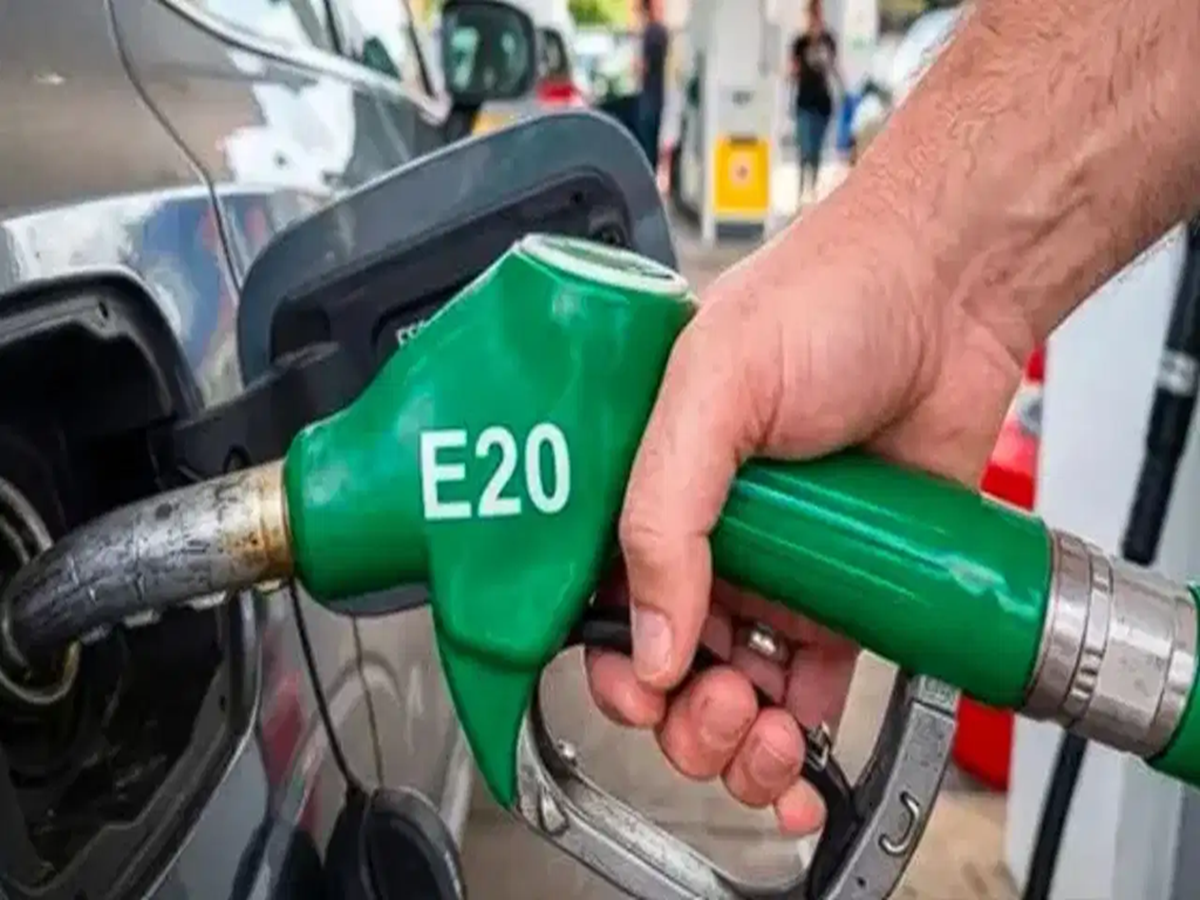
The debate around E-20 petrol and fuel quality has raised concerns among vehicle owners. While manufacturers have highlighted the importance of using fuel that is compatible with E-20 standards, questions remain about what consumers should do if they suspect fuel adulteration or face vehicle issues after refueling.
E-20 petrol contains 20% ethanol blended with petrol, and vehicles designed for this fuel are expected to handle the mixture. However, if any contamination or adulteration occurs, consumers often find themselves confused about where to seek help.
Who Is Responsible for Adulterated Fuel?
Consumer experts point out that if E-20 fuel is being supplied according to government standards but adulteration is still found, the main point of concern is the fuel supply chain, especially petrol pumps.
According to consumer advocate Satyam Singh, earlier annual reports were released covering issues such as fuel adulteration and service deficiencies at petrol pumps. However, monitoring has now shifted toward technology-based systems, including:
- GPS tracking of fuel tankers
- Online automation systems at petrol pumps
- Surprise inspections
- Fuel quality checks through mobile laboratories
Oil companies maintain that these systems help prevent adulteration, while vehicle manufacturers generally state that damage caused by contaminated fuel may not be covered under warranty.
What Should Consumers Do If They Suspect Bad Fuel?
If a customer believes petrol quality is poor, they can take certain steps at the petrol pump itself.
1. Ask for a Filter Paper Test
Customers can request a filter paper test at petrol pumps. This test helps identify possible impurities in petrol and is provided free of cost at fuel stations.
2. Check Fuel Density
Petrol pumps display fuel density details. Customers can also request a density check using the available measuring equipment, including a hydrometer and thermometer.
3. File a Complaint
If irregularities are found, customers can register a complaint with:
- The concerned oil company
- The state Food and Supplies Department
Authorities may investigate the matter, and action can be taken against the petrol pump if violations are confirmed.
How Are Petrol Pumps Monitored?
Fuel quality monitoring involves several measures:
GPS Tracking:
Fuel tankers are monitored to prevent theft or tampering during transportation.
Automation Systems:
Digital systems track fuel stock levels and detect unusual differences between supplied and sold quantities.
Surprise Inspections:
Quality Assurance Cells and mobile testing laboratories conduct random fuel sampling at petrol pumps.
Experts Call for Clear Guidelines
Consumer experts believe that confusion between fuel standards, vehicle compatibility, and possible adulteration needs to be addressed clearly. They argue that consumers should not be left uncertain about whether a vehicle problem is caused by fuel quality, vehicle design, or maintenance issues.
Until clearer accountability is established, vehicle owners should purchase fuel only from authorized petrol pumps, keep fuel bills safely, follow manufacturer recommendations, and report any suspected fuel quality issue through official complaint channels.